10 Fresh Synonyms to Describe Business Collaboration
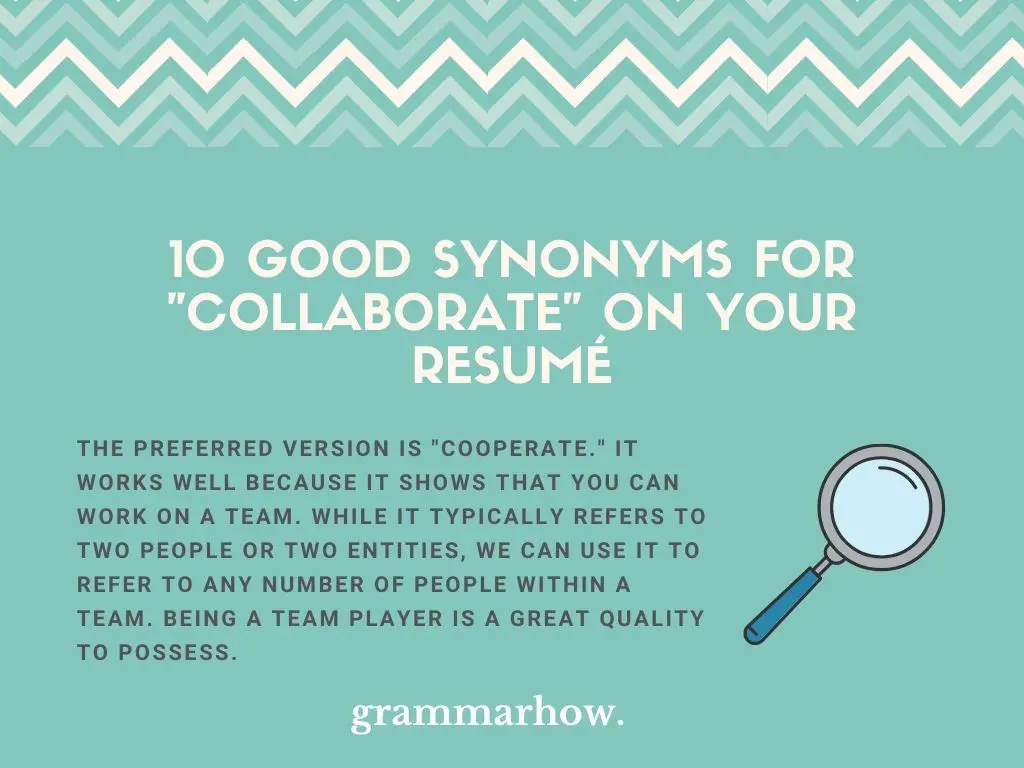
When you talk about teams joining forces, the phrase “business collaboration” can start to feel stale after a few meetings. Swapping it for a more vivid term not only spices up your pitch decks, but also signals a nuanced understanding of how companies can work together. Below, we explore a handful of interchangeable expressions that capture the same spirit of cooperation while adding a dash of precision.
Why Vary Your Vocabulary for Business Collaboration?
Language shapes perception. A client hearing “strategic partnership” may envision a long‑term, mutually beneficial relationship, whereas “joint venture” suggests a shared investment and risk. By choosing the right synonym, you subtly guide expectations, clarify the depth of engagement, and keep your communications from sounding repetitive.
Moreover, different industries have their own jargon. What a tech startup calls a “co‑creation effort,” a manufacturing firm might label a “supply‑chain alliance.” Understanding these nuances helps you meet stakeholders where they are, and it demonstrates that you’re attuned to the specific dynamics of each collaboration.
Top Synonyms and When to Use Them
- Strategic Partnership – Ideal for long‑term alliances where each party contributes core capabilities toward a shared vision.
- Joint Venture – Best when two firms create a separate legal entity to pursue a specific project or market.
- Co‑Creation – Fits scenarios where partners actively design products or services together, especially in R&D.
- Alliance – A flexible term that can cover anything from marketing coalitions to technology integrations.
- Consortium – Often used for large‑scale, multi‑company efforts such as research grants or industry standards bodies.
- Co‑operating Agreement – A more formal phrase suitable for legal documents outlining shared responsibilities.
- Synergistic Partnership – Highlights the added value that emerges when strengths are combined.
- Collaborative Network – Describes a loosely connected group of firms that share resources without a central hierarchy.
- Co‑development Initiative – Perfect for tech or biotech projects where two parties jointly build a solution.
- Cross‑functional Teaming – Refers to internal collaboration across departments, but can also apply to external partners in a multi‑disciplinary effort.
Each synonym carries its own connotations, so swapping them in without thought can backfire. For instance, calling a one‑off marketing campaign a “joint venture” would likely raise eyebrows, while labeling a multi‑year R&D effort as merely a “partnership” might underplay the commitment involved.
Choosing the Right Term for Your Audience
Start by asking three simple questions: Who is the audience? What is the scope of the work? And how formal does the language need to be? A venture capital pitch deck, for example, benefits from the gravitas of “strategic partnership,” whereas an internal newsletter might prefer the friendly tone of “collaborative network.”
Don’t forget cultural context either. In some regions, “alliance” can imply a government‑backed arrangement, while “co‑creation” resonates strongly in design‑centric markets like Scandinavia. Tailoring your phrasing to regional expectations can make the difference between a proposal that feels bespoke and one that feels generic.
Practical Tips for Integrating New Synonyms
- Audit your existing documents. Highlight every instance of “business collaboration” and replace it with the most fitting alternative.
- Maintain a style guide. List approved synonyms and the contexts in which each should appear.
- Test with stakeholders. Run a short survey to see which terms resonate most with partners and clients.
- Use synonyms sparingly. Overloading a single paragraph with too many variations can confuse rather than clarify.
These steps keep your language fresh without sacrificing clarity. When the right term lands in the right place, it reinforces the partnership’s purpose and builds credibility.
Beyond Words: The Real Impact of Effective Collaboration Language
Choosing a synonym is more than a linguistic exercise; it reflects strategic intent. A “strategic partnership” signals a willingness to align roadmaps and share risk, often leading to deeper integration of resources. Meanwhile, a “co‑creation” label invites partners to contribute ideas early on, fostering a culture of innovation that can accelerate time‑to‑market.
In practice, companies that articulate their collaborative approach with precision tend to experience smoother negotiations, clearer governance structures, and higher satisfaction among stakeholders. The terminology becomes a shorthand for expectations, helping everyone stay on the same page from day one.
FAQ
What’s the difference between a partnership and an alliance?
A partnership usually implies a formal, often contractual relationship with defined responsibilities, while an alliance can be more informal, focusing on shared goals without a strict legal framework.
When should I use “joint venture” instead of “strategic partnership”?
Opt for “joint venture” when the collaboration involves creating a separate legal entity or significant financial investment from both sides; “strategic partnership” works better for broader, less formal collaborations.
Can “co‑creation” be applied outside product development?
Absolutely. It’s increasingly used in marketing, service design, and even policy‑making, wherever parties actively shape outcomes together.
How do I decide which synonym fits a short‑term project?
For limited‑duration initiatives, “collaborative network” or “co‑operating agreement” often convey the temporary, flexible nature without implying long‑term commitment.