2002 Ford Focus Alternator Fix: Troubleshooting & Replacement
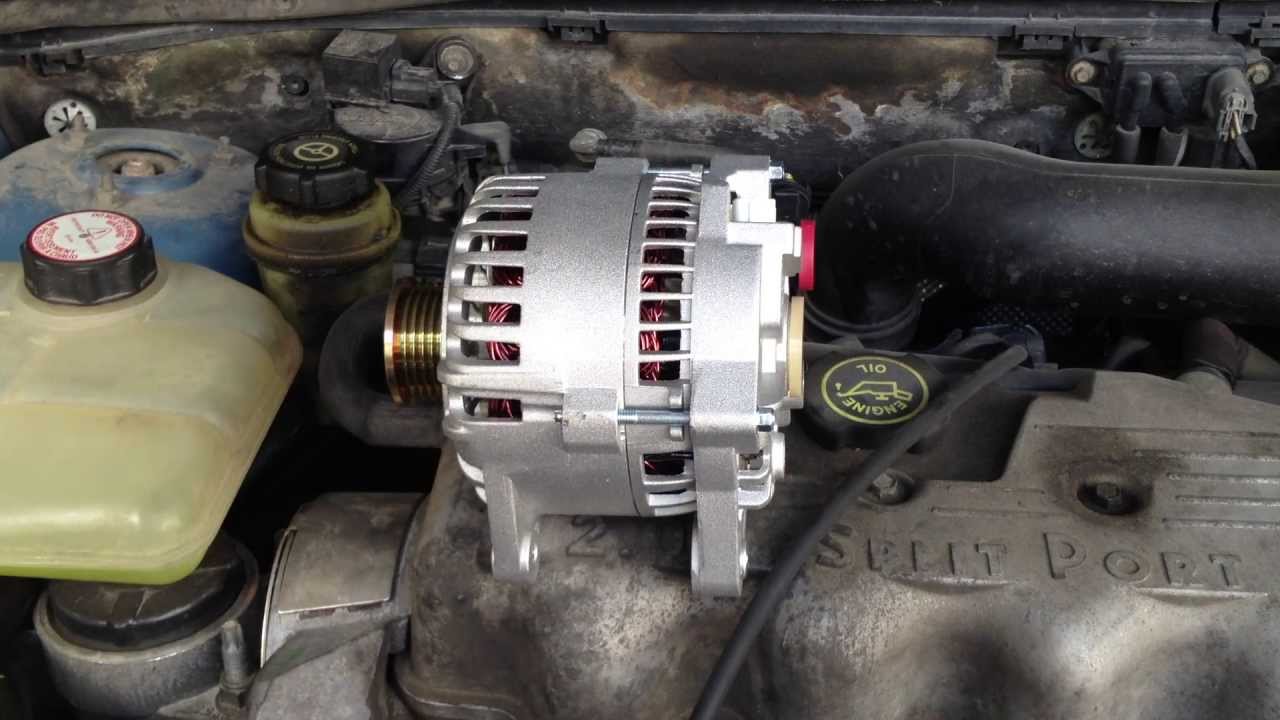
If your 2002 Ford Focus is making whining noises or the dashboard lights flicker, the alternator might be the culprit. The alternator keeps your battery charged and powers the electrical system while the engine runs. A failing unit can lead to a dead battery, engine stalling, and costly repairs if ignored. Below is a practical, step‑by‑step guide to diagnosing, testing, and replacing the alternator on a 2002 Ford Focus.
Common Symptoms That Signal an Alternator Problem
- Dim or flickering headlights and interior lights
- Dashboard warning light for the battery or charging system turns on
- Battery warning light stays on after you start the engine
- Engine stalls or struggles to start in the cold
- Unusual whining or grinding noises coming from the engine bay
- Dead battery after a short drive, even if the battery was in good shape
When you notice one or more of these signs, it’s time to rule out the alternator as the source.
Step 1: Inspect the Battery and Connections
The alternator works in concert with the battery. A corroded battery terminal or a weak battery can mimic alternator failure. Start by removing the battery cover and checking the terminals for corrosion or loose connections. Clean the terminals with a wire brush and tighten the clamps to the manufacturer’s torque (usually 25–30 ft‑lb for most Ford batteries). If the battery is older than three years, consider testing it with a multimeter or having it tested at an auto shop.
Step 2: Verify the Belt Condition
The alternator’s belt is a common point of failure. Look for cracks, fraying, or glazing. A worn belt can slip, causing the alternator to spin too slowly and produce insufficient voltage. If the belt looks compromised, replace it with a new one that matches the original pulley specifications.
Step 3: Measure the Alternator’s Output
With the engine running, use a multimeter set to DC voltage. Connect the positive probe to the battery’s positive terminal and the negative probe to the negative terminal. A healthy alternator should keep the battery voltage between 13.5 V and 14.5 V. If the reading is below 13.5 V, the alternator isn’t charging adequately. If it’s above 15 V, the regulator may be overcharging.
Additional Checks
- Turn on all electrical accessories (headlights, radio, air conditioning). The voltage should remain stable.
- Remove the negative battery cable while the engine is off and reattach it. If the engine stalls, the alternator may be underpowered.
Step 4: Identify Common Internal Causes
Even with a good belt and battery, the alternator can fail internally. Typical issues include:
- Burnt or broken diode bridge
- Faulty voltage regulator
- Loose or broken bearing bushings
- Worn output shaft bearings leading to excessive vibration
These problems often present as a loss of voltage, a noisy alternator, or a sudden drop in battery charge.
Choosing a Replacement Alternator
The 2002 Ford Focus typically uses an alternator model 1J-1527 or a compatible OEM replacement. When shopping, verify:
- Voltage rating (usually 12 V)
- Current output (often 75 A for the 1.6‑liter engines)
- Physical dimensions match the mounting flange
- Alligator clips or a harness plug that match the original wiring
Aftermarket options from reputable brands can be a cost‑effective alternative, but ensure they meet or exceed OEM specifications.
Replacement Procedure
Before you start, gather basic tools: a socket set, a ratchet, a torque wrench, and a replacement alternator. If you’re unfamiliar with automotive electrical work, consider consulting a professional.
- Disconnect the Battery: Remove the negative (-) terminal first to avoid accidental shorting.
- Remove the Alternator Belt: Use a wrench to loosen the tensioner bolt, slide the belt off the pulleys, and set it aside.
- Unbolt the Alternator: There are typically two mounting bolts on the side of the alternator. Remove them carefully.
- Detach Wiring Harnesses: Locate the alternator’s main connector and any auxiliary plugs (often a 12‑pin harness). Gently pull the tabs to release.
- Install the New Unit: Position the replacement alternator, secure it with the bolts, and reconnect the harnesses.
- Reinstall the Belt: Slide the belt back over the pulleys, then use the tensioner to re‑apply proper tension. A good rule of thumb is that the belt should not sag more than a quarter inch at the lowest point.
- Reconnect the Battery: Tighten the negative terminal first, then the positive. Torque the bolts to the recommended spec (around 25–30 ft‑lb for most Ford alternators).
- Test the System: Start the engine and check the voltage with a multimeter. The reading should fall within the 13.5 V‑14.5 V range. Verify that all accessories function correctly.
Keep the engine running for at least 5 minutes to allow the new alternator to reach operating temperature and charge the battery fully.
Maintenance Tips to Extend Alternator Life
- Regularly inspect belts for wear and replace them every 60,000 mi or if visibly cracked.
- Keep the alternator and its housing clean; dust can cause overheating.
- Check the battery terminals at least twice a year for corrosion.
- If you experience frequent battery drain,