2017 Nissan Maxima Review: Does It Still Hold Up?
First impressions and overall positioning
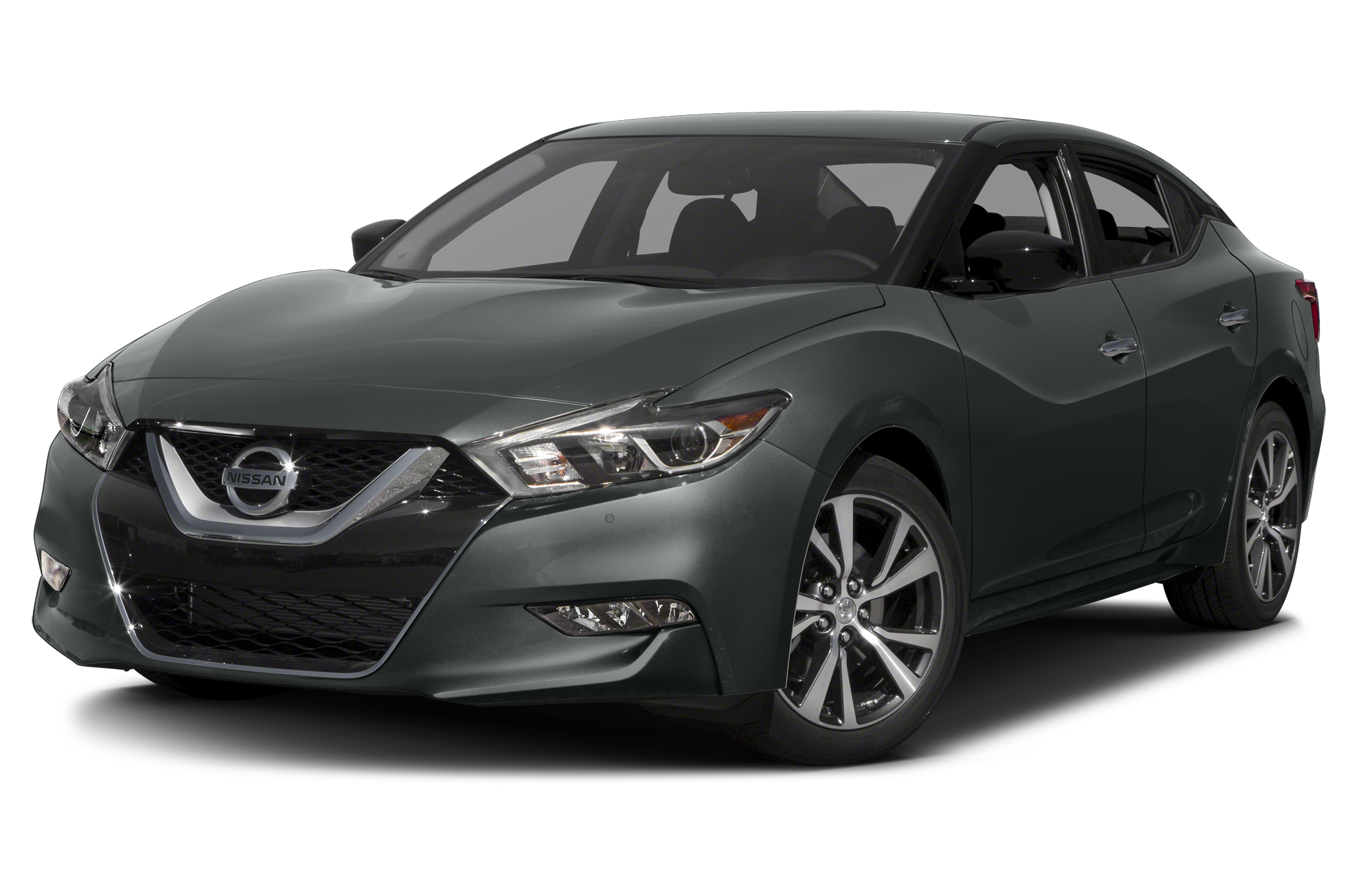
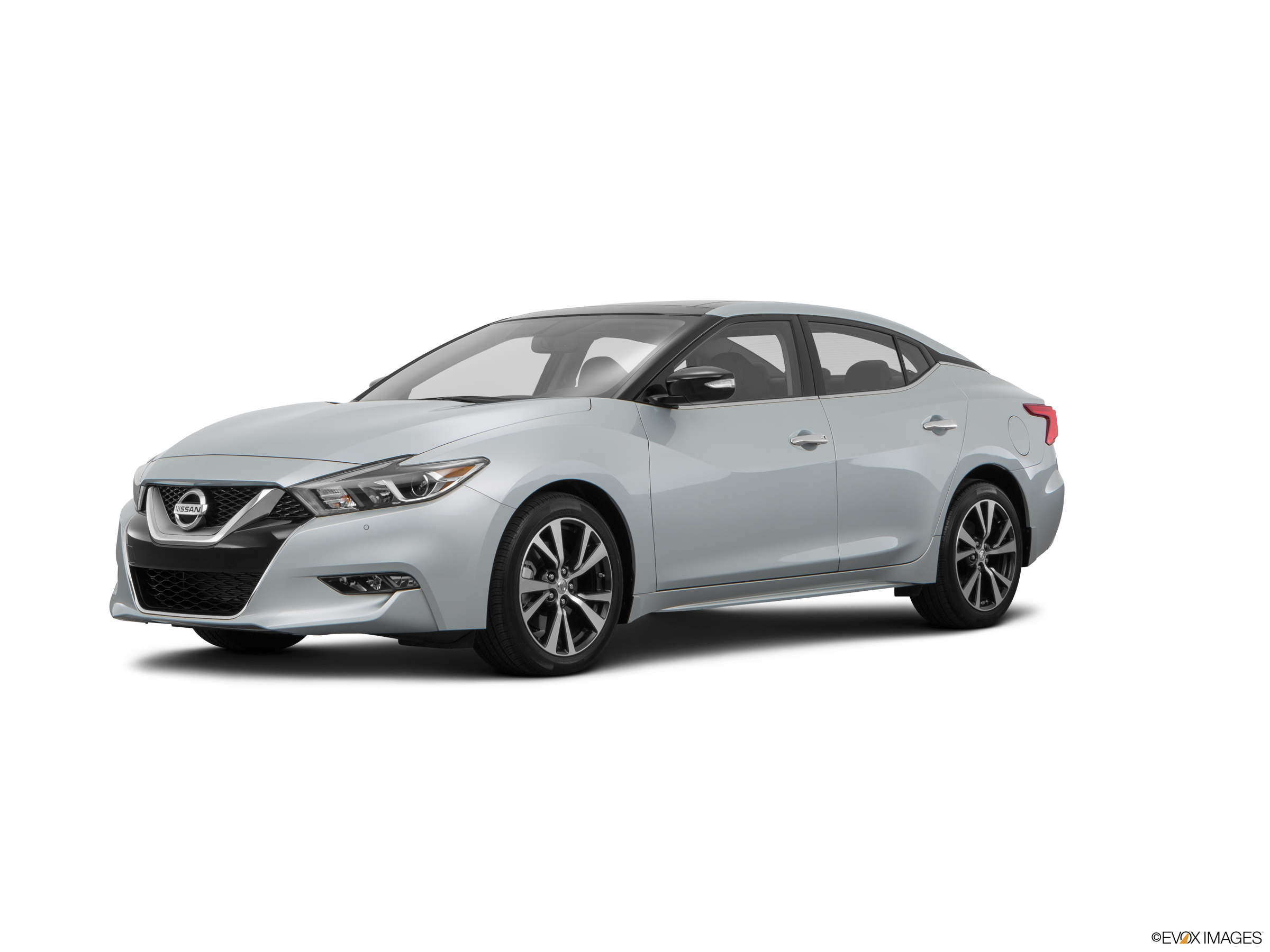
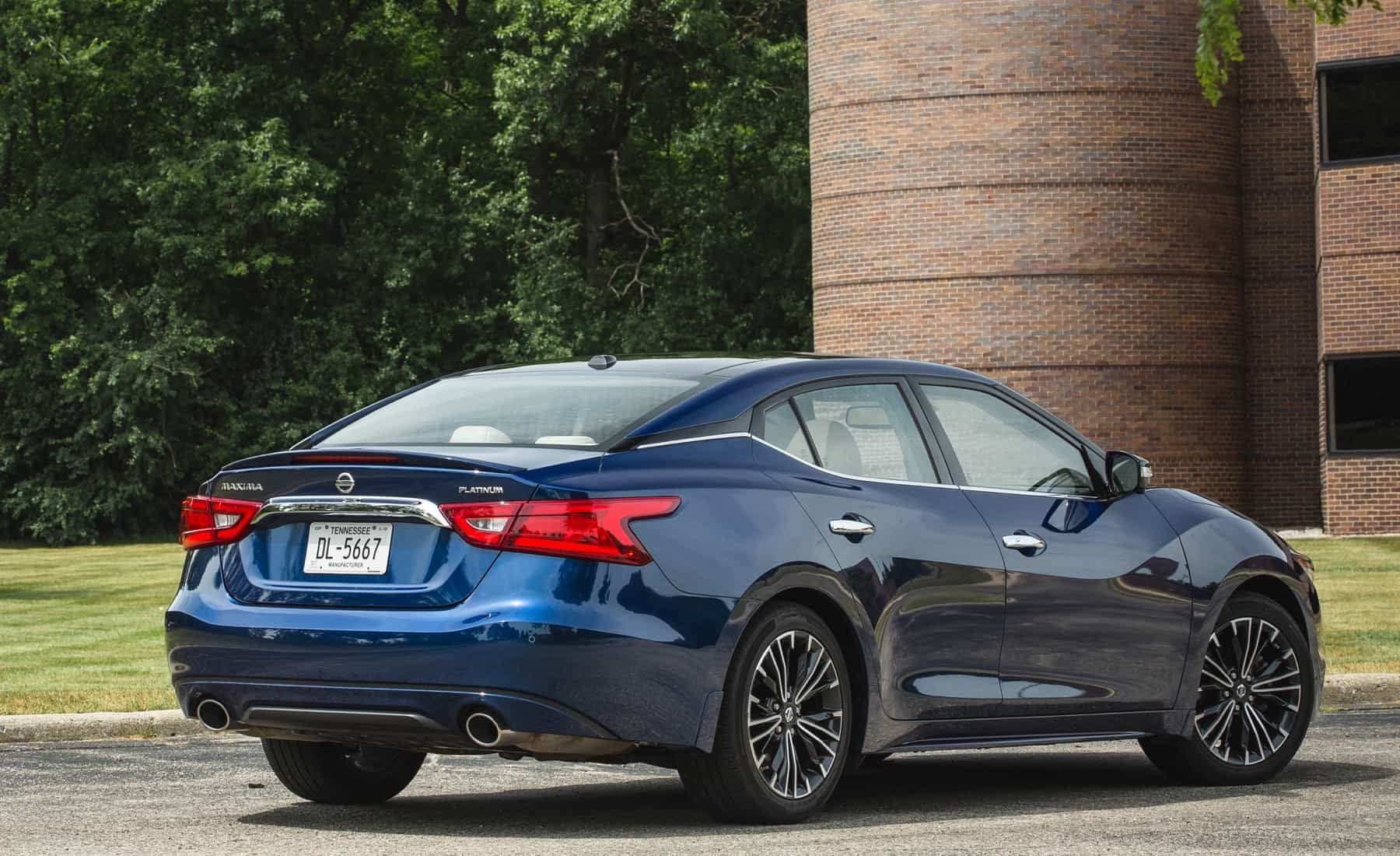
The 2017 Nissan Maxima sits in a niche that’s often called “the sports sedan without a badge.” It aims to blend the comfort of a full‑size family car with the punch of a performance hatchback. With a sleek, coupe‑like silhouette and a 300‑horsepower V6 under the hood, the Maxima was Nissan’s answer to the likes of the Acura TLX and the Kia Stinger. For buyers still hunting a pre‑owned model in 2024, the key question is whether the 2017 iteration still feels fresh enough to be considered a good car.
Performance and driving dynamics
Under the bonnet sits a 3.5‑liter V6 that delivers roughly 300 hp and 267 lb‑ft of torque. Paired with Nissan’s Xtronic CVT, the powerband feels linear enough for everyday cruising, while the sport‑mode button sharpens the shift points for a more engaging feel. Acceleration from 0‑60 mph typically lands in the low‑seven‑second range, which isn’t blisteringly fast but certainly respectable for a front‑wheel‑drive sedan of its size.
What sets the Maxima apart is its chassis tuning. Nissan tuned the suspension to be a touch stiffer than the Altima, giving the car a planted sensation on highway bends. Steering is light yet provides decent feedback, making lane changes feel confident without demanding a lot of effort. The overall ride strikes a balance: firm enough to keep body roll in check, but compliant enough that potholes don’t feel brutal.
Interior quality and technology
Inside, the 2017 Maxima feels more upscale than its price tag suggests. Soft‑touch plastics, leather‑trimmed seats, and a low‑profile dashboard give the cabin a near‑luxury vibe. The front seats are supportive, with power adjustments and heating available on most trims. Rear‑seat space is adequate for adults, though headroom can be tight for taller passengers due to the sloping roofline.
On the tech side, Nissan introduced the updated NissanConnect infotainment system with a 7‑inch touchscreen, Apple CarPlay, and Android Auto. While the interface isn’t as slick as some newer rivals, it’s intuitive enough for most users. A digital gauge cluster (available on higher trims) adds a modern touch, and the optional Bose audio system delivers clear, punchy sound.
Safety features and reliability
2017 was the first year Nissan bundled its Safety Shield 360 suite as standard on most Maxima trims. The package includes automatic emergency braking, blind‑spot monitoring, rear cross‑traffic alert, lane‑departure warning, and high‑beam assist. In crash tests conducted by the IIHS, the Maxima earned a “Good” rating for most categories, though the small overlap front test was marked “Marginal,” a nuance that buyers should keep in mind.
When it comes to reliability, the Maxima enjoys a solid reputation. Many owners report trouble‑free mileage well beyond 80,000 miles. However, the CVT has been a point of concern for some, with occasional reports of shuddering or delayed engagement. Regular fluid changes and staying on recommended service intervals generally mitigate these issues.
Ownership costs and fuel economy
Fuel consumption for the 2017 Maxima averages around 21 mpg city and 30 mpg highway, which is reasonable for a V6‑powered sedan. Insurance premiums tend to be moderate, reflecting its classification as a midsize vehicle rather than a true luxury car. Parts and labor are widely available, keeping routine maintenance costs in line with other Japanese brands.
Resale value holds up decently, especially for well‑maintained examples with low mileage. Because the Maxima isn’t as common as the Altima or Sentra, its used‑car market can be a bit niche, but that also means less competition and potentially better deals for savvy shoppers.
Pros and cons at a glance
- Pros: Strong V6 power, refined interior, good handling balance, standard advanced safety tech.
- Cons: CVT may require attentive maintenance, infotainment system feels dated compared to 2020‑plus rivals, rear‑seat headroom limited.
Is the 2017 Nissan Maxima a good choice today?
If you value a comfortable ride, a V6 engine, and a dash of sportiness without stepping into the premium‑brand price bracket, the 2017 Maxima still holds appeal. Its blend of performance and everyday practicality makes it a solid contender in the used‑car market. The main caveats are the CVT’s reputation—choose a model with a documented service history—and the fact that newer competitors now offer more refined infotainment and optional all‑wheel drive.
In short, for drivers who appreciate a sedan that feels a little more spirited than a typical family wagon, and who are willing to keep up with regular maintenance, the 2017 Nissan Maxima can be considered a good car.
Frequently Asked Questions
How reliable is the 2017 Nissan Maxima?
Overall reliability is above average for its class. Most owners report few major issues, though the CVT is the component most frequently mentioned for occasional wear.
What is the fuel economy for the 2017 Maxima?
The EPA rates it at roughly 21 mpg in the city and 30 mpg on the highway for the front‑wheel‑drive V6 model.
Does the 2017 Maxima come with all‑wheel drive?
No. The 2017 Maxima is offered only with front‑wheel drive. If AWD is a priority, you’d need to look at other midsize models from Nissan or competing brands.
Is the infotainment system easy to use?
The NissanConnect system is functional but not as polished as newer platforms. It supports Apple CarPlay and Android Auto, which helps bridge the gap for modern smartphone integration.