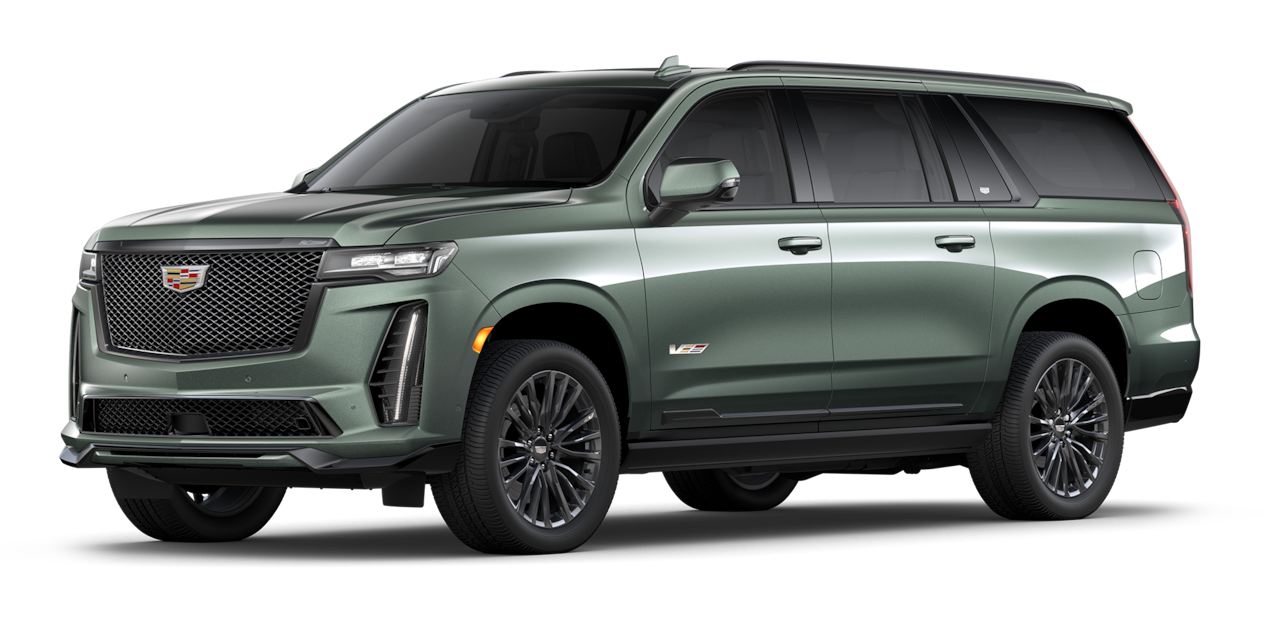
2024 Plug‑In Hybrid SUVs With 7 Seats: The Ultimate Guide
Why a Plug‑In Hybrid SUV Might Be Your Best Family Ride
If you’ve been hunting for a vehicle that can carry the whole clan, sip a little electricity, and still haul a load of groceries, the niche of 2024 plug‑in hybrid SUVs with seven seats deserves a closer look. These models blend a gasoline engine with a sizable battery, letting you zip around town on pure electric power for short trips while preserving the confidence of a traditional engine for longer hauls. The result? Lower fuel bills, a smaller carbon footprint, and the flexibility to charge at home or at a public fast‑charger.
Beyond the eco‑benefits, a seven‑seat layout means you won’t have to compromise on passenger space when the crew grows. Sliding second‑row benches, captain‑style captain seats, and clever fold‑flat configurations keep cargo room usable even when all seats are occupied.
Top Seven‑Seat Plug‑In Hybrid SUVs for 2024
Reality check: the market isn’t flooded with options. As of early 2024, only a few manufacturers have managed to pair a true plug‑in system with a three‑row cabin. Below are the models that actually meet the criteria, plus a couple of near‑misses worth watching.
Volvo XC90 Recharge
- Powertrain: 2.0‑L turbo‑charged and supercharged four‑cylinder paired with a 11.6‑kWh lithium‑ion battery.
- Electric‑only range: Approximately 18‑20 miles under EPA estimates.
- Total system output: Around 400 horsepower, giving a composed but brisk feel.
- Price range: Starts near $63,000 for the base trim, climbing toward $70,000 for higher trims.
- Why it stands out: Scandinavian minimalism, a refined interior, and a comprehensive safety suite make the XC90 Recharge a premium family SUV that doesn’t feel heavy on the wallet.
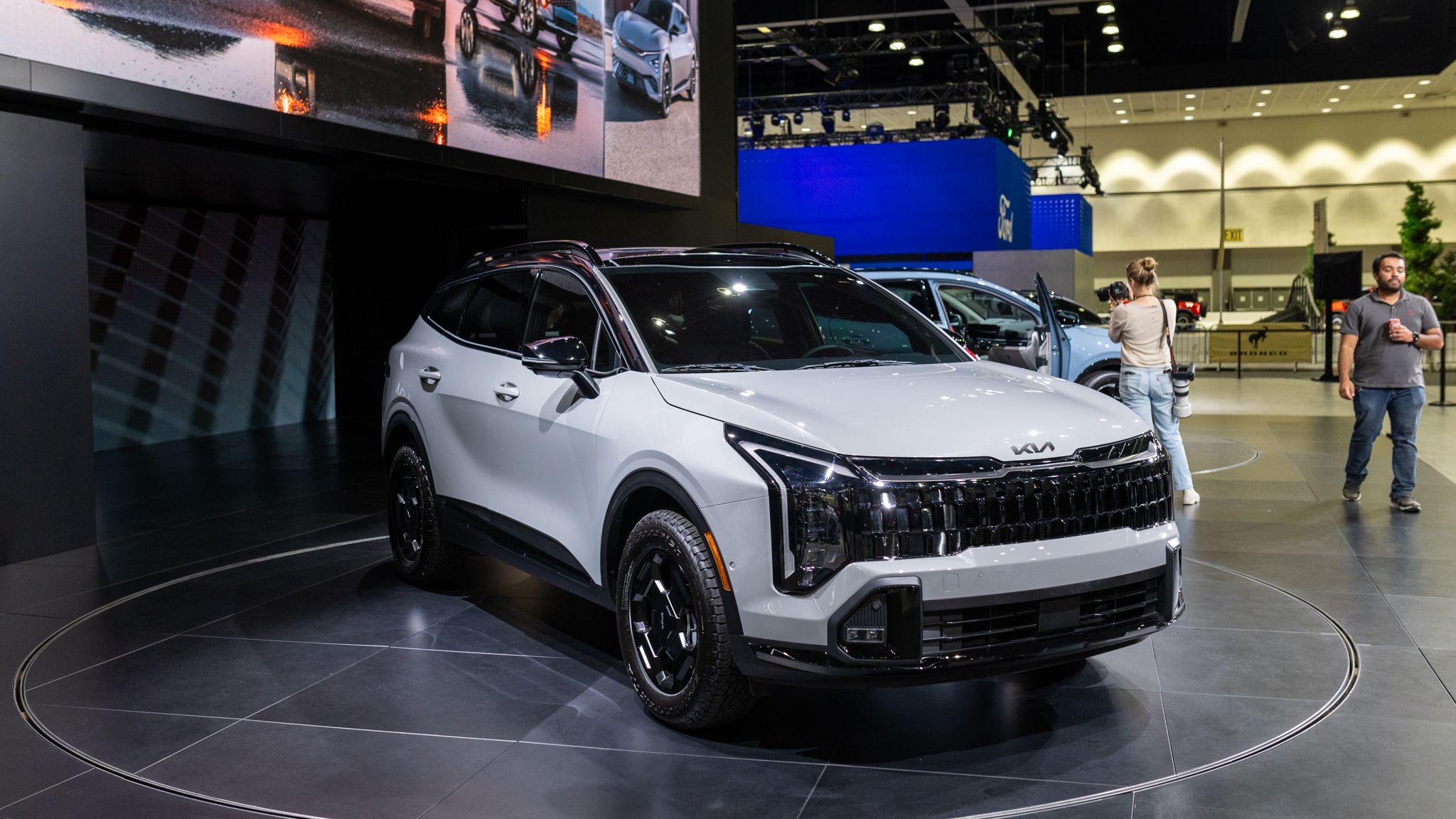
Kia Sorento Plug‑In Hybrid (anticipated launch)
- Powertrain: A 1.6‑L turbocharged four‑cylinder mated to a 13.8‑kWh battery, delivering roughly 260 horsepower.
- Electric‑only range: Early test units suggest 30‑plus miles, which would put it among the most capable in its class.
- Seating: Three‑row layout, optional second‑row captain seats for added comfort.
- Price expectation: Likely to sit between $45,000 and $55,000.
- Note: Kia has confirmed the Sorento will return as a plug‑in hybrid for the 2024 model year, but exact specifications may vary by market.
BMW X5 xDrive45e (five‑seat, but worth a mention)
While the X5’s plug‑in hybrid version only offers two rows, it’s included here for readers who might be willing to sacrifice a third row for a more luxurious feel. The 2024 X5 xDrive45e provides an electric‑only range of roughly 30 miles and a total output of 389 horsepower. Pricing starts near $66,000.
What’s Missing? Other Near‑Misses
Several well‑known SUVs offer hybrid or plug‑in variants, yet they fall short on the seating count. The 2024 Audi Q7 e‑tron, Jeep Grand Cherokee 4xe, and Ford Explorer Hybrid all stick to five seats. If you can stretch to a five‑seat cabin, those models deliver competitive electric ranges and pricing, but they won’t satisfy the seven‑seat requirement.
Key Considerations When Picking a Seven‑Seat PHEV
- Electric range vs. daily mileage: If your typical commute is under 20 miles, a model with a 15‑20‑mile electric range may let you drive mostly on electricity.
- Charging infrastructure: Installing a Level 2 home charger (240 V) can replenish the battery in about 2–4 hours, making day‑to‑day use seamless.
- Cargo versus passenger space: When all seats are occupied, payload capacity drops. Look for flat‑folding seats that keep the cargo floor low.
- Hybrid fuel‑economy ratings: The EPA’s combined MPG rating for the gasoline portion can vary dramatically; a higher rating means less fuel burned when the battery is depleted.
- Warranty coverage: Many automakers bundle the battery warranty with the powertrain, often covering 8 years or 100,000 miles – a crucial factor for family buyers.
How to Maximize the Benefits of Your Plug‑In Hybrid SUV
Owning a plug‑in hybrid is a little different from a conventional SUV. Here are a few habits that stretch the electric portion and keep your fuel costs low.
- Charge every night. Even a partial charge can cover most suburban trips.
- Plan trips around charging stops. For longer vacations, locate fast‑charging stations along your route; the extra cost is often balanced by reduced fuel consumption.
- Use regenerative braking wisely. Gentle deceleration maximizes energy recovery without sacrificing smoothness.
- Set the vehicle to electric‑only mode in city traffic. Most systems default to a blended mode, but you can manually prioritize electric drive when it makes sense.
Future Outlook: More Seven‑Seat PHEVs on the Horizon?
Industry analysts predict that as battery costs continue to drop, more automakers will expand their plug‑in lineups to include three‑row options. By 2025, we might see a plug‑in version of the Chevrolet Traverse or a larger version of the Hyundai Palisade hybrid. Keeping an eye on announcements from major U.S. and European manufacturers will be essential for early adopters.
FAQ
Q: Are there any tax incentives for buying a 2024 plug‑in hybrid SUV?
A: In the United States, the federal clean‑vehicle credit can apply up to $7,500, but eligibility depends on the vehicle’s battery size and the buyer’s income. Several states also offer additional rebates or reduced registration fees, so it’s worth checking local programs.
Q: How does a three‑row layout affect electric range?
A: Adding passenger weight reduces the electric‑only mileage slightly. Real‑world tests show a 5‑10% drop compared to a two‑row version, but the impact is usually modest if the vehicle isn’t fully loaded.
Q: Can I tow with a plug‑in hybrid SUV?
A: Yes, many models, including the Volvo XC90 Recharge, are rated for modest towing (up to 5,000 lb). However, towing in electric‑only mode isn’t recommended, as the battery drains faster and the gasoline engine will engage sooner.
Q: Is the interior space in a seven‑seat PHEV comparable to a conventional SUV?
A: Because the battery pack sits under the floor, floor height can be a bit higher, which may slightly reduce cargo height. Nevertheless, manufacturers design the cabin to preserve generous legroom, especially for the second row.