300W Solar Panel: Specs, Efficiency, and Real‑World Uses
When you think of solar power, a 300W panel often appears as the sweet spot for small installations. It balances cost, size, and output, making it a popular choice for cabins, RVs, and micro‑grid projects. In this guide we unpack its core specifications, dive into what efficiency really means, and explore the practical scenarios where a 300W panel shines.
Key Specs of a 300W Solar Panel
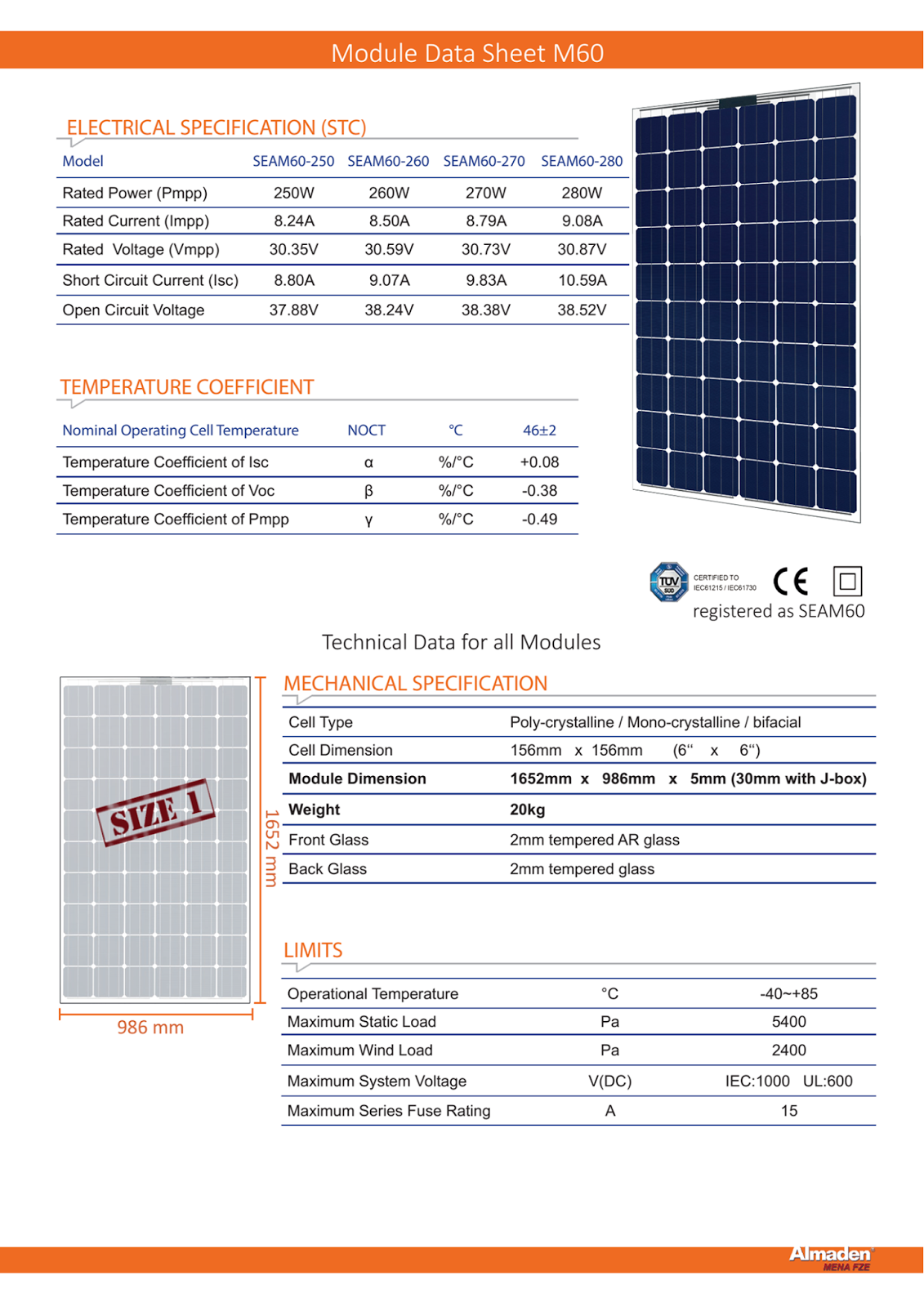
Most 300W panels fall into the crystalline silicon family, either monocrystalline or polycrystalline. Monocrystalline panels generally offer higher efficiency but carry a premium price, while polycrystalline panels are more affordable and still robust. Typical dimensions for a 300W module are around 1.7 m × 1 m, weighing 18–20 kg, which fits easily on most residential roofs or vehicle mounts.
The power rating of 300W is measured under Standard Test Conditions (STC): 1000 W/m² irradiance, 25 °C cell temperature, and air mass of 1.5. Real‑world output is usually 10–15% lower due to temperature, shading, or dust. A reliable warranty—usually 25–30 years for performance—provides confidence that the panel will continue delivering close to its rated power over time.
Important technical details include the open‑circuit voltage (Voc) of roughly 40 V and the maximum power voltage (Vmp) around 30 V. Current figures hover near 9.5 A at maximum power. These values guide the selection of inverters, charge controllers, and wiring to match the panel’s electrical profile.
How Efficiency Impacts Performance
Efficiency is the ratio of electrical energy produced to solar irradiance incident on the panel. For a 300W panel, efficiencies typically range from 17% to 20% for monocrystalline units and 15% to 18% for polycrystalline. A 20% efficient panel converts 600 W of sunlight into 120 W of electrical energy over a 1‑m² area.
Higher efficiency allows more power in less space, which is crucial when roof area is limited or when mounting on narrow vehicle decks. However, cost per watt often rises with efficiency, so you must balance upfront expense against the benefits of a compact design.
Efficiency is also temperature‑dependent: most panels have a temperature coefficient around –0.4% to –0.5% per °C. At 35 °C, a 20% efficient panel might drop to roughly 18.8% efficiency. Understanding this helps in site selection—shade, ventilation, and orientation all mitigate heat losses.
Practical Uses for 300W Panels
Home Backup: A single 300W panel can power critical loads—lights, a charger, or a small fridge—during a grid outage. Coupled with a 1000‑Ah battery bank, it can keep a tiny home running for several hours.
Off‑Grid Micro‑Grids: In remote villages, a cluster of 300W panels provides a steady supply for street lighting and community devices. The modular nature means you can scale up or down as needs grow.
RV and Mobile Power: The panel’s lightweight and compact size make it ideal for vans, boats, or camping trailers. When paired with a lithium battery and a portable inverter, it keeps appliances running without tethering to shore power.
Small Businesses: A 300W panel can run a shop’s lighting, a few point‑of‑sale terminals, or a small HVAC unit on an island or industrial site. The payback period often falls within two to three years, depending on electricity rates.
Case Studies: Small Installations
- Cabin Power: A 600W roof array—two 300W panels—provides enough juice for a 12‑V DC system. The cabin’s limited roof space necessitates a compact design, and the panels’ 20% efficiency ensures maximum output.
- Tiny House Starter Pack: One 300W panel, a 200Ah battery, and a 20A pure sine‑wave inverter power a tiny house for basic lighting, a small fridge, and a laptop charger. The setup stays within a $2,000 budget.
Choosing the Right Panel for Your Needs
Consider roof area and orientation first. A south‑facing roof in the northern hemisphere offers the best irradiance, maximizing the panel’s 300W potential. If you’re limited to a 90° angle, you’ll need more panels to match the desired output.
Next, evaluate your budget versus efficiency. Monocrystalline panels may cost 10–15% more but deliver higher wattage per square foot. Polycrystalline panels, while cheaper, require slightly more space for the same power output.
Finally, think about future expansion. A 300W panel is a good entry point; you can add additional panels later without changing inverters or controllers, as most modern systems support modular expansion.
Maintenance and Longevity
Cleaning is simple: a mild soap solution and a soft brush remove dust and bird droppings. Avoid high‑pressure washers, which can crack glass or damage the frame.
Shading is a silent killer. Even a few minutes of shadow per day can reduce output by 20% or more. Position panels to avoid trees, chimneys, or building overhangs, especially during peak hours.
Temperature and ventilation matter. Install panels with a small air gap behind the frame or mount them on a rafter with airflow to keep cell temperatures below 45 °C, preserving efficiency and extending lifespan.
Periodic inspections—every six months—help catch loose wires, corrosion, or connector damage.