A Deep Dive into Chapter 1 of the Communist Manifesto
Unpacking the Communist Manifesto’s first chapter reveals why Marx and Engels still spark debate over a century later. In this deep dive we’ll trace the historical backdrop, break down the famous “bourgeoisie‑proletariat” analysis, and ask what relevance the text holds for today’s readers. Whether you’re a student, activist, or simply curious, the goal is to make the dense 19th‑century prose feel less like a relic and more like a conversation you can join.
Why Chapter 1 Matters
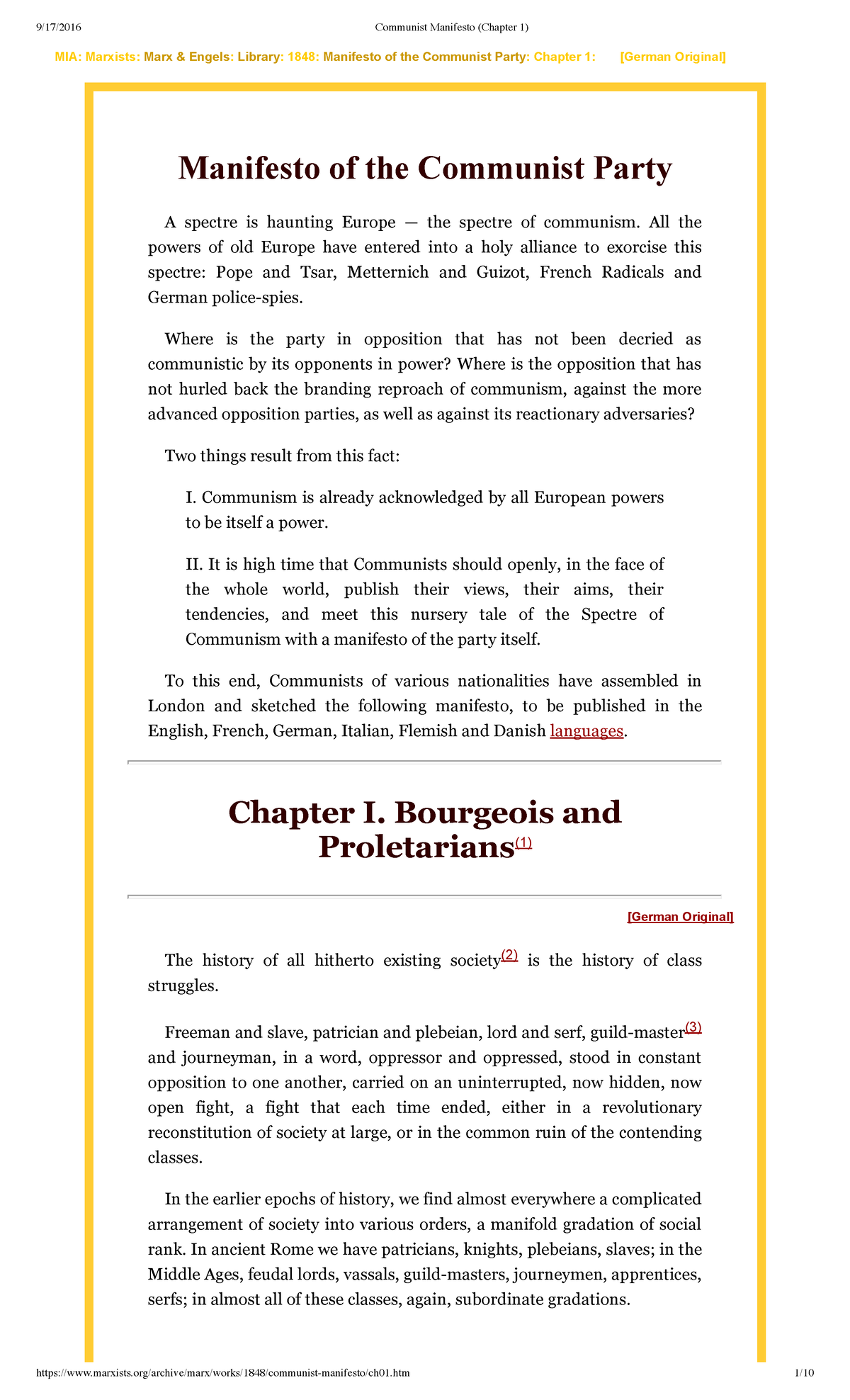
The opening section, titled “Bourgeois and Proletarians,” sets the stage for the whole manifesto. It isn’t just a historical snapshot; it’s a claim that the modern world is defined by a single, relentless class struggle. By framing capitalism as a system that constantly reshapes itself, Marx and Engels argue that the working class is destined to become the engine of revolutionary change.
This claim matters because it underpins every subsequent argument in the pamphlet—from the call for a “worldwide proletarian movement” to the call for abolishing private property. Understanding the logic of Chapter 1 helps readers see why later chapters feel like a natural extension rather than a collection of disconnected ideas.
The Historical Context: From Feudalism to Capitalism
When Marx and Engels wrote in 1848, Europe was in the throes of industrialization. The old feudal order—lords, serfs, and guilds—was being replaced by factories, railways, and a new class of merchants. This shift created two clear antagonists:
- Bourgeoisie: owners of the means of production—factories, banks, and raw material sources.
- Proletariat: wage‑earners who sold their labor because they owned nothing else.
The manifesto argues that the bourgeoisie didn’t just rise; they reshaped society to suit their interests, turning everything from law to culture into tools that reinforced their dominance.
Key Concepts Explained
1. Class Antagonism as History’s Engine
Marx famously wrote that “the history of all hitherto existing society is the history of class struggles.” In Chapter 1, this idea is illustrated through concrete examples: the dissolution of feudal ties, the enclosure of common lands, and the rise of factory work. Each example shows how a new ruling class creates a new oppressed class, and how the tension between them drives societal change.
2. The “Industrial Reserve Army”
One subtle point often missed is the notion of a “reserve army of labour”—a pool of unemployed or underemployed workers that keeps wages low and bargaining power weak. Marx saw this as a built‑in mechanism for the bourgeoisie to maintain control, a concept that still resonates when we look at gig‑economy precarity.
3. The Role of Ideology
The manifesto claims that the ruling class propagates ideas that justify its dominance, a process later termed “cultural hegemony.” From school curricula to popular media, the narrative that meritocracy rewards hard work masks the structural advantages built into capitalism.
Why the Chapter Feels “Modern”
Even without a crystal ball, Marx’s observations line up with several 21st‑century trends. The gig economy creates a flexible, often precarious labor force that mirrors the “reserve army.” Automation threatens to displace workers, reviving fears of a growing proletariat. And the concentration of wealth among a handful of tech moguls echoes the bourgeoisie’s hold on capital.
Critics argue that Marx overlooked the rise of welfare states and labor protections. Yet the core idea—that economic power shapes politics and culture—remains a useful lens for dissecting modern policy debates, from tax reform to universal basic income.
Common Misinterpretations
Many readers jump to the conclusion that Chapter 1 advocates violence. In reality, Marx and Engels present a diagnostic, not a prescription. They describe the conditions that make revolution possible; the actual call to action arrives later in the text.
Another frequent misunderstanding is equating “proletariat” solely with factory workers. Marx used the term more broadly to denote anyone who must sell labor to survive—today’s service workers, freelancers, and even some low‑paid professionals fit that description.
How to Read Chapter 1 Critically
Approach the chapter as a historical document first, then as a theory to test against current data. Ask yourself:
- What evidence does the text provide for a “global” class struggle?
- Which parts of the analysis hold up in the age of digital platforms?
- Where does the argument ignore factors like race, gender, or colonial histories?
These questions keep the reading from turning into blind endorsement and instead encourage a nuanced conversation.
Implications for Today’s Activism
For organizers, the chapter offers two practical takeaways. First, recognize that economic power is often the root of many social issues, so campaigns that target corporate influence can have outsized impact. Second, building solidarity across fragmented labor sectors—much like the manifesto urges a united proletariat—remains essential for any collective bargaining effort.
In short, the first chapter provides both a diagnostic toolkit and a reminder: structural change starts with understanding the forces that shape everyday life.
Frequently Asked Questions
What is the main argument of Chapter 1?
It posits that history is driven by class conflict, specifically between the bourgeoisie, who own production, and the proletariat, who sell labor. This conflict fuels social and economic transformation.
Is the “bourgeois‑proletariat” split still relevant?
While the terms are historic, the underlying dynamics—owners of capital versus wage earners—persist in modern economies, especially as wealth inequality widens.
Does the manifesto predict modern gig work?
Not explicitly, but the concept of a “reserve army of labour” anticipates the precarious, under‑employed workforce seen in today’s platform‑based jobs.
How can individuals use insights from Chapter 1?
By recognizing the systemic roots of workplace exploitation, people can support policies that redistribute power—such as stronger labor rights, progressive taxation, and public ownership of essential services.