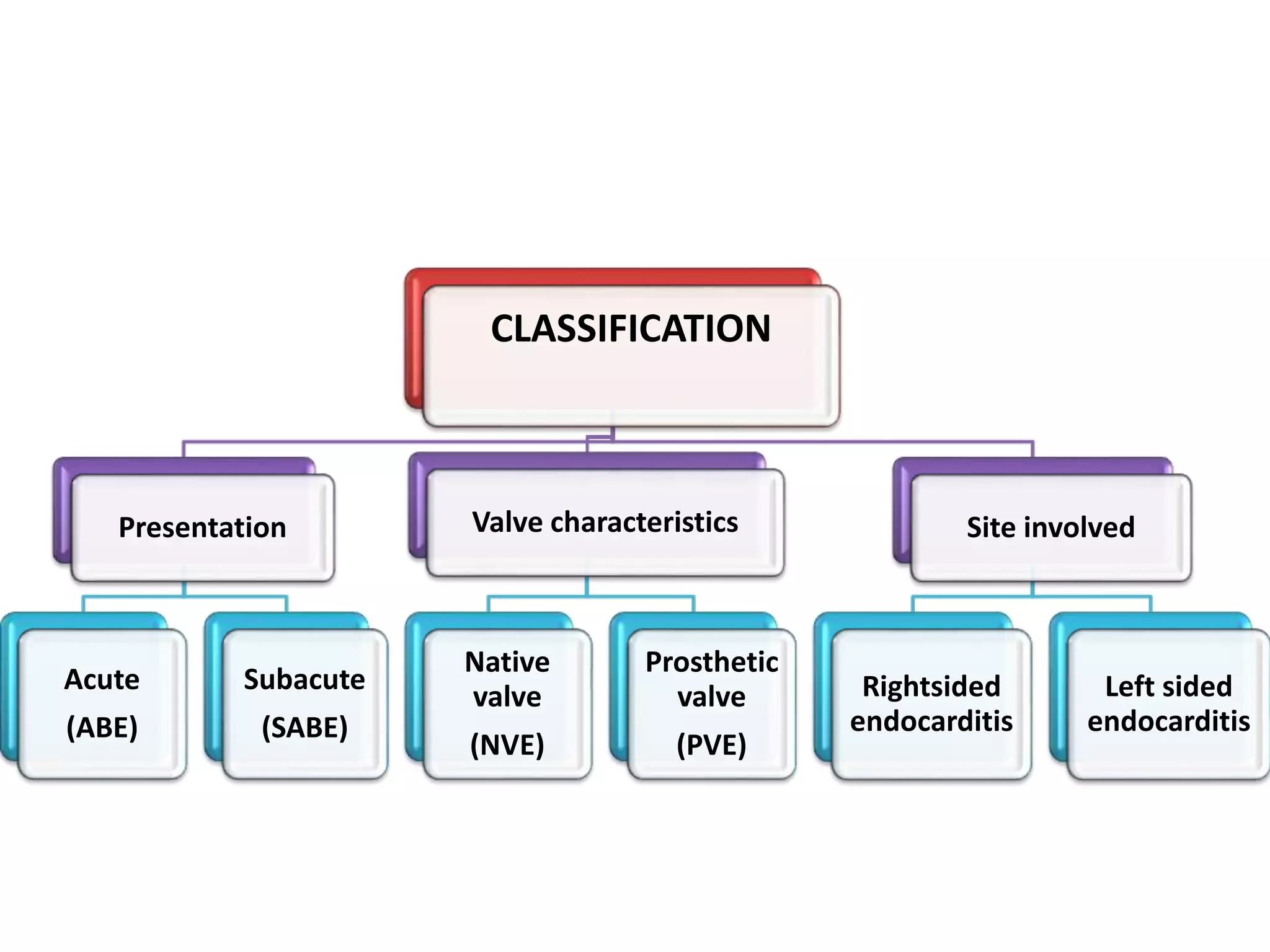
Acute vs. Subacute Infective Endocarditis: Key Differences
When bacteria or fungi take up residence on the heart’s inner lining, the resulting infection—infective endocarditis—can show up in dramatically different ways. Clinicians often split cases into “acute” or “subacute” forms, and that distinction guides everything from the urgency of admission to the choice of antibiotics. Understanding how infective endocarditis acute vs subacute presents, is diagnosed, and is treated can make the difference between a swift recovery and a dangerous complication.
What defines acute and subacute infective endocarditis?
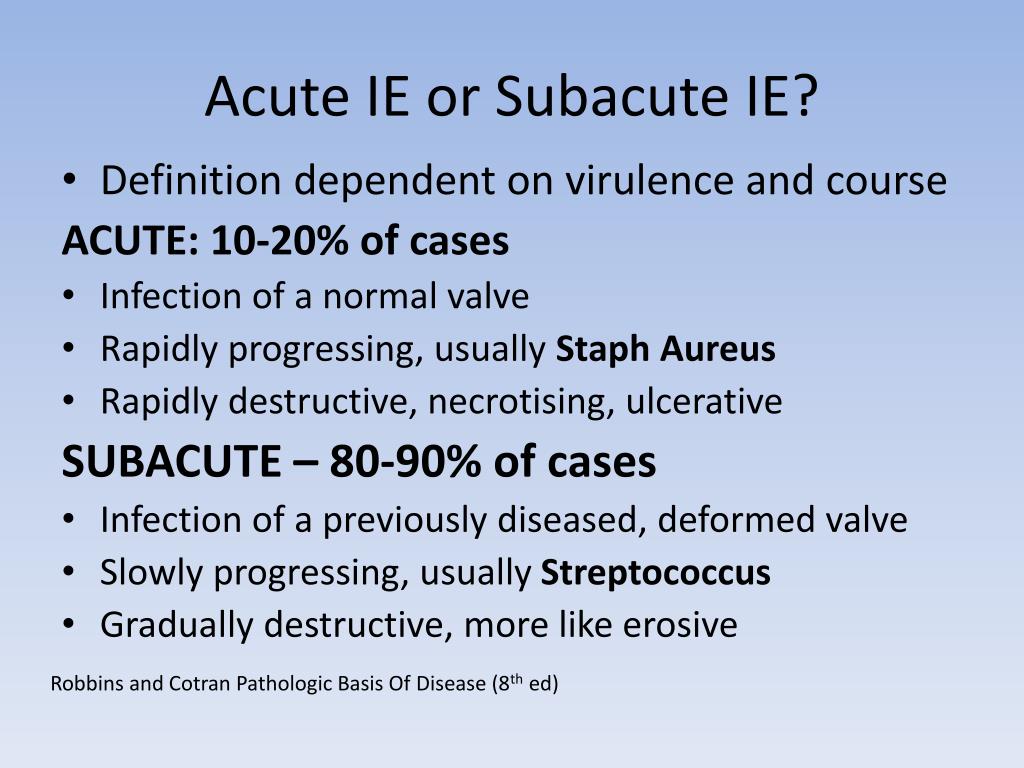
Acute infective endocarditis typically erupts suddenly, driven by highly virulent organisms such as Staphylococcus aureus. Patients may develop high fever, rapid heart failure, or septic emboli within days of infection. In contrast, subacute infective endocarditis unfolds over weeks to months, often caused by less aggressive bacteria like Streptococcus viridans. The clinical picture is more indolent, with low‑grade fevers, weight loss, and subtle murmurs that can be missed on a routine exam.
Acute infective endocarditis: the fast‑track scenario
Time is the enemy in acute cases. The pathogen’s toxins and the host’s inflammatory response can quickly damage heart valves, leading to regurgitation or perforation. Common hallmarks include:
- Fever exceeding 39 °C (102.2 °F) and chills
- New or worsening heart murmur within days
- Signs of embolic phenomena—splinter hemorrhages, Janeway lesions, or pulmonary infarcts
- Rapid rise in inflammatory markers (CRP, ESR) and positive blood cultures within 24–48 hours
Because the disease progresses so swiftly, patients often require intensive care, early surgical consultation, and empiric broad‑spectrum antibiotics while cultures are pending.
Subacute infective endocarditis: the slow burn
Subacute endocarditis is the chameleon of cardiac infections. Its symptoms may mimic chronic fatigue syndromes, making diagnosis a puzzle. Typical clues include:
- Persistent low‑grade fever (often <38 °C/100.4 °F)
- Night sweats, unexplained weight loss, and anemia
- Osler nodes (tender finger/toe nodules) or Roth spots (retinal hemorrhages)
- Gradual onset of a new murmur, sometimes only detectable by a seasoned auscultator
Blood cultures may take longer to become positive, and inflammatory markers rise modestly. The disease course allows for a more measured therapeutic approach, though delayed treatment can still lead to valvular destruction.
Diagnostic pitfalls and overlap
Both forms rely on the classic Duke criteria, which combine microbiologic, echocardiographic, and clinical findings. However, acute cases often meet “major” criteria quickly—large vegetations on transesophageal echo and positive blood cultures—whereas subacute presentations may satisfy only “minor” criteria initially. A careful history is vital: recent intravenous drug use, dental procedures, or prosthetic valve implantation can tip the scales toward one form or the other.
In practice, the line blurs. Some patients start with a subacute course that suddenly accelerates, especially if the organism acquires resistance or if a previously stable vegetation ruptures. Physicians must remain vigilant for such shifts, repeating imaging and cultures when the clinical picture changes.
Tailoring treatment to the disease tempo
Antibiotic regimens differ in duration and intensity. For acute infective endocarditis caused by S. aureus, a typical regimen might be nafcillin or vancomycin for six weeks, often combined with gentamicin for the first week. Subacute cases, especially those linked to streptococci, may be treated with penicillin G or ceftriaxone for four weeks, sometimes without an aminoglycoside.
When vegetations exceed 10 mm, embolic risk rises, prompting early surgical intervention. Acute infections may demand valve replacement within days, whereas subacute cases allow a window for medical optimization before surgery. The decision hinges on heart failure severity, uncontrolled infection, and the presence of systemic emboli.
Key take‑aways at a glance
Below is a quick reference for clinicians and students alike:
- Onset: Acute—hours to days; Subacute—weeks to months.
- Usual organisms: Acute—highly virulent (e.g., S. aureus); Subacute—less aggressive (e.g., S. viridans).
- Symptoms: Acute—high fever, rapid murmur change, emboli; Subacute—low‑grade fever, weight loss, subtle murmur.
- Diagnostics: Acute meets major Duke criteria quickly; Subacute may need repeated imaging and cultures.
- Treatment length: Acute—generally 6 weeks; Subacute—often 4 weeks, sometimes shorter if early surgery succeeds.
Frequently Asked Questions
Can a subacute infection become acute?
Yes. If a vegetation enlarges, ruptures, or the causative organism acquires resistance, the disease can shift dramatically, producing the rapid deterioration typical of acute endocarditis.
Is surgery always required for acute infective endocarditis?
Not invariably, but the threshold for operative intervention is lower. Indications include heart failure, uncontrolled infection despite antibiotics, or vegetations larger than 10 mm with embolic events.
Do prosthetic heart valves change the classification?
Prosthetic valve infections often behave like acute cases, regardless of the organism, because the foreign material facilitates rapid biofilm formation and valve dysfunction.
What role do dental procedures play?
Routine dental work can seed oral streptococci into the bloodstream, setting the stage for subacute endocarditis, especially in patients with pre‑existing valve abnormalities.