Agilent Gas Chromatography: A Complete Guide to Performance and Applications
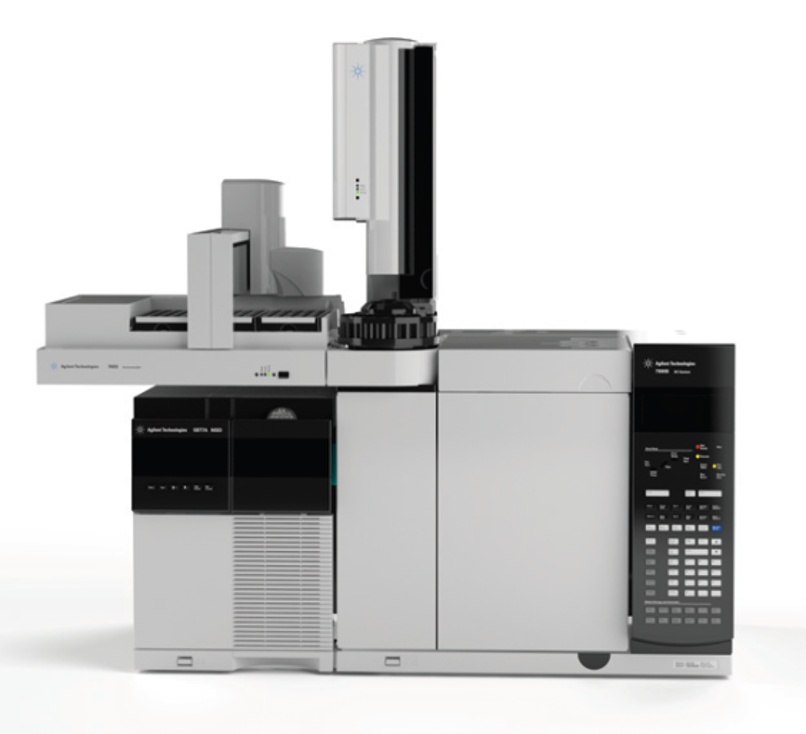
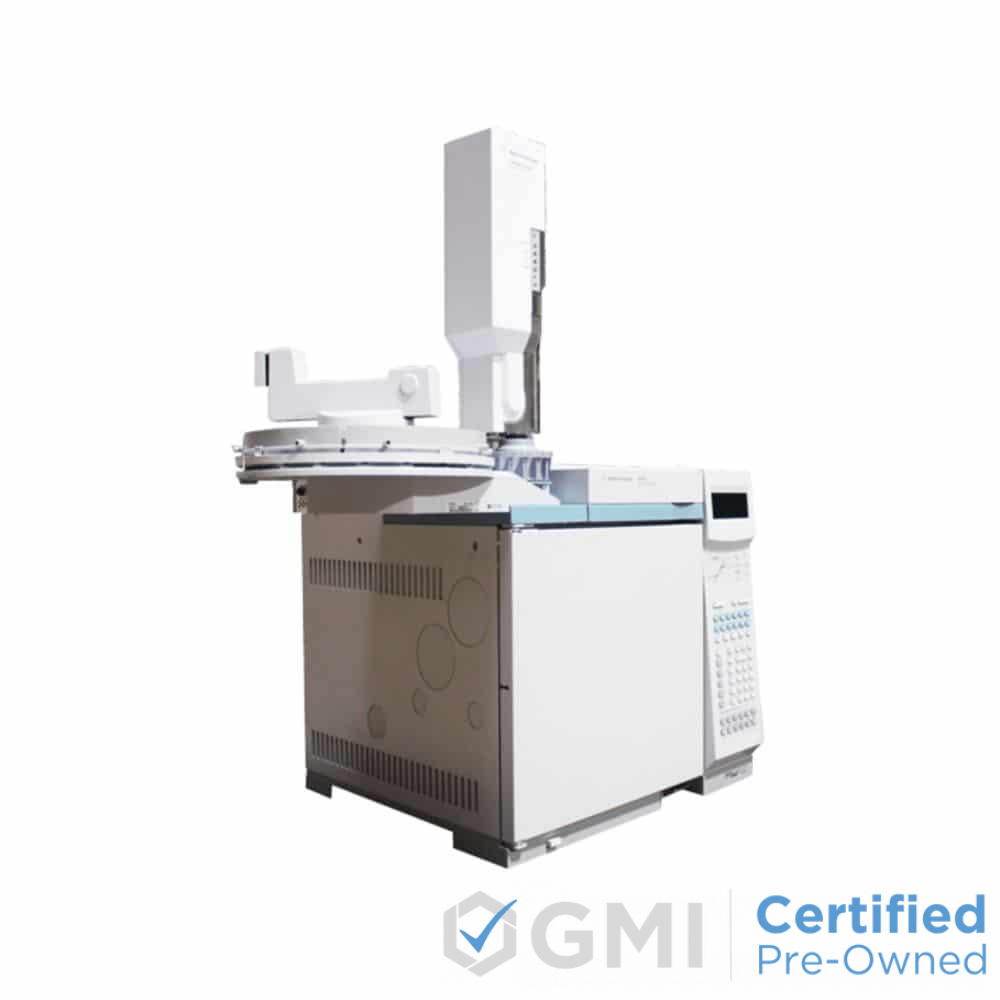
When chemists turn to gas chromatography, one brand often tops the list of their mind: Agilent. Agilent Gas Chromatography systems combine reliable hardware, intuitive software, and a long history of innovation, making them a go-to choice for research labs, environmental agencies, and quality-control teams worldwide. This article dives deep into what sets Agilent GC apart, how it works, and why it continues to shape analytical science.
What Is Gas Chromatography?
At its core, gas chromatography (GC) separates volatile compounds in a mixture by passing them through a column that contains a stationary phase. The mobile phase—usually an inert carrier gas—pushes the analytes along. Different molecules interact differently with the column’s coating, so they exit (or elute) at distinct times, called retention times.
Core Components of an Agilent GC System
While all GC units share a basic architecture, Agilent’s design emphasizes modularity and precision. The main elements are:
- Injector – Capable of split/splitless or pulsed injection, ensuring accurate sample introduction.
- Column Oven – Precisely controls temperature from room to 400 °C, allowing complex separations.
- Detector – Commonly flame ionization (FID), mass spectrometry (MS), or thermal conductivity (TCD), each offering specific sensitivity and selectivity.
- Carrier Gas Control – Allows fine-tuning of flow rates for optimal resolution.
- Control Software – Agilent’s ChemStation streamlines method creation, data analysis, and instrument diagnostics.
Why Agilent Gas Chromatography Is Preferred
Agilent’s reputation stems from several engineering and service choices that give users an edge:
- High-Quality Materials – Columns and housings use low‑adsorption polymers, reducing background noise.
- Integrated Software – ChemStation’s graphical interface simplifies method development and automates routine tasks.
- Robust Support – 24/7 technical assistance and a vast online knowledge base help labs troubleshoot quickly.
- Consistent Performance – Regular calibration kits and built‑in diagnostics maintain precision over years of use.
Key Advantages of Agilent GC Systems
From a practical perspective, users appreciate:
- Rapid Method Development – Pre‑loaded method libraries for common analytes cut setup time.
- Low Maintenance – Modular components mean a quick swap rather than full system downtime.
- Scalability – Models range from tabletop units for small labs to high‑throughput machines for industrial testing.
- Data Integrity – Built‑in checksum verification ensures that raw data remains unaltered.
Common Applications Across Industries
Agilent GC’s versatility shows in the breadth of sectors that rely on it:
- Pharmaceuticals – Impurity profiling, drug metabolism studies, and stability testing.
- Food & Beverage – Aroma compound analysis, pesticide residue detection, and authenticity testing.
- Environmental Monitoring – Volatile organic compound (VOC) surveys, air‑quality assessments, and groundwater studies.
- Forensics – Drug screening, explosive residue identification, and toxicology.
- Academic Research – Fundamental studies on reaction mechanisms, polymer science, and material characterization.
Optimizing Performance: Practical Tips
Even a well‑built GC system needs routine tweaks to stay at peak performance:
- Regular Column Checks – Inspect for deposits or leaks; replace columns after 200–300 hours of operation depending on sample load.
- Temperature Profiling – Fine‑tune gradient steps to reduce peak overlap for complex matrices.
- Carrier Gas Purity – Use high‑purity helium or nitrogen; contaminants can alter detector response.
- Software Calibration – Run standard curves monthly to confirm detector linearity.
- Ventilation – Ensure adequate exhaust for volatile solvents and detector gases.
Troubleshooting Common Issues
When something goes wrong, these quick checks can pinpoint the problem:
- Longer Retention Times – Check for column fouling or gas leakage.
- High Background Noise – Inspect detector connections and verify proper grounding.
- Unstable Baseline – Verify carrier gas flow rate and pressure control.
- Inconsistent Peak Areas – Recalibrate the detector and confirm injector efficiency.
Future Trends in Gas Chromatography
While GC remains a stalwart technique, emerging developments promise further enhancements:
- Miniaturization – Portable GC‑MS units for field analysis are gaining traction.
- Digital Integration – Cloud‑based data storage and AI‑driven peak identification are reducing manual effort.
- Advanced Stationary Phases – New polymer coatings extend separation of thermally labile compounds.
- Energy Efficiency – Low‑power ovens and improved gas flow systems cut operational costs.
Frequently Asked Questions
- What makes Agilent GC systems easier to use than competitors? The ChemStation interface offers a guided workflow, from method creation to data analysis, which reduces setup time and minimizes user error.
- How often should I replace a GC column? Replacement depends on usage; generally, after 200–300 hours of operation or when peak shapes noticeably deteriorate.
- Can Agilent GC detect non‑volatile compounds? Not directly; however, derivatization or coupling with liquid chromatography (LC‑GC) can handle such analytes.
- Is training required for new users? Agilent provides online tutorials and hands‑on workshops to help users quickly master system operation.