AMD Adrenalin GPU Disappears? Quick Fixes & Troubleshooting
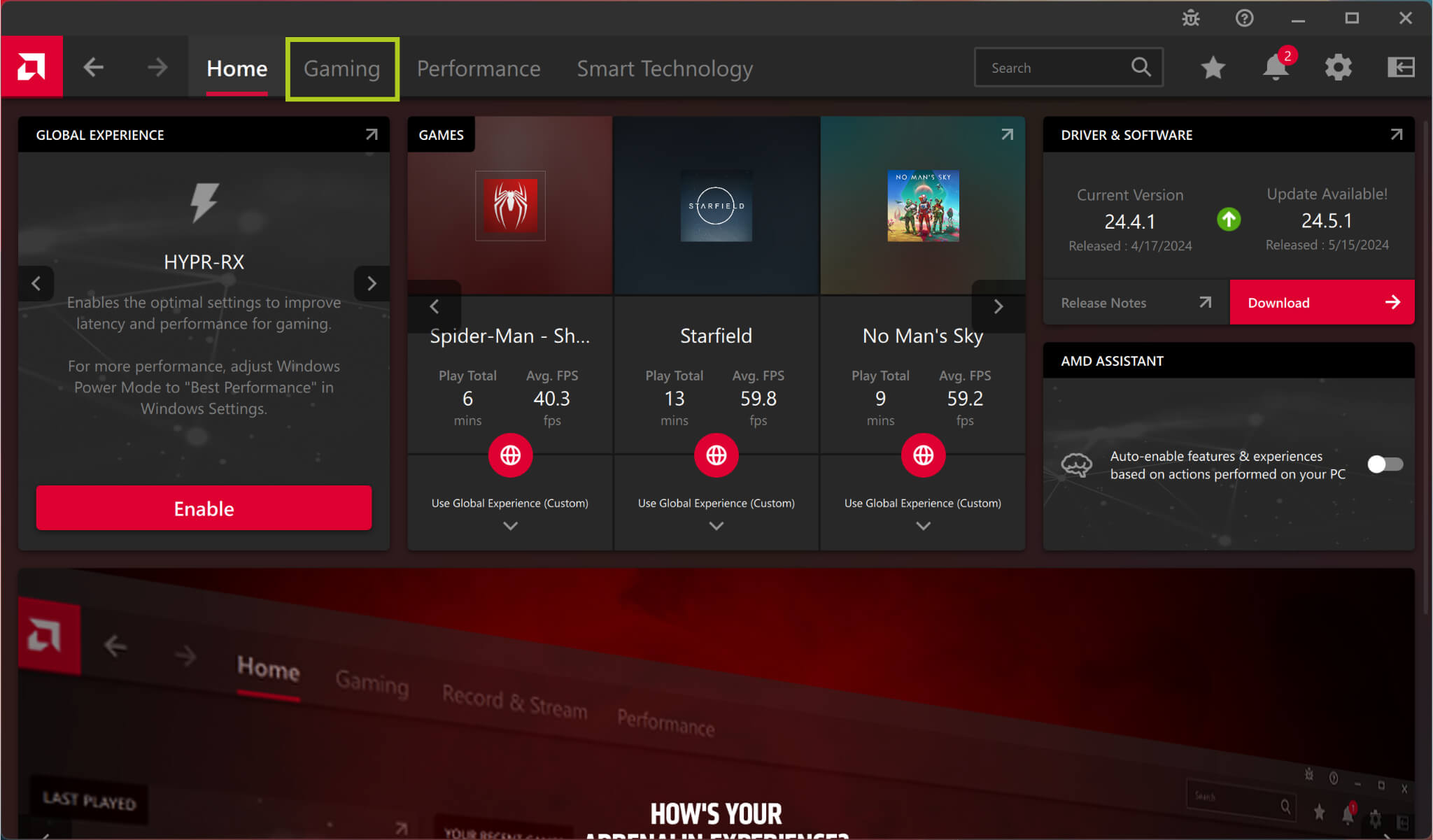
When a graphics card suddenly stops appearing in Windows, frustration can quickly set in—especially if the system was once running smoothly under the AMD Adrenalin driver. A missing GPU usually points to driver corruption, BIOS misconfiguration, or a subtle hardware hiccup. Below is a practical guide that walks you through the most common culprits and provides step‑by‑step solutions to bring your AMD GPU back into view.
Why the GPU Might Vanish from Windows
Several scenarios can cause an AMD Adrenalin‑enabled card to disappear:
- Driver conflicts – A recent Windows update or a third‑party driver may overwrite the Adrenalin package.
- BIOS/UEFI settings – Integrated graphics might be prioritized, or the PCI‑e slot could be disabled.
- Power management – Aggressive sleep or hibernate settings can unload the GPU to conserve energy.
- Hardware misplacement – The card could have loosened from its slot, especially after a system reboot.
- Faulty installation – Corrupted files or incomplete installs leave Windows unable to recognize the device.
Step‑by‑Step Troubleshooting Guide
Check Device Manager
Open Device Manager (Win + X → Device Manager). If the GPU is missing, look for a “Display adapters” entry or a yellow warning sign. A blank list indicates the system didn’t detect any discrete graphics hardware.
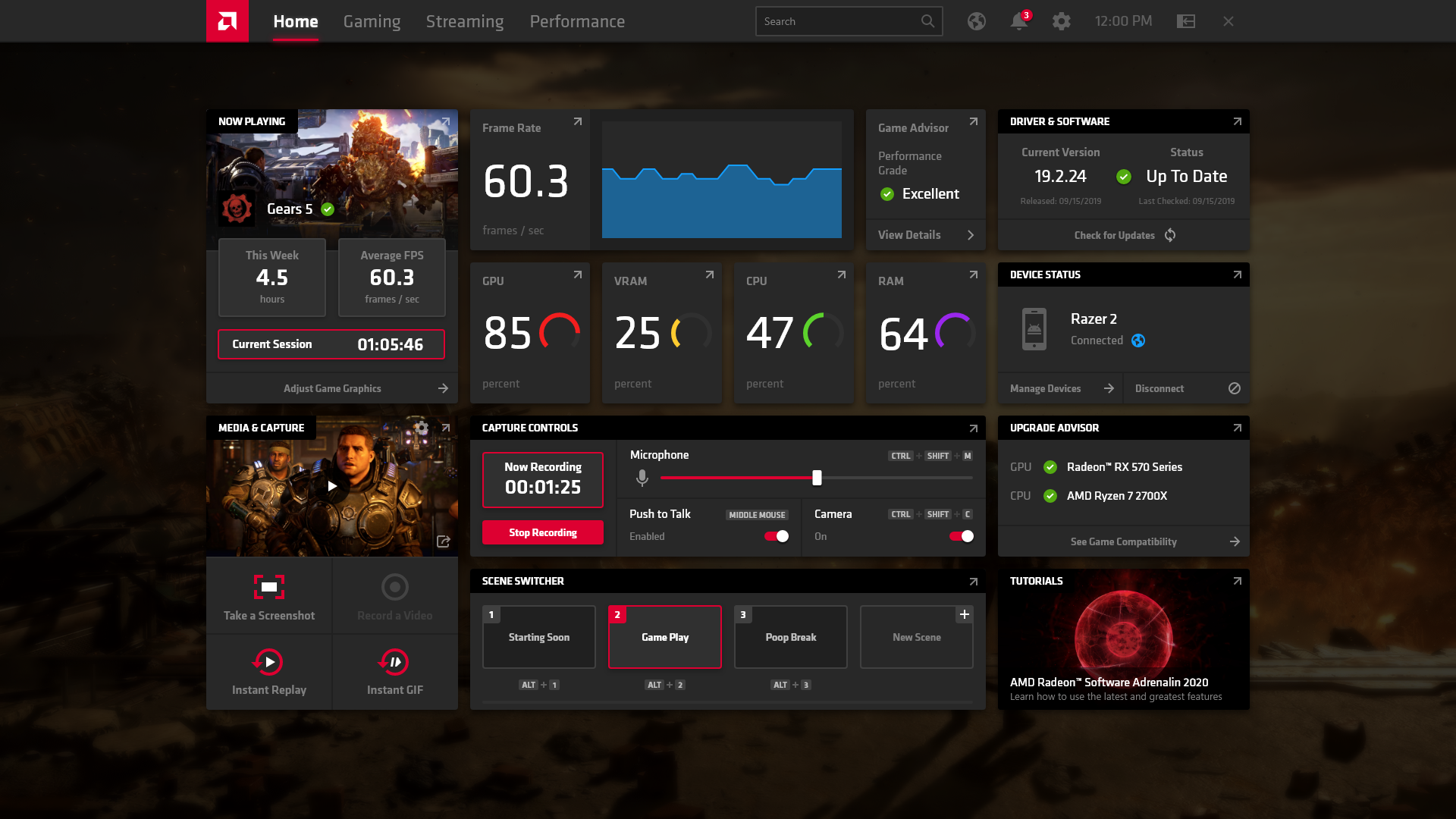
Reinstall the Adrenalin Driver
1. Uninstall the current driver through Settings → Apps → Apps & features → AMD Adrenalin and click Uninstall.
2. Download the latest AMD Adrenalin package from the official AMD website, matching your GPU model.
3. Install in clean mode (choose “Custom (Advanced)” → check Delete all AMD-related software) to remove lingering registry entries.
Verify BIOS Settings
Enter the BIOS/UEFI setup (usually F2, Del, or Esc during boot). Navigate to the Advanced or Chipset tab and ensure:
- Primary Display is set to PCI‑e or Auto.
- Integrated Graphics is disabled if you rely solely on the discrete card.
- PCI‑e Slot Power is set to maximum (often “A‑SATA” or “Max”).
Inspect Physical Connections
Power down and unplug the system. Open the case, then double‑check that:
- The GPU sits firmly in its PCI‑e slot.
- All auxiliary power connectors (6‑pin, 8‑pin) are firmly attached.
- No visible damage or dust blockage is present.
Test with Another System or Port
If possible, install the card in a different computer or try a different PCI‑e slot. This helps rule out motherboard or slot issues. Conversely, try a known working GPU in your machine to confirm the display and power rails are functional.
Use the AMD Cleanup Utility
Download AMD Cleanup Utility (also known as DDU for Display Driver Uninstaller). Boot into Safe Mode, run the utility, and select “Full” cleanup. After a reboot, reinstall the latest Adrenalin driver.
Advanced Solutions
Sometimes the root cause is deeper:
- Windows Updates – Certain cumulative updates can trigger driver incompatibilities.