American Football Explained: A Complete Beginner’s Guide
If you’ve ever heard the roar of a crowd, the snap of a ball, and the strategic chatter of coaches, you’ve glimpsed the world of American football. This sport blends brute strength with chess‑like tactics, making it both thrilling and, at first glance, a little confusing. Below is a straightforward walk‑through of the essentials—field layout, scoring, positions, rules, and a few tips to help you enjoy your first game without feeling lost.
What Makes American Football Unique?
Unlike most team sports that flow continuously, American football is a series of short, high‑intensity bursts called “plays.” Each play starts with a snap and ends when the ball carrier is tackled, steps out of bounds, or scores. This stop‑and‑start rhythm allows coaches to call complex strategies on the fly, turning every down into a tactical showdown.
Understanding the Field and Scoring
The playing surface is a rectangle 120 yards long (including two 10‑yard end zones) and 53.3 yards wide. Key markings include the 50‑yard line, yard‑line numbers every five yards, and the goal lines that define the end zones.
- Touchdown (6 points): Carrying or catching the ball in the opponent’s end zone.
- Extra point (1 or 2 points): After a touchdown, teams may kick the ball through the uprights for one point or run a single offensive play from the two‑yard line for two points.
- Field goal (3 points): Kicking the ball through the uprights during regular play.
- Safety (2 points): Tackling an opponent possessing the ball in their own end zone.
These scoring options give coaches a menu of choices depending on field position, time left, and the game’s flow.
Key Positions and Their Roles
Every team fields 11 players on the field at a time, divided among offense, defense, and special teams. While the roster is larger—often 45 to 53 players—only the starters and a handful of backups see most of the action.
Offensive Positions
- Quarterback (QB): The field general who receives the snap, hands off the ball, or throws it downfield.
- Running Back (RB): Primarily carries the ball on rushing plays; also catches passes and blocks.
- Wide Receiver (WR): Runs routes to get open for passes.
- Tight End (TE): Serves as both a blocker and a short‑to‑mid‑range receiver.
- Offensive Line (OL): Five linemen (center, guards, tackles) who protect the QB and open lanes for runners.
Defensive Positions
- Defensive Linemen (DL): Rush the passer and clog running lanes.
- Linebackers (LB): Versatile players who stop runs, cover receivers, and blitz the QB.
- Defensive Backs (DB): Include cornerbacks and safeties, responsible for defending against passes.
Special Teams
- Kicker (K) and Punter (P): Handle kickoffs, field goals, extra points, and punts.
- Return Specialists: Catch kickoffs and punts and try to advance the ball as far as possible.
- Long Snapper: Delivers precise snaps for punts and field‑goal attempts.
Basic Rules Every New Fan Should Know
- The offense has four downs (attempts) to advance ten yards. If they succeed, the down count resets.
- If the offense fails to reach the ten‑yard threshold after four downs, possession flips to the other team.
- The play clock (usually 40 seconds) forces teams to start the next play promptly.
- Only one player may be in motion at the snap, and that player cannot be moving toward the line of scrimmage.
- Passes must be thrown from behind the line of scrimmage; any forward pass beyond that point is illegal.
How a Game Flows: From Kickoff to the Final Whistle
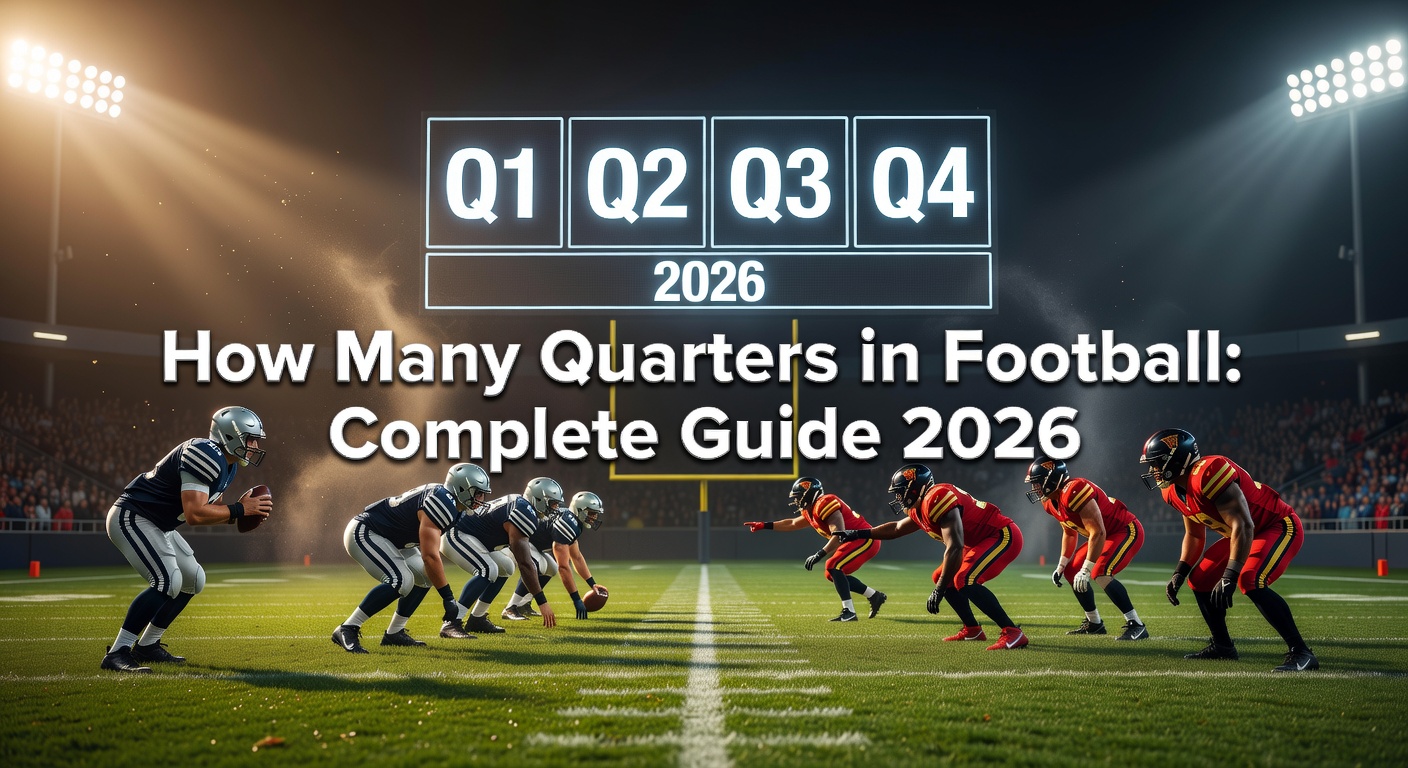
A standard game consists of four 15‑minute quarters, separated by a halftime break. The clock stops for incomplete passes, players going out of bounds, penalties, and after each score. The team that scores last in the fourth quarter may receive the ball again for a short “overtime” period if the score is tied, following a sudden‑death or “possession” format depending on the league.
Each quarter begins with a kickoff, where the kicking team sends the ball deep into the opponent’s territory. The receiving team attempts to advance the ball as far as possible before being tackled. From there, the offensive unit lines up, the quarterback receives the snap, and the play unfolds in a matter of seconds.
Common Terminology Explained
- Snap: The backward pass from the center to the quarterback that starts each play.
- Blitz: A defensive strategy where extra players rush the quarterback to pressure a pass.
- Zone Coverage: Defenders guard specific areas of the field rather than following a particular receiver.
- Play Action: A fake handoff designed to draw defenders toward the run, opening up a passing lane.
- Penalty: A rule infraction resulting in yardage loss (or gain) and sometimes a replay of the down.
Watching Your First Game: Tips for Enjoyment
Don’t feel pressured to understand every nuance on the first try. Start by watching the game with a friend who can point out key moments—like a well‑executed play‑action pass or a critical fourth‑down conversion. Keep an eye on the scoreboard: the “downs and distance” indicator tells you whether a team is in a hurry‑up mode or playing conservatively. Listening to the commentary can also help; broadcasters often explain why a coach chose a particular formation or why a penalty mattered.
If you’re at a stadium, the atmosphere adds another layer of excitement. The chant of “Defense!” from the crowd, the halftime show, and the post‑game analysis all contribute to the cultural experience of American football. Even a casual glance at the game’s official app or a quick YouTube recap can cement the basics you’ve learned.
Frequently Asked Questions
What is the difference between a “sack” and a tackle for loss?
A sack occurs when the quarterback is tackled behind the line of scrimmage while attempting to pass. A tackle for loss can happen to any ball carrier, including a running back, and also results in negative yardage.
Why do teams sometimes go for a two‑point conversion after a touchdown?
The two‑point attempt offers a chance to add an extra point, but it’s riskier. Teams might choose it when they need to close a scoring gap quickly or when analytics suggest the probability of success outweighs the benefit of a simple extra‑point kick.
How does “overtime” work in the NFL?
Each team gets at least one possession unless the first team scores a touchdown on its opening drive. If the score remains tied after both teams have had the ball, the game proceeds to sudden death, where the next score wins.
Is there a “clock” for each play?
Yes. The play clock typically starts at 40 seconds after the previous play ends. Teams must snap the ball before it expires, or they’ll be penalized for “delay of game.”