Beyond Locks: A Beginner’s Guide to Non-Physical Home Security
When most people think of keeping their homes safe, they picture deadbolts, heavy door frames, and motion‑detector lights. Those are essential, but they’re just one side of the protection spectrum. If you’re looking for a holistic approach that doesn’t rely on physical barriers alone, the concept of non‑physical home security offers a wealth of tools and strategies. From smart sensors to community networks, this guide shows beginners how to layer digital and procedural defenses that deter crime before it even starts.
Understanding Non‑Physical Home Security
Non‑physical security measures focus on information, behavior, and environment rather than structural reinforcement. They aim to make your home less attractive to burglars, detect intrusions early, and facilitate swift response. Think of them as the digital guardrails that complement locks, cameras, and alarms.
Smart Home Sensors & Monitoring
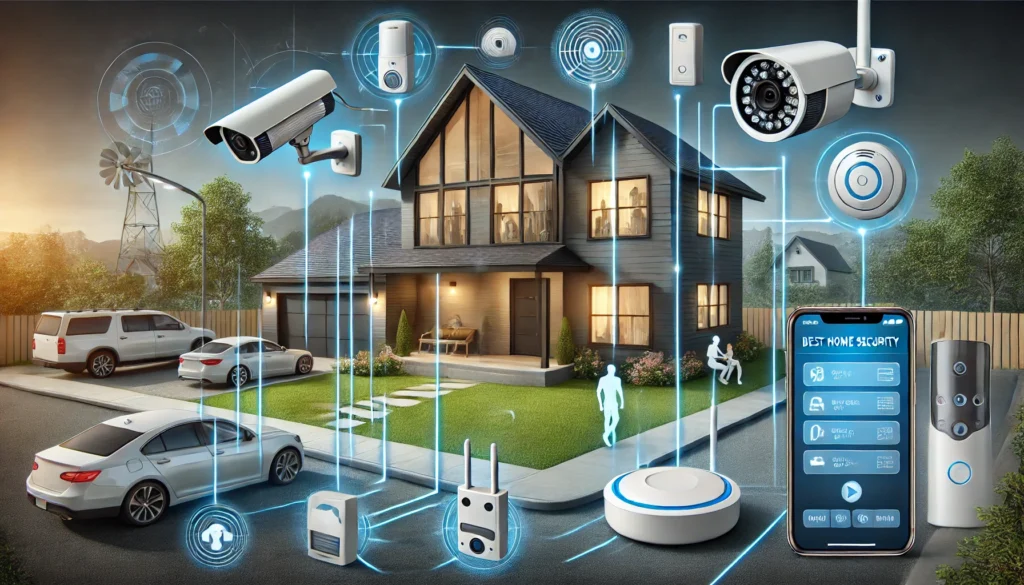
- Door & window contacts alert you instantly if an entry point is opened outside of your routine. Many models pair with smartphones, so you can see real‑time status from anywhere.
- Glass break detectors use audio‑frequency analysis to pick up the crack of a window. They’re especially useful in older homes with exposed panes.
- Vibration sensors placed on stairways or vents can catch the subtle movements of a thief trying to climb or crawl.
Integrating these sensors with a unified app lets you create “safe hours” – periods when any detected activity triggers an alarm and a notification to your phone and local police.
Remote Surveillance & Cloud Storage
Security cameras are now far more affordable and easier to set up. Point a few high‑definition cameras at entry points, and let the cloud do the heavy lifting. When a camera records a suspicious event, it uploads to secure storage, where you can review footage later or share it with authorities without risking the original footage being wiped by a thief.
- Use cameras that support night vision and motion‑triggered recording to conserve bandwidth.
- Enable two‑factor authentication on your camera’s app to prevent unauthorized access.
- Regularly update firmware to patch vulnerabilities.
Lighting Strategies & Timers
Illumination is a simple yet powerful deterrent. A dark house can feel like an open invitation, while bright, well‑timed lighting can make burglars think twice. Smart timers can mimic occupancy patterns: turning lights on and off in ways that suggest someone is home even when you’re away.
- Install motion‑activated LED panels on hallways and stairwells.
- Use smart bulbs that can be controlled via voice or app, so you can adjust brightness or color to suit the time of day.
- Consider outdoor floodlights with motion sensors that trigger a siren when motion is detected after dark.
Community & Neighbour Watch
Human vigilance is a cost‑effective supplement to technology. A neighbourhood watch program encourages residents to keep an eye out for unusual activity and report it promptly. Community apps like Nextdoor or local Facebook groups can facilitate quick communication.
- Schedule monthly check‑ins or “block parties” to foster trust among neighbours.
- Share security updates, such as recent break‑ins or suspicious vehicles, through a dedicated group chat.
- Collaborate with local police for neighbourhood patrols or safety seminars.
Security Policies & Access Control
Sometimes the best protection lies in what you do, not in what you own. Developing clear household rules for visitors and service workers reduces risk. A simple policy could include:
- Always verify a visitor’s identity before allowing entry.
- Require that all service personnel carry official identification and, if possible, a temporary visitor badge.
- Encourage family members to leave door locks on their phones or smart locks in a “stay‑secure” mode when everyone is inside.
Insurance & Legal Safeguards
Protecting your investment also means knowing your rights and responsibilities. Homeowners’ insurance can cover losses from theft, but certain non‑physical measures can reduce premiums and improve claim outcomes.
- List all installed smart devices in your policy; some insurers offer discounts for comprehensive monitoring systems.
- Keep a detailed inventory of valuable items, including serial numbers and purchase receipts.
- Consult a legal professional about local ordinances that might affect your security setup, especially when installing cameras in public or shared spaces.
Frequently Asked Questions
Q: Do I need a professional installer for smart security systems?
A: While many devices are plug‑and‑play, hiring a certified installer can ensure proper integration and configuration, especially for complex setups involving multiple sensors and cameras.
Q: Can I use a smartphone to control all security devices?
A