Bonaire Weather Guide: What to Expect on This Caribbean Island
Dreaming of turquoise waters and sun‑kissed beaches? Bonaire, tucked in the southern Caribbean, offers a climate that feels almost perpetually summer‑like, but the island’s weather has its own rhythm. Knowing the temperature swings, rain patterns, and wind habits will help you pack smarter, plan better, and make the most of every dive, sunset, or island‑hopping adventure.
Climate Overview: A Tropical Yet Tame Experience
Bonaire sits just north of the equator, so it enjoys a tropical maritime climate moderated by the surrounding sea. Daytime highs usually linger between 84°F (29°C) and 90°F (32°C) year‑round, while nighttime lows rarely dip below 73°F (23°C). Because the ocean buffers extremes, you won’t experience the sweltering heat spikes that hit some inland Caribbean destinations.
The island’s position in the southern Caribbean also means it skirts the most violent hurricane paths. While the official Atlantic hurricane season runs June through November, Bonaire’s historical record shows only a handful of direct hits. Still, a brief tropical storm can bring a sudden downpour, so it’s wise to keep a light rain jacket handy.
Seasonal Shifts: Dry, Wet, and the Trade‑Wind Bonus
The year splits into two main seasons. From December to May, the island basks in its dry period, featuring clear skies, low humidity, and steady trade winds that keep the air feeling fresh. This is the peak tourist window, especially for divers who love calm seas and excellent visibility.
June through November marks the wet season, with a higher likelihood of short, intense showers—often in the afternoon. Rainfall still averages under 20 inches (500 mm) annually, so “wet” is a relative term. Even during these months, mornings are typically sunny, and the trade winds continue to sweep across the island, providing a pleasant breeze that mitigates any lingering humidity.
Monthly Snapshot: Temperatures and Rainfall at a Glance
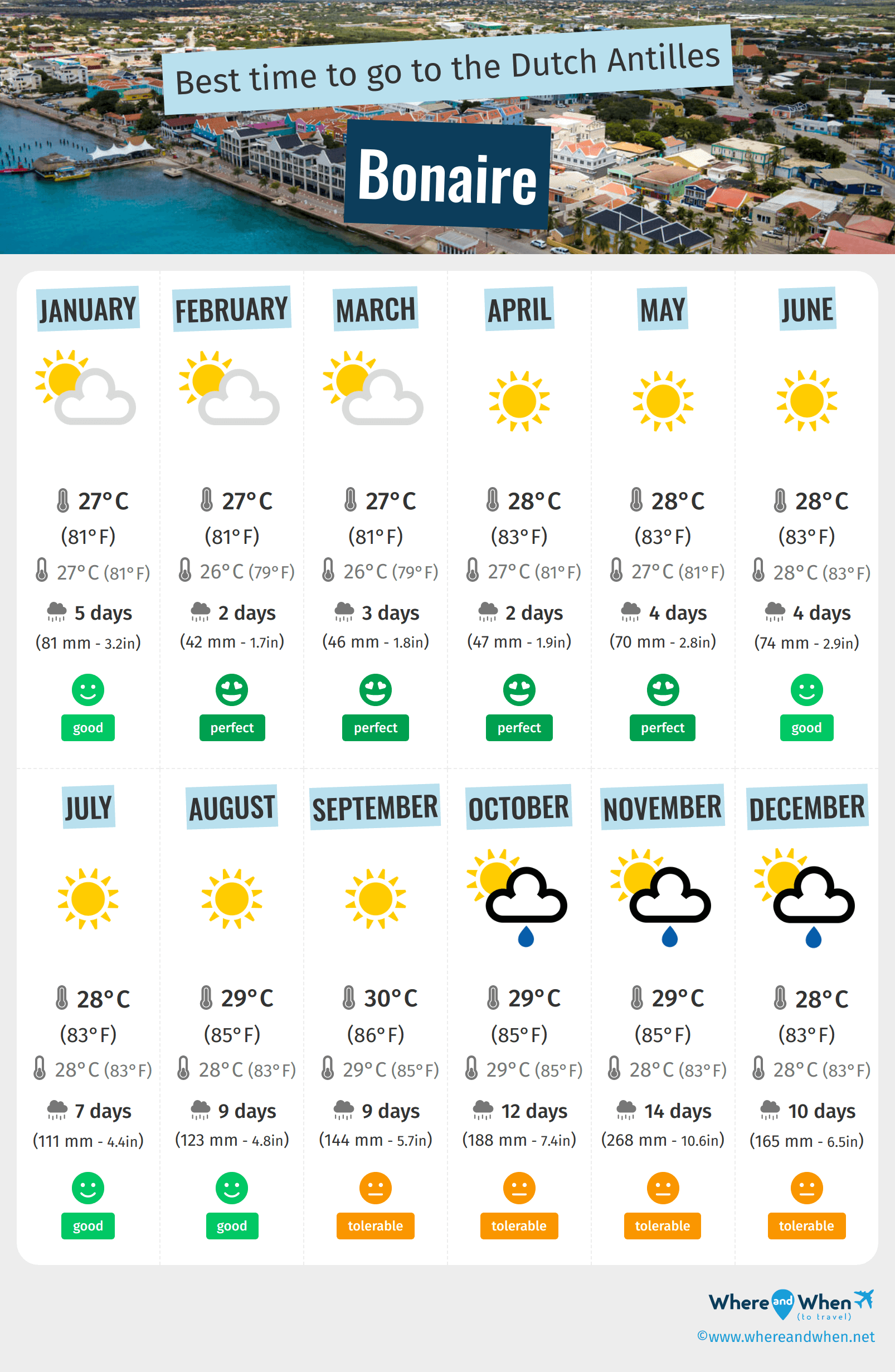
- January – March: Highs 86‑88°F (30‑31°C); rain under 1 inch (25 mm) per month.
- April – May: Warmest stretch, highs hitting 90°F (32°C); rain still modest, around 1‑2 inches.
- June – August: Slight dip in evening temps, highs 88‑89°F; rainfall climbs to 2‑3 inches, often brief thunderstorms.
- September – November: Similar temps to summer; rain peaks in October, averaging 3‑4 inches, but showers rarely last more than an hour.
These figures illustrate why many travelers consider the shoulder months—April, May, and early November—as the sweet spot: warm enough for beach‑days, yet with fewer crowds and a marginally lower chance of rain.
The Role of Trade Winds: Nature’s Air‑Conditioner
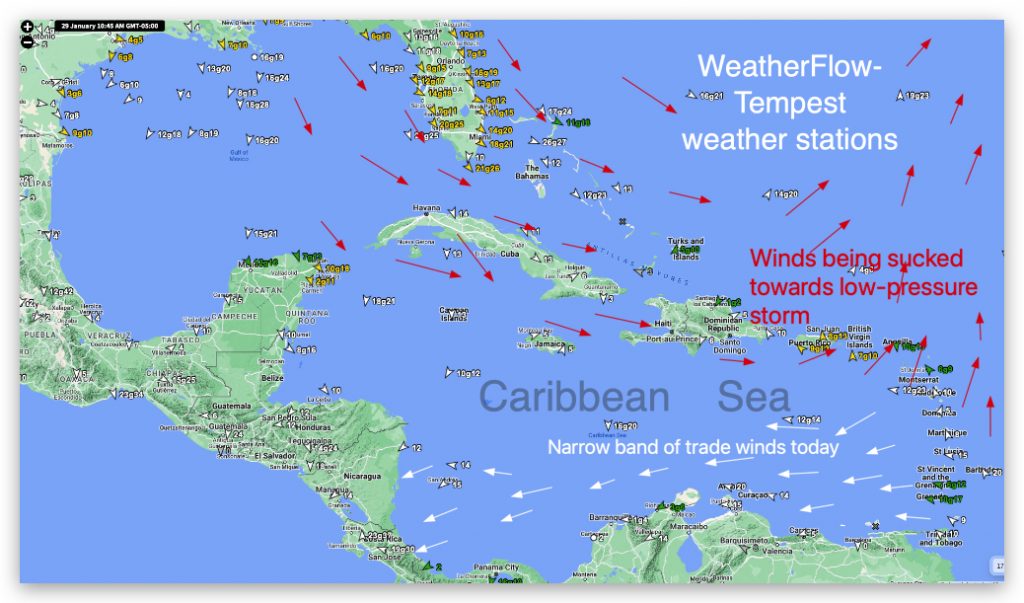
From roughly 10 am to 6 pm each day, the consistent northeast trade winds sweep over Bonaire. They not only keep the temperature feel comfortable but also create ideal conditions for windsurfing, kiteboarding, and sailing. For snorkelers and divers, the winds help clear surface choppiness, preserving the famed underwater visibility that can exceed 100 feet (30 m).
If you’re planning a sunset stroll along Lac Bay, expect a gentle breeze that adds a subtle, salty scent to the air. On the rare still‑day, humidity can rise a notch, but even then the island’s low‑lying terrain prevents the muggy feeling you might encounter on larger Caribbean islands.
Packing and Planning Tips Tailored to Bonaire’s Weather
- Light, breathable clothing: Linen shirts, quick‑dry shorts, and a wide‑brim hat keep you comfortable under the sun.
- Layer for evenings: A light sweater or long‑sleeve top is useful for the occasional cooler night, especially in the dry season.
- Rain gear: A compact, waterproof jacket or poncho is enough for the brief tropical showers of the wet months.
- Sun protection: SPF 30+ sunscreen, UV‑blocking sunglasses, and reef‑safe formulas protect both skin and marine life.
- Wind‑ready accessories: If you’re chasing windsurfing or kiteboarding, bring a wind‑proof dry bag and sturdy water shoes.
Finally, schedule outdoor activities for early mornings or late afternoons when the sun is less intense. This not only reduces sunburn risk but also aligns with the most reliable wind windows for water sports.
Frequently Asked Questions
When is the best time to visit Bonaire for diving?
The dry season—December through May—offers the clearest waters and steady trade winds, making it the top window for divers seeking maximum visibility.
Can I expect hurricanes on Bonaire?
Historically, Bonaire lies outside the main hurricane track. Direct hits are rare, though a passing tropical storm during the June‑November season can bring brief rain and gusty winds.
Do I need a rain jacket if I travel in July?
July falls within the wet season, so a lightweight, waterproof jacket is a smart addition. Most showers are short, so you won’t be drenched for long.
What should I wear for evenings on the island?
Evenings are comfortable but can feel a touch cooler after sunset, especially during the dry months. A light cardigan or long‑sleeve shirt will keep you comfortable without overheating.