Boost a 2017 VW Golf R with the SC0100SC Performance Upgrade
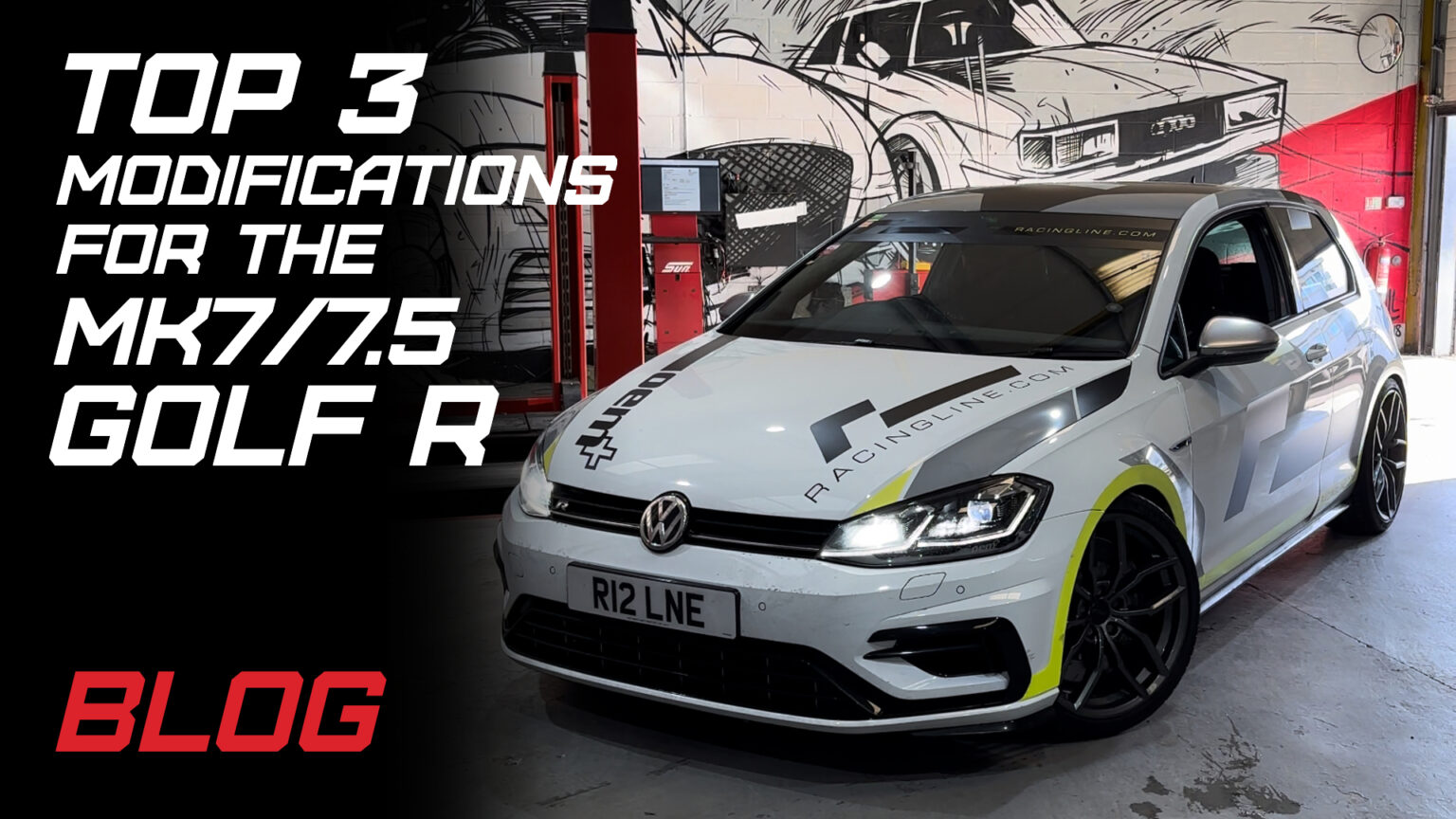
The 2017 VW Golf R already feels like a pocket rocket, but owners who crave that extra punch often turn to the SC0100SC performance upgrade. Whether you call it an ECU flash, a software tune, or simply “the SC0100SC,” the package promises measurable gains without turning the hatchback into a full‑blown race car. Below we break down what the upgrade actually does, how to prepare your Golf R for it, and what you can realistically expect once the code is live.
What the 2017 VW Golf R SC0100SC Upgrade Entails
The SC0100SC is a proprietary calibration developed for the Golf R’s MQB platform. In plain English, it tells the engine control unit to run richer fuel maps, hold higher boost pressure, and shift the ignition timing in a way that extracts more power from the stock 2.0‑liter turbo.
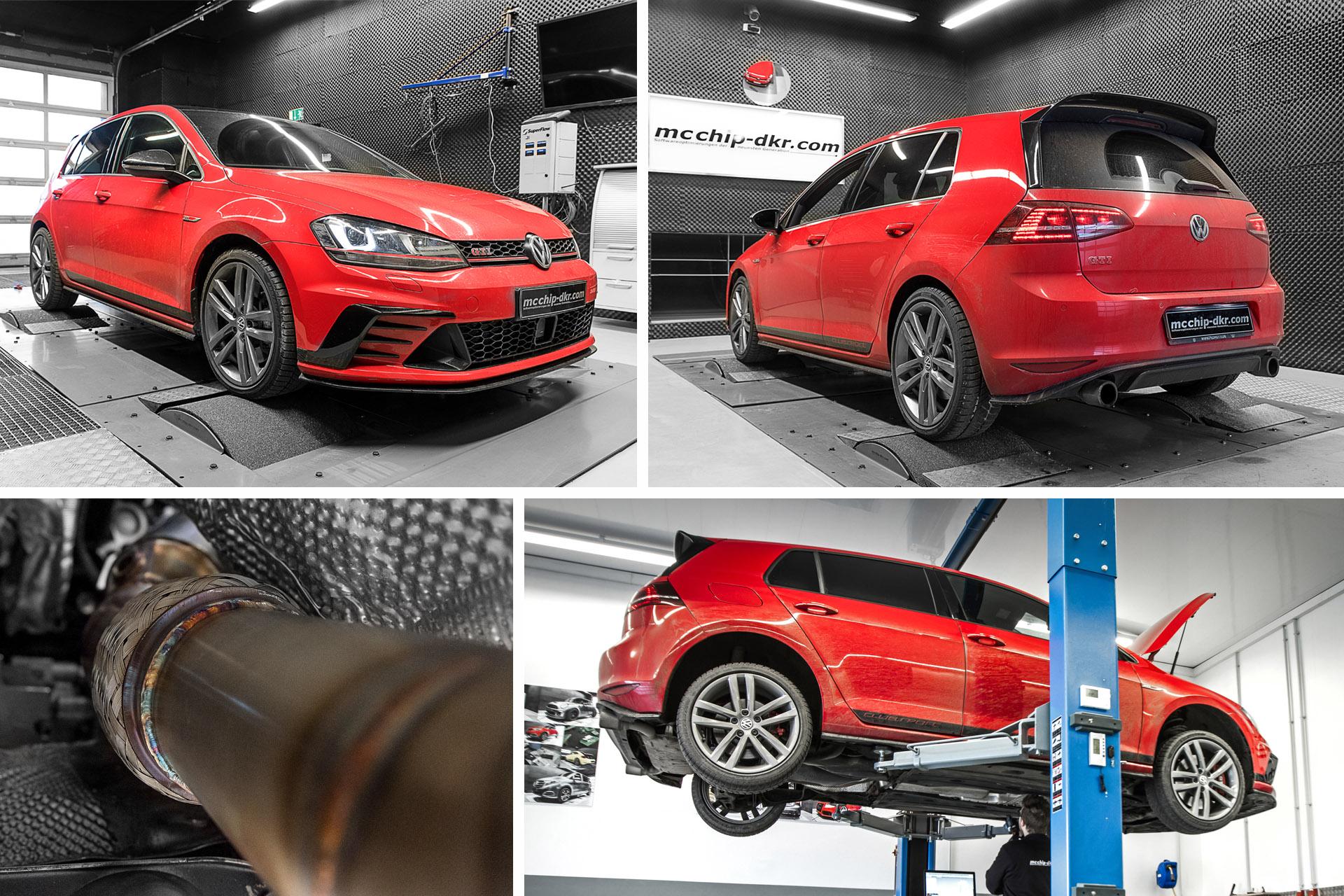
Because the tune lives in software, installation can be completed in a single afternoon with a compatible OBD‑II cable and a laptop or handheld programmer. No hardware swaps are required, although many enthusiasts pair the tune with supporting mods to maximize its potential.
Typical Power and Torque Gains
Most drivers report a jump of roughly 30–40 horsepower and 30–50 lb‑ft of torque after flashing the SC0100SC. The exact numbers vary based on fuel quality, ambient temperature, and whether the car already has aftermarket parts. The added torque arrives lower in the rev range, making everyday driving feel more effortless while still leaving a wide band for spirited runs.
Preparing Your Golf R for the Tune
- Check the warranty. A software flash can void portions of the factory warranty, especially if the vehicle is still under the original powertrain coverage.
- Inspect the cooling system. Higher boost means more heat; a fresh coolant flush and a functional intercooler are prudent.
- Use premium fuel. The SC0100SC is calibrated for 91‑octane or higher; anything lower can cause knock and diminish performance.
Installation Steps (What to Expect)
1. Connect the programmer. Plug the OBD‑II cable into the diagnostic port under the steering column and launch the tuning software.
2. Select the SC0100SC file. The software will verify compatibility with the 2017 Golf R’s VIN and engine code.
3. Flash the ECU. The process takes 5–10 minutes; the car will reboot a few times as the new map loads.
4. Verify the changes. A quick scan will confirm the new boost limits and fuel maps are active.
5. Road‑test. A short drive lets you feel the difference and lets the engine settle into its new parameters.
Supporting Modifications That Complement the SC0100SC
While the tune works on a stock engine, many owners add a few inexpensive upgrades to squeeze out every last bit of performance:
- High‑flow air filter – reduces intake restriction.
- Cat‑back exhaust – improves exhaust flow and gives a more aggressive tone.
- Upgraded intercooler – helps keep charge temperatures down under higher boost.
These mods are optional, but they often translate the software’s potential into real‑world acceleration gains.
Reliability and Longevity Considerations
Volkswagen designed the Golf R’s engine to handle moderate boost increases, so the SC0100SC generally stays within the factory’s safety margins. However, sustained high‑boost driving can accelerate wear on components such as the turbo’s bearings and the clutch. Regular oil changes with a high‑quality synthetic, and occasional inspection of the turbo’s wastegate, help keep the powertrain healthy.
Cost Overview
The SC0100SC tune itself typically retails between $600 and $800, depending on the vendor and whether you opt for a “stand‑alone” flash or a dealer‑installed package. Adding a cat‑back exhaust or upgraded intercooler can push the total outlay to $1,200–$1,500. Most owners find the performance boost justifies the expense, especially when the car’s daily drivability improves noticeably.
Legal and Emissions Implications
Because the SC0100SC alters emissions‑related parameters, it may not be street‑legal in all jurisdictions. In the United States, a “CARB‑approved” version is required for use in California and other states with strict emissions testing. European owners should verify compliance with local type‑approval rules before installing the tune.
Reversibility: Can You Go Back?
One of the benefits of a software‑only upgrade is its reversibility. Most tuning tools allow you to restore the original factory map with a simple click, provided you kept a backup of the stock calibration. This makes it easy to revert the car for warranty work or for an upcoming inspection.
FAQ
What horsepower increase can I realistically expect?
Most drivers see about a 30‑40 hp bump, though exact figures depend on fuel quality and any supporting hardware mods.
Will the SC0100SC affect fuel economy?
On average, fuel consumption rises slightly during aggressive driving because the engine is producing more power, but at steady‑state cruising the difference is usually negligible.
Is the upgrade legal in my state?
Check local emissions regulations. In many U.S. states the tune is legal, but California and a few other regions require a CARB‑approved version.
Do I need to replace any parts after installing the tune?
No immediate replacements are required, but monitoring oil quality and coolant temperature is advisable, especially if you add supporting mods.