Choosing the Right Night Driving Lights for Following Traffic
When you’re tailing another vehicle after dark, the type of light you project can mean the difference between clear visibility and dangerous glare. Night driving lights aren’t just about looking cool; they’re a safety tool that must be selected and used wisely. Below we break down the options, legal limits, and practical tips so you can stay illuminated without blinding the driver ahead.
Night Driving Lights: Legal Basics
Every jurisdiction has its own rules about what lights may be used on public roads after sunset. In most places, only the factory‑installed headlights and, when appropriate, fog lights are permitted for regular driving. Auxiliary lights—such as LED strips, light bars, or aftermarket spotlights—are usually allowed only if they are off‑road or mounted in a way that doesn’t direct light toward oncoming traffic.
Before you install anything, check your local vehicle code. A common pitfall is assuming that a bright LED bar is automatically legal; in many states, it must be angled downward at least 10 degrees and cannot exceed a certain lumen output. Ignoring these rules can lead to fines or, worse, an accident caused by impaired vision.
High Beams vs. Low Beams: When to Switch
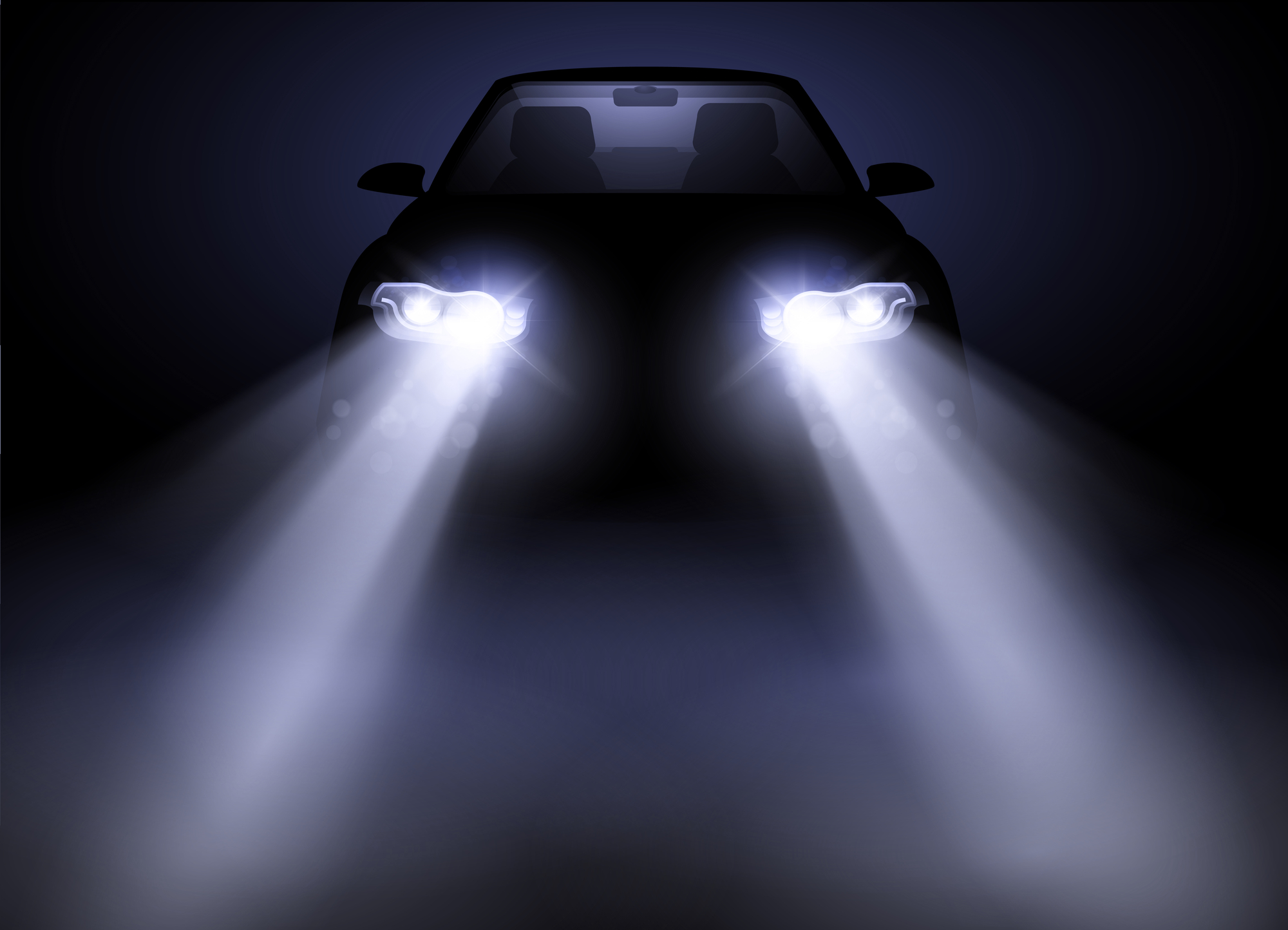
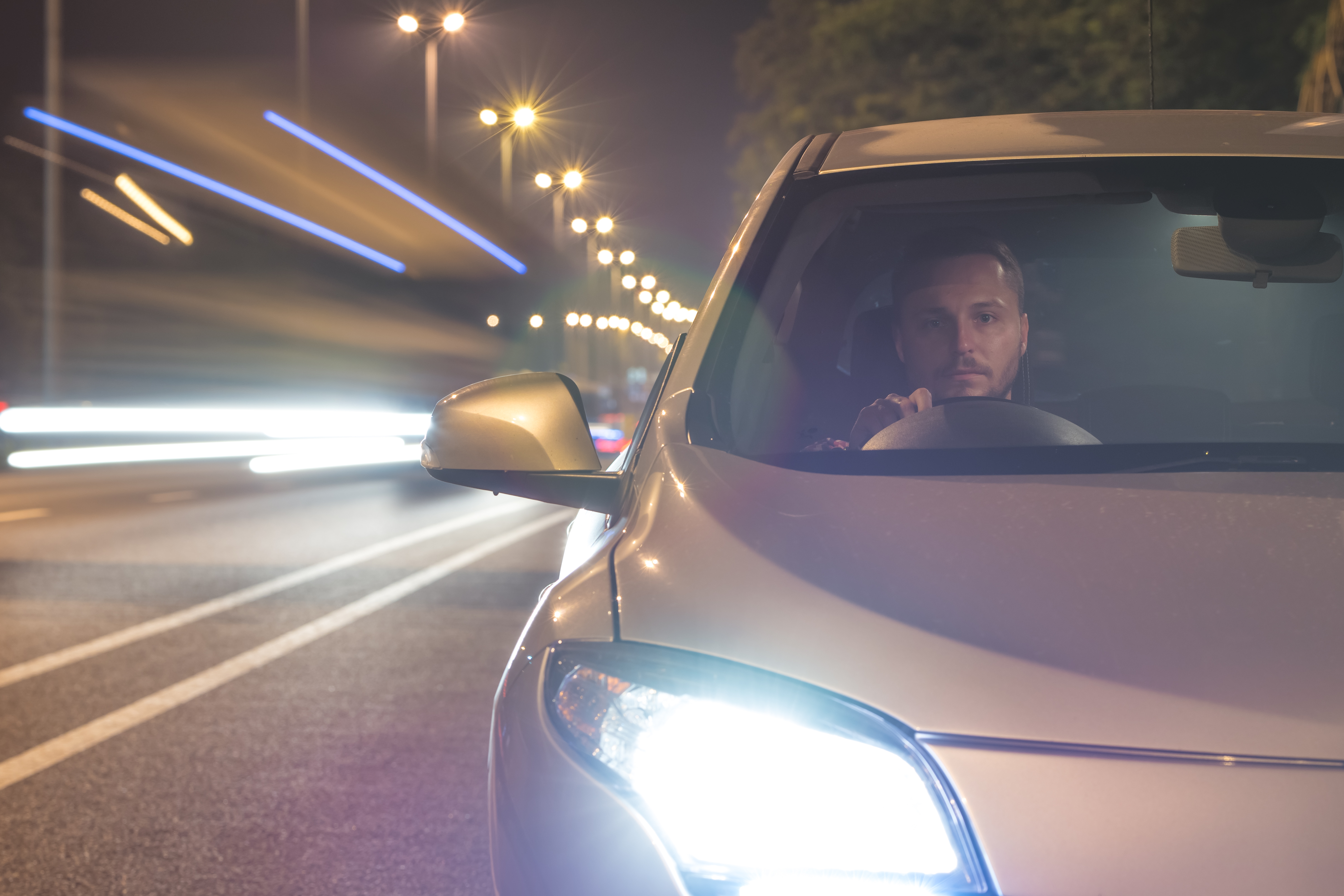
Most drivers think “the brighter, the better,” but high beams have a very specific purpose: illuminating a road that’s free of traffic ahead. If you’re directly behind another car, high beams will bounce off their windshield and create a blinding wash of light. Keep your low beams on until you’re a safe distance ahead—generally at least 200 feet—before transitioning to high beams.
Low beams provide enough forward illumination to read road signs and see obstacles while minimizing glare for the driver in front of you. If you find the low beams insufficient, consider upgrading to a modern halogen or LED headlamp that offers a brighter, more focused beam without sacrificing compliance.
Fog Lights: Not Just for Mist
Fog lights are designed to cut through low‑visibility conditions, projecting a wide, low‑angle beam that hugs the road surface. While they’re tempting to use at night for extra brightness, they should only be activated when you actually encounter fog, heavy rain, or snow. Using fog lights in clear conditions can distract the driver ahead and may be illegal in some areas.
When you do need them, turn them on only after the vehicle in front of you, and make sure they’re angled correctly—typically 2 to 5 degrees downward—to avoid shining into other drivers’ eyes.
Auxiliary Lights: Spotlights, Light Bars, and LED Strips
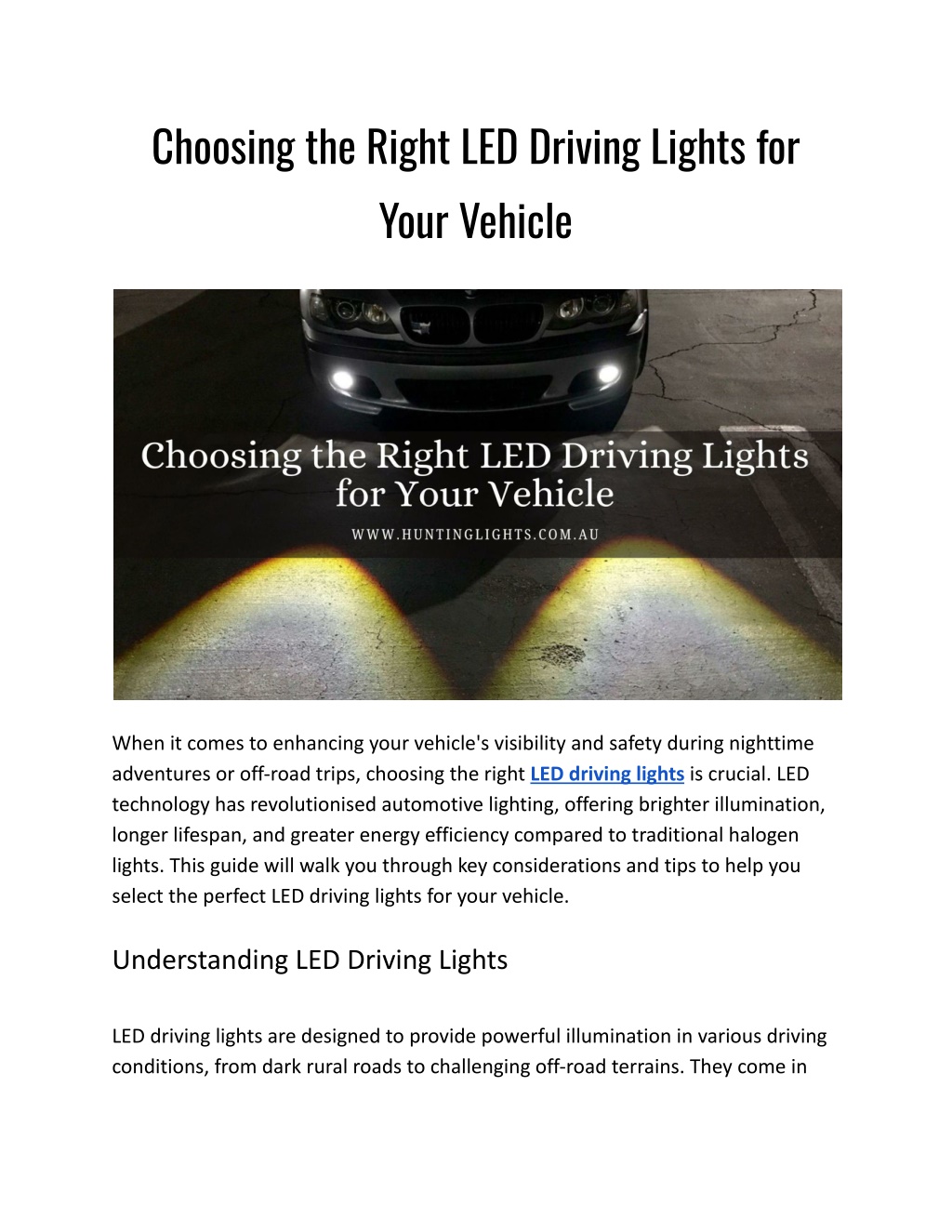
Auxiliary lights come in many shapes: spotlights that concentrate a tight beam, wide‑angle light bars for general illumination, and decorative LED strips that add flair. For night driving behind other cars, spotlights can be useful if they’re mounted low and aimed strictly toward the road, never upward.
Light bars, on the other hand, are often too bright and too high. If you must use a light bar, choose one with adjustable intensity and a built-in dimmer. Keep the bar’s centerline at least 15 degrees below the horizontal plane to keep the glare off the windshield of the vehicle ahead.
How to Position Your Lights for Maximum Safety
- Height matters: Aim headlights so the top of the beam is about two inches above the hood line.
- Angle correctly: A downward tilt of 1‑2 degrees prevents the light from striking oncoming drivers.
- Distance awareness: Maintain at least a three‑second following interval; this gives you enough time to react without needing to rely on excessive lighting.
- Regular checks: Clean lenses regularly; dirt and fog can scatter light and increase glare.
Practical Tips for Nighttime Tailgating (Responsibly)
Even with the right lights, tailgating is risky. If you need to close the gap—perhaps because of traffic flow—reduce your speed instead of turning up the brightness. Use your high beams sparingly, and only after you’re safely ahead of the car you were following.
Consider installing a rear‑view camera with night‑vision capability. While it doesn’t replace forward illumination, it helps you monitor the distance to the vehicle ahead without constantly looking over your shoulder, reducing the temptation to “see” more by blasting extra lights.
Cleaning and Maintaining Night Driving Lights
Dust, road grime, and insect splatter can dull even the most advanced LED headlamps. A simple mixture of warm water and mild dish soap, followed by a soft microfiber wipe, restores clarity. For sealed beam headlights, a polishing kit with a fine‑grit sandpaper can remove oxidation that otherwise scatters light.
Don’t forget to check the wiring of any aftermarket lights. Loose connections can cause flickering, which not only reduces visibility but also signals a potential electrical fault to other drivers.
Etiquette on the Road
Good night‑driving etiquette is about more than just lights. If a driver ahead signals a turn, dim your high beams well before you reach the intersection. When you pass a slower vehicle, briefly flash your low beams to signal you’re overtaking, but avoid long‑lasting flashes that could startle the other driver.
Remember, the goal is to see the road clearly while keeping the environment comfortable for everyone else. A well‑behaved light user contributes to a safer highway for all.
Frequently Asked Questions
Can I use LED light bars on the front of my car at night?
Yes, if the light bar is mounted low, angled downward at least 10 degrees, and its brightness complies with local regulations. Many states require the bar to be dimmable and to stay off when other traffic is within 200 feet.
Do fog lights work in clear night conditions?
Generally, no. Fog lights are intended for low‑visibility weather. Using them on clear nights can distract other drivers and may violate traffic codes in some areas.
What’s the best distance to keep from the car in front when using high beams?
Maintain a minimum of 200 feet before switching to high beams. This distance lets the light clear the vehicle ahead without causing glare.
Are aftermarket headlights legal for night driving?
Aftermarket headlights are legal as long as they meet the same performance standards as factory units—typically a specific lumen range and a beam pattern that doesn’t exceed the regulated cutoff line.