Core Europe: Navigating the England, Ireland, France & Benelux Hub
When logistics experts, digital marketing strategists, and supply chain managers talk about "Europe's Core," they are rarely referring to the entire continent. Instead, they pinpoint a specific, high-density economic engine. This region—comprising England, Ireland, France, and the Benelux countries—acts as the beating heart of Western European commerce, culture, and innovation. It is a tightly knit cluster where borders blur, languages overlap, and economic activity pulses at a frantic, efficient pace.
Understanding this specific zone is crucial for anyone looking to expand their business footprint or simply comprehend the dynamics of the modern European landscape. But why group these four distinct entities together? The answer lies in geography, logistics, and a shared history of integration that makes this cluster uniquely powerful.
The Geographic and Economic Logic
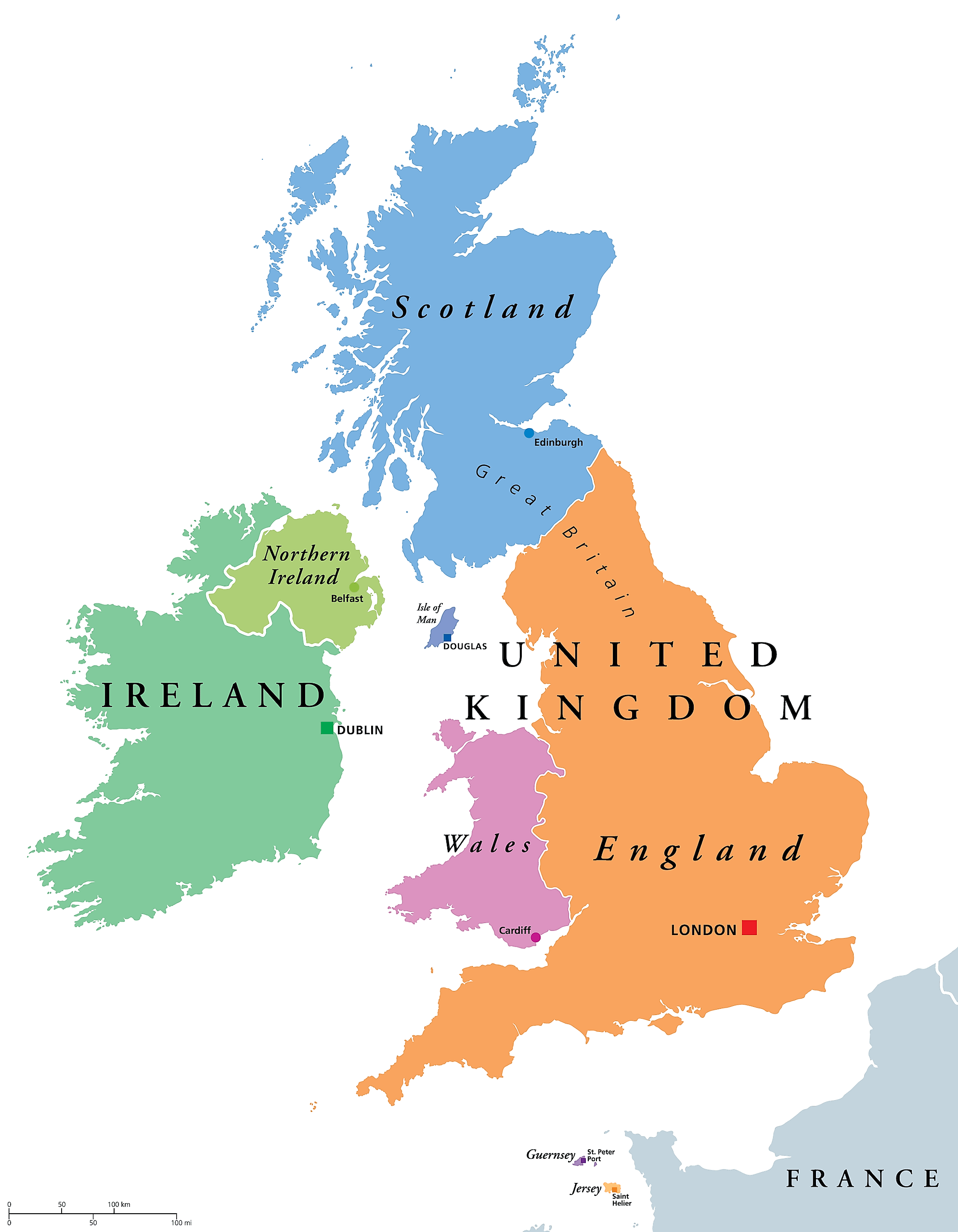
Look at a map, and the connection becomes obvious. England and Ireland sit to the northwest, while France forms the continental anchor to the south. Tucked between them and leaning against both France and the rest of Northern Europe are the Benelux nations: Belgium, the Netherlands, and Luxembourg. Together, they form a triangular corridor of immense value.
This region is home to some of the busiest ports and airports in the world. The Port of Rotterdam in the Netherlands, often cited as the busiest port in Europe, serves as the gateway for goods entering the continent. Meanwhile, Paris Charles de Gaulle and London Heathrow provide air connectivity that spans the globe. This infrastructure creates a synergy that is hard to replicate elsewhere. A shipment can arrive in Rotterdam, be processed in Antwerp or Liège, and reach London or Dublin within hours. It is a zone of speed and efficiency.
Furthermore, this core region hosts a disproportionate amount of Europe’s GDP. France alone is a major economic powerhouse, while the Netherlands and the UK are financial hubs of global significance. Ireland, surprisingly small in size, punches far above its weight class in terms of tech exports and corporate headquarters, thanks strategically to its favorable tax landscape and English-speaking workforce.
Logistics: The Arteries of the Core
For e-commerce businesses and supply chain managers, this region is paradise. The physical proximity of these markets allows for rapid last-mile delivery. If you are shipping from a warehouse in the Netherlands, you can often reach customers in Belgium, northern France, and London within 24 to 48 hours. This "next-day" promise is a major driver of consumer confidence in the area.
However, the post-Brexit landscape has added a layer of complexity. England is no longer part of the European Union’s single market or customs union. This has created friction in the form of customs checks and regulatory divergence, primarily affecting firms moving between the UK and the EU-based countries (France and Benelux). Despite these hurdles, trade volumes remain robust. Companies have adapted by establishing separate fulfillment networks—one for the UK and one for the EU—often based in Ireland or the Benelux nations to serve as a bridge.
Ireland’s role here is particularly interesting. As an English-speaking EU member, it serves as a natural linguistic and legal bridge between the UK mainland and the Continental EU. Many companies have used Ireland as a staging ground for operations that need to remain compliant with EU regulations while maintaining strong ties to British markets.
Cultural Nuances and Consumer Behavior
While the geography is tight, the cultures are distinct. Assuming that a marketing message tailored for France will work seamlessly in the Netherlands or England is a costly mistake. Each country has its own media habits, shopping preferences, and cultural touchpoints.
- France: French consumers value quality, heritage, and sustainability. They are somewhat more resistant to impulse buying compared to their northern neighbors and place a high premium on local brands and data privacy.
- The Benelux: The Dutch and Belgians are pragmatic shoppers. High internet penetration rates mean they are early adopters of online services. Price competitiveness and clear return policies are often decisive factors. Dutch Consumers are also known for being straightforward and highly critical of poor service, leaving honest reviews.
- England & Ireland: The UK market is mature and highly competitive. Mobile commerce is dominant, and shoppers expect speed. In Ireland, there is a strong alignment with British trends but with a distinct local flair in media consumption and humor. Both markets are generally open to global brands but demand high levels of customer service responsiveness.
Language is also a factor. While English is widely spoken in the Benelux and Ireland, local language preference remains strong in France and Belgium. A French website that only offers English options will likely see a higher bounce rate. Similarly, in Belgium, the distinction between the French-speaking south and Dutch-speaking north is not just political but deeply cultural.
Digital Infrastructure and Payment Preferences
The digital landscape in this core region is advanced but fragmented. Mobile usage is high across the board, but payment methods vary significantly.
In France, bank transfers (via intermediaries like Paylib) and local debit cards remain dominant. Credit card adoption among consumers is relatively low compared to the US or UK. In the Netherlands, iDEAL is an absolute must-have for e-commerce; failing to offer it is akin to not taking cash in a physical store. In the UK and Ireland, card payments and digital wallets like Apple Pay and Google Pay are ubiquitous.
For businesses, this means a "one-size-fits-all" payment gateway strategy often falls short. Successful operators integrate multiple payment providers to cater to local preferences, ensuring friction at checkout is minimized.
Why This Core Matters for Strategy
Targeting England, Ireland, France, and the Benelux region is often seen as the smartest first step for global brands entering Europe. It offers a large addressable market with high purchasing power and sophisticated digital infrastructure. It is a testing ground. If a product succeeds here, it has a strong foundation to expand further into Southern or Eastern Europe.
The density of talent is another key advantage. This region is home to top-tier universities and tech hubs, from the Silicon Canal in Amsterdam to the fintech district in London and the startup ecosystem in Dublin. Access to skilled labor in logistics, digital marketing, and software development is far easier here than in peripheral regions.
Ultimately, the "Core" is not just a geographic designation; it is a strategic concept. It represents a place where infrastructure, culture, and economics intersect in a way that accelerates business growth. While challenges like Brexit and regulatory differences exist, the opportunities for integration and efficiency make this region the undisputed center of gravity for Western Europe.
Frequently Asked Questions
Is Ireland considered part of the EU single market for goods?
Yes, Ireland is a full member of the European Union and the single market. This allows for the free movement of goods, services, and capital between Ireland and other EU countries like France and the Benelux states, without customs checks or tariffs.
What is the biggest logistics hub in the Benelux region?
The Port of Rotterdam in the Netherlands is the busiest port in Europe and a critical entry point for global trade. Alongside it, the Port of Antwerp in Belgium is a major logistics center, handling a vast amount of container traffic and serving as a distribution hub for the broader region.
Why is the UK separated from the EU core in terms of trade?
Following Brexit, the United Kingdom left the European Union’s single market and customs union. While it remains geographically close, trade between the UK and EU countries now involves customs declarations and regulatory checks, creating a distinction between the UK market and the Continental EU core.
Do I need separate marketing strategies for France and the Benelux?
Absolutely. While both regions are sophisticated, their consumer behaviors differ. French consumers prioritize local brands and data privacy, while Benelux shoppers focus heavily on price competitiveness and convenience. Additionally, language preferences vary significantly, requiring localized content for both markets.