Create an Effective Landing Page for Your Medical Coding Practice Company
When you run a medical coding practice, the first point of contact for many prospects is your landing page. It’s the digital handshake that can turn a curious visitor into a paying client. In this article we’ll walk through the essential building blocks of a high‑converting landing page tailored to a medical coding practice company, from copy to design, trust signals, SEO, and analytics.
Why a Dedicated Landing Page Matters
Unlike generic homepages, a landing page focuses on a single objective: converting a visitor into a lead or customer. For a medical coding practice, that objective usually means capturing contact information, scheduling a consultation, or downloading a pricing guide. Because the target audience—hospital administrators, billing departments, and independent coders—often visits in a hurry, every element must communicate value quickly.
Key Elements Every Medical Coding Landing Page Should Have
- Clear, Benefit‑Focused Headline – Immediately tell the visitor what problem you solve. Example: “Streamline Your Billing Cycle with Expert Medical Coding.”
- Supporting Sub‑Headline – Offer a concise elaboration. Example: “Reduce denials, accelerate reimbursements, and stay compliant with our certified coders.”
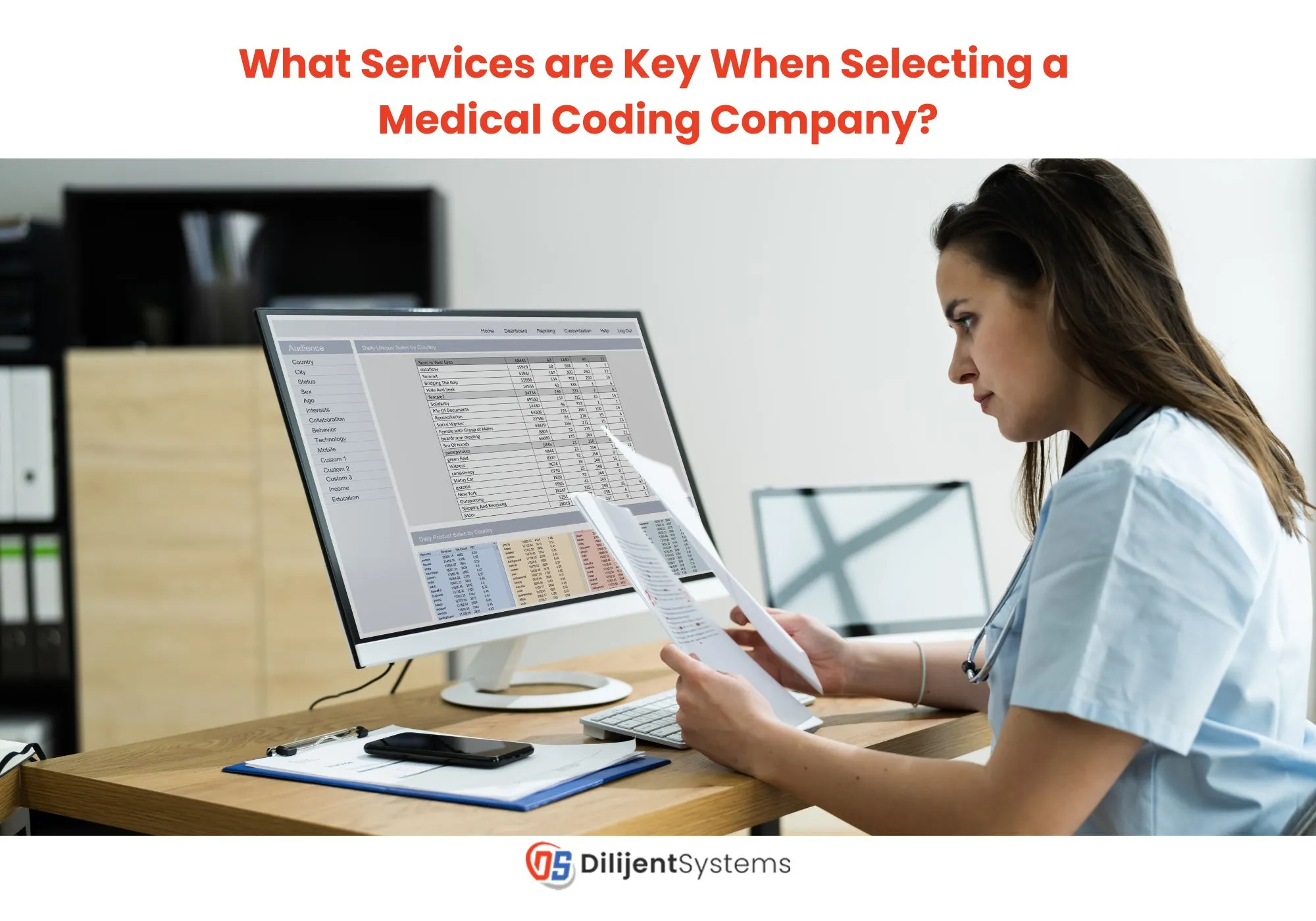
- Hero Image or Video – A professional visual that illustrates the coding process or a satisfied client.
- Call‑to‑Action (CTA) – Position the primary CTA above the fold and repeat it later. Use action verbs like “Get a Free Consultation.”
- Bullet‑Pointed Value Propositions – Highlight key benefits in 3–5 short bullets.
- Social Proof – Logos of partner hospitals, client testimonials, or case study snippets.
- Trust Badges – Certifications, ISO marks, or compliance logos that reassure visitors of credibility.
- Lead Capture Form – Keep it short: name, email, phone, and a dropdown for role or organization size.
- Responsive Design – Mobile users constitute a large share of traffic, especially for decision‑makers on the go.
Crafting Compelling Copy for Medical Coders
Medical coding jargon can feel intimidating, so use plain language while keeping professional tone. Focus on the outcomes coders and billing teams care about:
- Accuracy and Compliance – Emphasize adherence to CPT, ICD‑10, and payer guidelines.
- Speed to Cash – Highlight turnaround times and how quicker coding leads to faster reimbursements.
- Cost Savings – Quantify how reducing denials translates to higher net revenue.
- Support and Training – Mention ongoing education and updates on coding rules.
Keep paragraphs short. Let each sentence deliver one clear idea. If possible, sprinkle in real numbers or percentages—but only if they’re backed by data you can cite elsewhere.
Design Tips to Boost Conversions
Visual hierarchy guides the eye to the CTA. Use a contrasting color for buttons, and keep the page uncluttered. White space is your friend; it reduces cognitive load and signals professionalism. A subtle background gradient can make the content pop without distracting from the message.
Load speed matters—medical professionals rarely wait. Compress images, minify CSS, and leverage browser caching. A fast‑loading page reduces bounce rates and improves search rankings.
Integrating Trust Signals and Social Proof
In the healthcare industry, trust is paramount. Display certifications like Certified Professional Coders (CPC) or Certified Coding Specialists (CCS) next to the headline or near the form. Include short testimonials with real names and titles, and, if possible, link to full case studies. Logos of well‑known hospitals or health systems you serve serve as instant credibility cues.
SEO Best Practices for Medical Coding Landing Pages
Even a brilliant landing page is invisible without proper SEO. Target long‑tail keywords such as “medical coding services for hospitals” or “certified medical coding company.” Optimize title tags, meta descriptions, and header tags. Use schema markup for local business if you serve a specific region. Regularly update the page with fresh content like industry news or coding tips to keep it relevant.
Measuring Success: Analytics & A/B Testing
Set up conversion goals in Google Analytics or your preferred analytics platform. Track metrics like:
- Form submissions per visit
- Bounce rate on the landing page
- Click‑through rate on the CTA button
- Time to conversion
Run A/B tests on headline variations, CTA wording, or form field placement to identify what drives the highest conversion rate. Even a 5‑10% lift can translate to significant revenue gains over time.
Frequently Asked Questions
- What makes a medical coding landing page different from a regular service page? A medical coding landing page focuses on a single call to action, uses industry‑specific language, and emphasizes compliance, accuracy, and speed—key concerns for billing professionals.
- How long should a medical coding landing page be? Ideally 500–800 words: enough to convey value without overwhelming the visitor. Keep sentences short and focus on benefits.
- Do I need a separate page for each specialty coding service? If you offer distinct services (e.g., surgery coding, oncology coding), consider dedicated sub‑landing pages with tailored copy, but keep the main landing page broad to capture the general audience.
- Can I use patient testimonials on a medical coding landing page? If the testimonials specifically address billing accuracy or reimbursement improvements, they are relevant. Ensure you have permission to use them publicly.