Diesel vs. Petrol Trains: How Each Engine Type Powers the Ride
When you hear the rumble of a locomotive, the first question that comes to mind is often “what’s under the hood?” The answer isn’t always obvious, especially because the rail world has experimented with both diesel and petrol powerplants. Understanding diesel vs. petrol trains reveals why one dominates the main lines while the other is relegated to niche roles.
How Diesel Engines Drive Trains
Most modern locomotives rely on a diesel engine, but the engine rarely turns the wheels directly. Instead, the diesel runs a generator or alternator that produces electricity. That electricity then powers traction motors mounted on each axle, delivering smooth, high‑torque thrust. This diesel‑electric setup is prized for its reliability, fuel efficiency, and the ability to control each motor independently—crucial for heavy freight and high‑speed passenger services.
In a smaller subset of diesel locomotives, the power is transmitted hydraulically. A diesel engine drives a hydraulic pump, which powers a torque converter linked to the wheels. While hydraulics can offer rapid response, they’re less common today because diesel‑electric systems have proven more versatile across varied track conditions.
Petrol Engines on Rail: How They Work
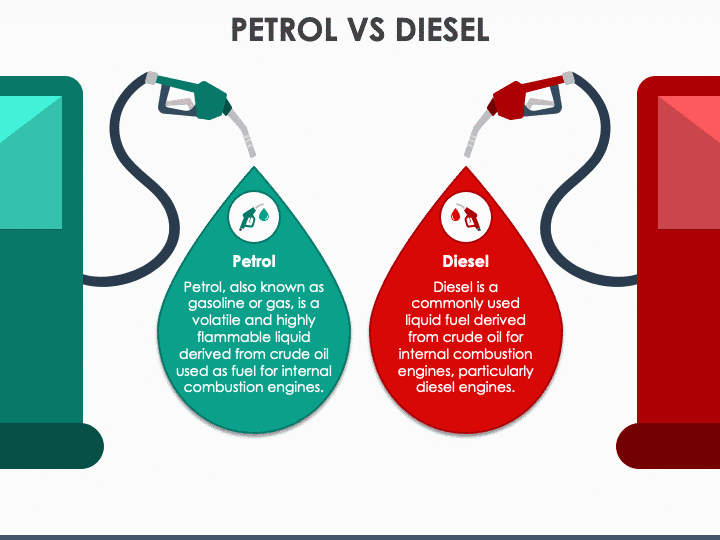
Petrol (or gasoline) engines appeared on rails during the early 20th century, mainly in lightweight railcars and early diesel‑electric prototypes. Unlike diesel, gasoline ignites with a spark plug, which makes the engine smoother at higher revs but also more sensitive to fuel quality. In a petrol‑powered railcar, the engine typically drives the wheels directly through a mechanical gearbox, much like an automobile.
Because petrol engines produce less low‑end torque than diesel, they’re best suited for short, low‑speed routes—think branch lines, tourist trains, or maintenance vehicles. Their simplicity can be attractive for small operators, but the higher fuel consumption and lower durability compared to diesel have limited their widespread adoption.
Key Differences in Power Delivery
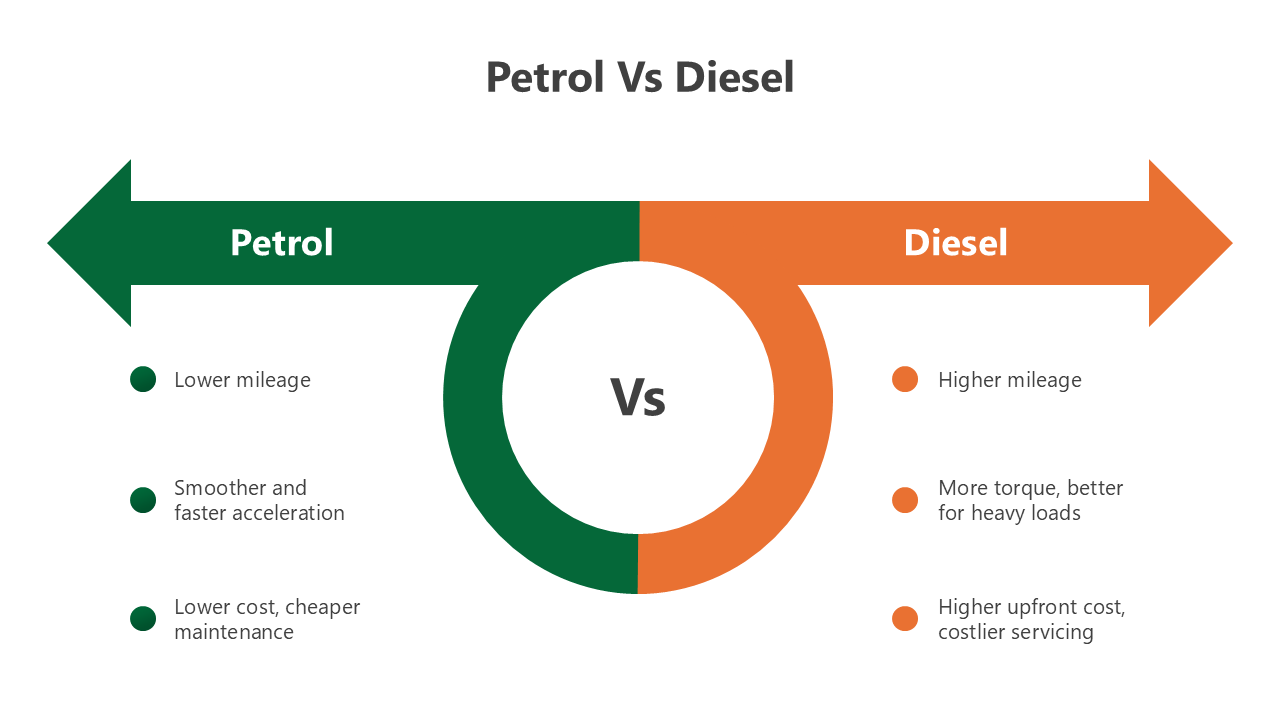
- Torque Characteristics – Diesel engines deliver strong low‑speed torque, essential for pulling heavy loads from a standstill. Petrol engines peak at higher RPMs, making them less effective for heavy freight.
- Fuel Efficiency – Diesel fuel contains more energy per litre, translating to better mileage. Petrol locomotives burn more fuel to achieve comparable power, raising operating costs.
- Maintenance – Diesel engines are built for continuous high‑load operation and tend to have longer service intervals. Petrol engines require more frequent tuning and are more prone to wear under sustained heavy use.
- Environmental Impact – Modern diesel locomotives can meet stringent emissions standards with after‑treatment systems. Petrol engines emit higher levels of hydrocarbons and carbon monoxide, though they’re generally quieter at low loads.
Pros and Cons for Rail Operators
Choosing between diesel and petrol power isn’t just a technical decision; it’s an economic and strategic one.
Diesel Advantages
- High torque for heavy freight and steep grades.
- Established refueling infrastructure worldwide.
- Long service life and proven reliability.
Diesel Drawbacks
- Higher upfront cost for diesel‑electric systems.
- Complex electrical components require specialized knowledge.
Petrol Advantages
- Lower initial purchase price for small railcars.
- Simpler mechanical layout—easier for DIY maintenance.
Petrol Drawbacks
- Poor fuel economy, especially on long hauls.
- Limited torque hampers heavy‑load capability.
- Scarcity of suitable fuel stations on many rail corridors.
Future Trends: Hybrid and Alternative Power
While diesel still dominates, the rail industry is increasingly eyeing hybrid solutions that blend diesel generators with battery packs. These systems can capture regenerative braking energy, reducing overall fuel use. Meanwhile, a few experimental petrol‑electric hybrids have emerged, though they remain niche due to the same torque and efficiency challenges that limit pure gasoline locomotives.
Electrification of main lines continues to grow, but diesel remains the fallback where overhead wires aren’t viable. For short‑distance or heritage lines, petrol‑powered railcars still have a charming, low‑tech appeal—especially for museums that want an authentic early‑20th‑century experience.
Frequently Asked Questions
Which engine type is better for freight trains?
Diesel, because its high low‑speed torque and fuel efficiency make it ideal for hauling heavy loads over long distances.
Are there any modern petrol‑powered passenger trains?
Not in regular service. Petrol engines are mostly confined to heritage railcars, maintenance vehicles, or very short regional routes where diesel infrastructure isn’t present.
Can a diesel locomotive run on gasoline?
No. Diesel engines rely on compression ignition and require diesel fuel’s specific properties. Using gasoline would cause severe engine damage.
Do diesel‑electric locomotives produce more emissions than pure diesel?
They can be cleaner. The electrical generation allows precise control of fuel injection, and modern after‑treatment systems further cut NOx and particulate emissions.