Economies of Scale: What They Mean and Why They Matter
In the world of business, the phrase “economies of scale” pops up whenever a company talks about growth, efficiency, or competitive advantage. It’s a cornerstone concept in economics, yet its real‑world implications are sometimes fuzzy for non‑finance folks. This article unpacks the idea, explains how it works, and shows why it can be a game‑changer for firms of all sizes.
What Exactly Are Economies of Scale?
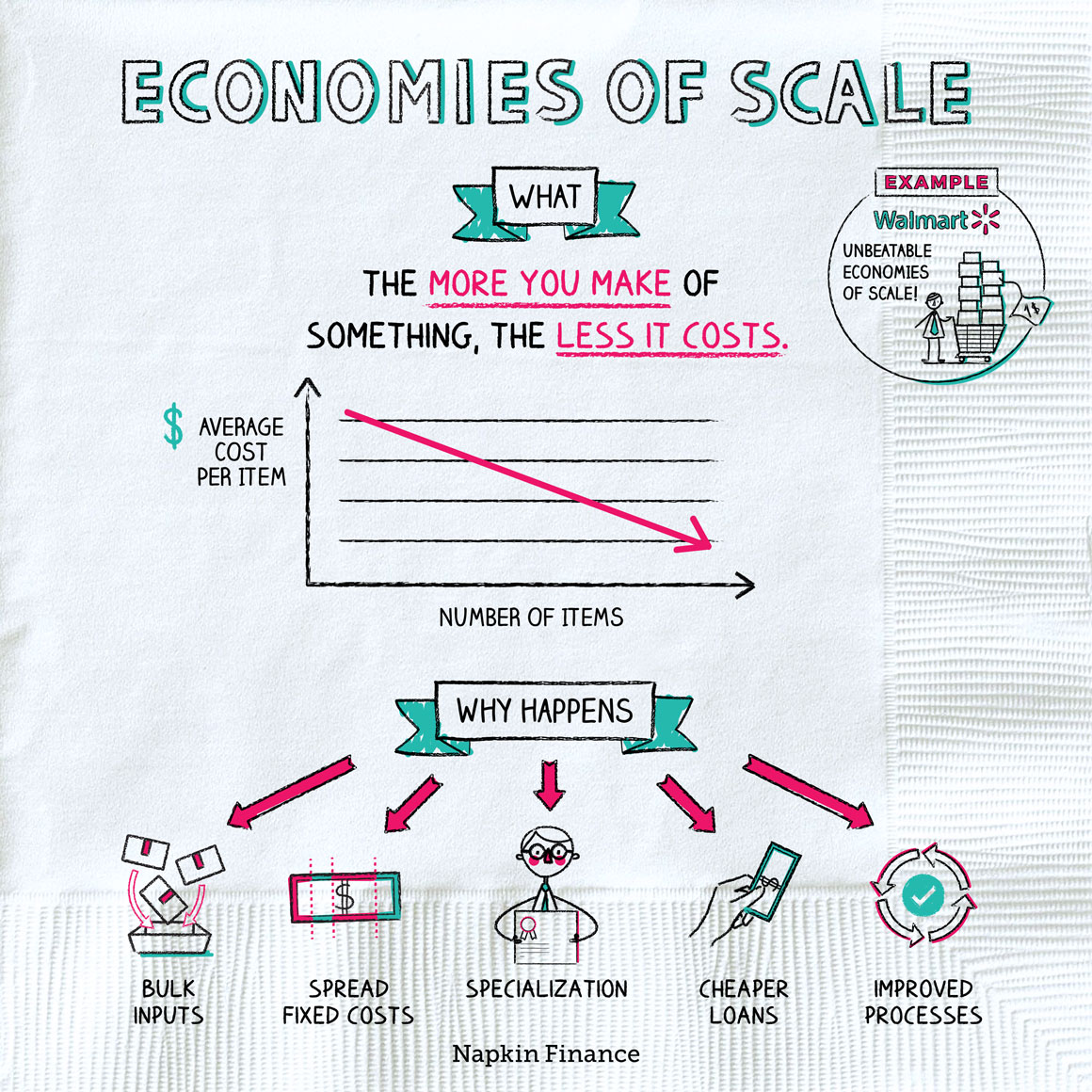
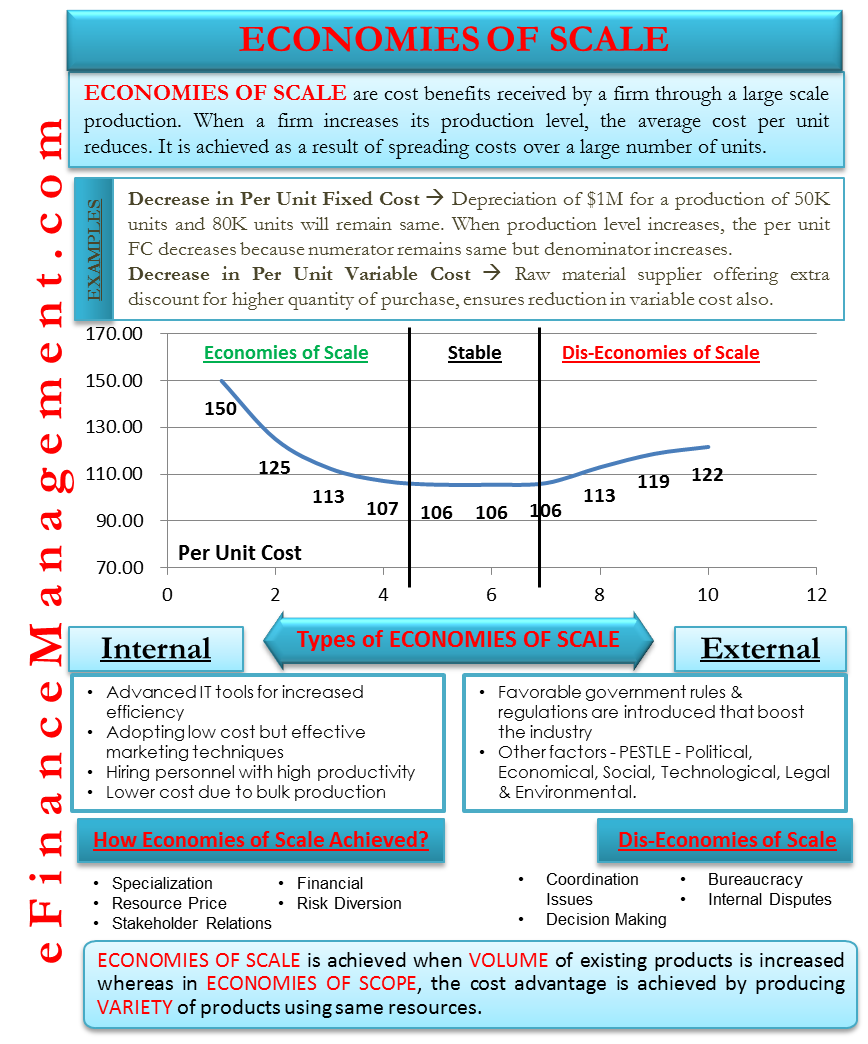
At its core, an economy of scale occurs when the average cost of producing a good or service falls as production volume rises. Think of a factory that can spread its fixed costs—like machinery, building rent, or salaried staff—over many more units. When each unit costs less, the company becomes more efficient and can often undercut rivals on price.
How Does the Cost Structure Shift?
Companies usually face two types of costs: fixed and variable. Fixed costs stay the same regardless of output, while variable costs change with the quantity produced. The magic happens when you add more output: the fixed cost per unit shrinks, while variable costs either stay flat or grow at a slower rate. The net effect is a lower average cost.
- Fixed Cost Dilution: A $1 million investment in a new machine that produces 100,000 units cuts the cost per unit from $10 to $8.
- Bulk Purchasing: Buying raw materials in large quantities often earns discounts that smaller buyers can’t access.
- Process Specialization: Workers become highly skilled at a specific task, reducing the time—and cost—of each unit.
Real‑World Examples
Let’s look at a few industries where economies of scale are plain as day:
- Automotive: Building a single assembly line for a family of models spreads the cost of tooling over thousands of cars, cutting the unit price dramatically.
- Fast Food: Chains like McDonald’s buy ingredients in bulk, use standardized equipment, and train staff the same way, keeping each burger cheap.
- Software: A cloud platform charges a fixed fee to host data for millions of users; the cost per user drops as the user base grows.
Why Do Economies of Scale Matter?
Beyond lower prices, several benefits ripple from larger production scales:
- Competitive Edge: Firms that can sell cheaper often capture more market share.
- Investment Leverage: Lower costs can justify further capital investment, fueling a virtuous cycle.
- Barrier to Entry: Newcomers may find it hard to compete if they cannot match the low unit costs of established players.
- Profitability Boost: Even modest price cuts can translate into significant margin gains when the volume is high.
When Scaling Backfires
Scale isn’t always a silver bullet. Over‑expansion can introduce inefficiencies:
- Operational Complexity: Managing a larger workforce or supply chain can create coordination headaches.
- Quality Dilution: Rapid scaling may lead to rushed processes, compromising product quality.
- Market Saturation: Once the market is saturated, further volume may not translate into sales.
Strategies to Capture Economies of Scale
Companies can pursue several tactics to harness scale benefits without overreaching:
- Modular Production: Design products so that many models share components, enabling bulk sourcing.
- Vertical Integration: Control multiple stages of the supply chain to reduce transaction costs.
- Standardization: Use uniform processes and tools across different product lines to simplify training and maintenance.
- Technology Leverage: Automation and data analytics can identify bottlenecks and optimize resource allocation.
FAQs
Q: Do economies of scale exist in service industries?
A: Yes, but they often involve reducing the cost per customer rather than per unit. Examples include mass‑produced software licenses or call center operations.
Q: Can a small startup enjoy economies of scale?
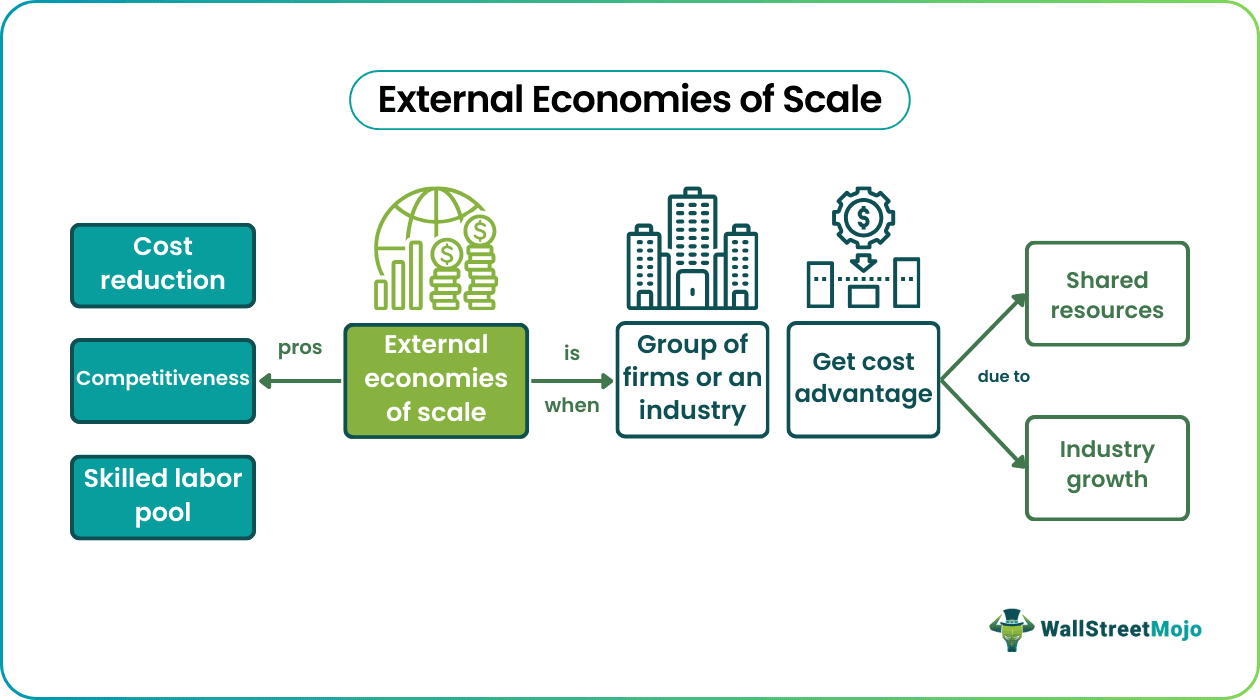
A: While large scale is rare for early‑stage firms, they can achieve micro‑economies of scale by outsourcing or sharing resources with peers.
Q: What is a threshold for economies of scale?
A: The threshold varies by industry. A company typically sees a notable cost drop once its fixed costs are spread over a large enough output volume to justify the investment.