Electro-Mechanical Driving Games Spark a Retro Revival
What Are Electro Mechanical Driving Games?
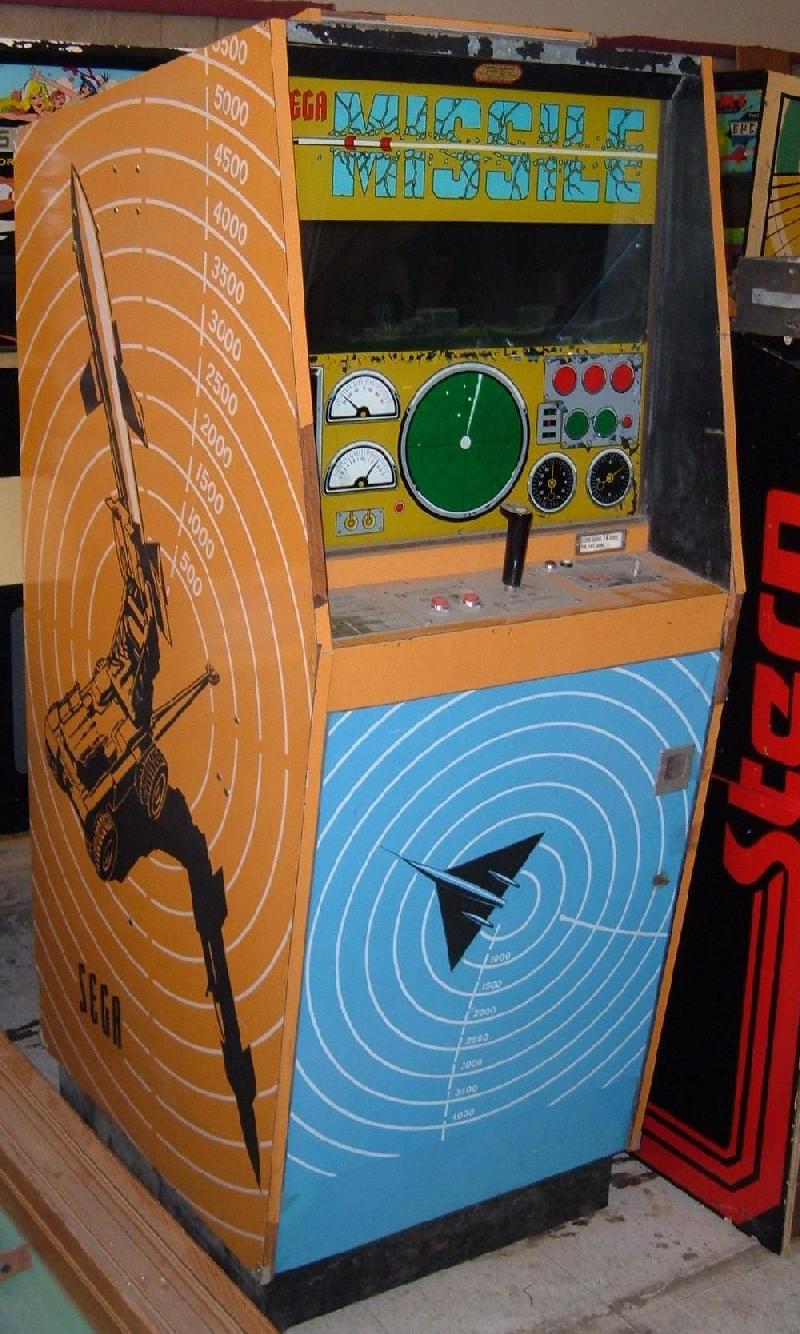
Before the age of high‑definition screens and force feedback wheels, arcade floors were dotted with cabinets that combined lights, motors, and simple electronics to mimic the sensation of steering a car. Those machines—often called electro‑mechanical driving games—used real‑world components such as rotating dials, moving seats, and miniature roadways to deliver a tactile experience that pure video graphics couldn’t match. The term “electro‑mechanical” points to the marriage of electricity and moving parts, a design philosophy that dominated the late‑1970s through the early 1990s.
Today, a new generation of gamers and collectors is rediscovering these relics, treating them less as curiosities and more as a bridge between vintage arcade culture and modern interactive entertainment.
The Technology That Made Them Tick
At their core, electro‑mechanical driving games relied on a handful of clever tricks. Instead of rendering a car on a screen, designers built a scaled‑down road layout—often a painted plastic track—over which a small model car would travel. The player’s steering wheel was connected to a potentiometer, translating rotation into an electrical signal that steered the model via tiny servos.
Speed control came from a simple variable resistor or a basic microcontroller that adjusted a motor’s voltage. Meanwhile, visual feedback was delivered through flashing LEDs, moving scenery on rotating drums, and occasionally a rear‑projection screen that gave the illusion of depth. The combination of physical motion and immediate visual cues created a surprisingly immersive ride, especially given the limited computing power of the era.
From Arcades to Living Rooms: The Revival
Why are these analog marvels resurfacing now? A few factors converge:
- Nostalgia economics. Millennials who spent afternoons at pizza‑parlor arcades now have disposable income and a sentimental urge to own a piece of that history.
- DIY culture. Online forums and maker communities have published schematics, making restoration or even custom builds accessible to hobbyists.
- Hybrid experiences. Modern developers are integrating classic electro‑mechanical cabinets with digital leaderboards, blending analog charm with online competition.
Several boutique manufacturers have responded by releasing limited runs of refurbished units, often upgraded with Bluetooth connectivity for high‑score tracking. Meanwhile, retro‑themed bars and gaming lounges feature these cabinets as centerpiece attractions, drawing both seasoned players and curious newcomers.
Collecting and Playing Today
If you’re tempted to add an electro‑mechanical driving game to your collection, here’s a quick roadmap:
- Identify the model. Classics like Speed Race (1974), Turbo Track (1981), and OutRun Arcade (1993) each have distinct mechanical layouts and rarity levels.
- Inspect the mechanics. Look for smooth wheel rotation, audible motor hums without grinding, and intact track pieces. Replacements for worn gears are often available through specialist suppliers.
- Consider power requirements. Many original cabinets run on 120 V AC but may need a dedicated surge protector to guard against modern voltage spikes.
- Plan for space. These units can be bulky—some exceed three feet in width—so allocate a dedicated floor area with enough clearance for the moving seat.
For those without the room for a full cabinet, smaller tabletop versions exist. They replicate the core steering and speed mechanics on a compact base, offering a taste of the original experience without the logistical headache.
Why the Nostalgia Hits Hard
Beyond the obvious “it’s cool because it’s old” factor, electro‑mechanical driving games tap into a deeper sensory memory. The tactile resistance of a physical wheel, the subtle vibration of a motor, and the glow of analog LEDs create a multi‑sensory loop that flat‑screen simulations struggle to reproduce. This embodied interaction aligns with recent research suggesting that physical feedback can improve engagement and even enhance motor learning.
Additionally, the games embody a design simplicity that feels refreshing amid today’s hyper‑realistic graphics. Players aren’t overwhelmed by menus or complex control schemes; they simply turn the wheel, press the accelerator pedal, and watch a miniature car zip along a track. That immediacy is a reminder of arcade culture’s original promise: instant fun, no tutorial required.
FAQ
Where can I find a refurbished electro‑mechanical driving cabinet?
Specialty auction sites, vintage arcade forums, and a handful of niche retailers (often based in the US and Europe) list refurbished units. Look for sellers that provide detailed condition photos and a warranty on mechanical components.
Do I need special maintenance for these machines?
Regular dusting of moving parts, occasional lubrication of gears, and checking motor brushes for wear are the main tasks. Most owners find that a quarterly inspection keeps the cabinet running smoothly for years.
Can I integrate modern scoring systems with an old cabinet?
Yes. Many hobbyists install a small microcontroller (like an Arduino) that reads the potentiometer signals and transmits scores via Wi‑Fi to online leaderboards. Kits and step‑by‑step guides are widely shared in the retro‑gaming community.
Are there any legal issues with restoring these machines?
Generally, restoring a purchased cabinet is permissible. However, if you plan to replicate copyrighted artwork or software from the original game, you should verify the licensing terms or seek a version that’s been cleared for public use.