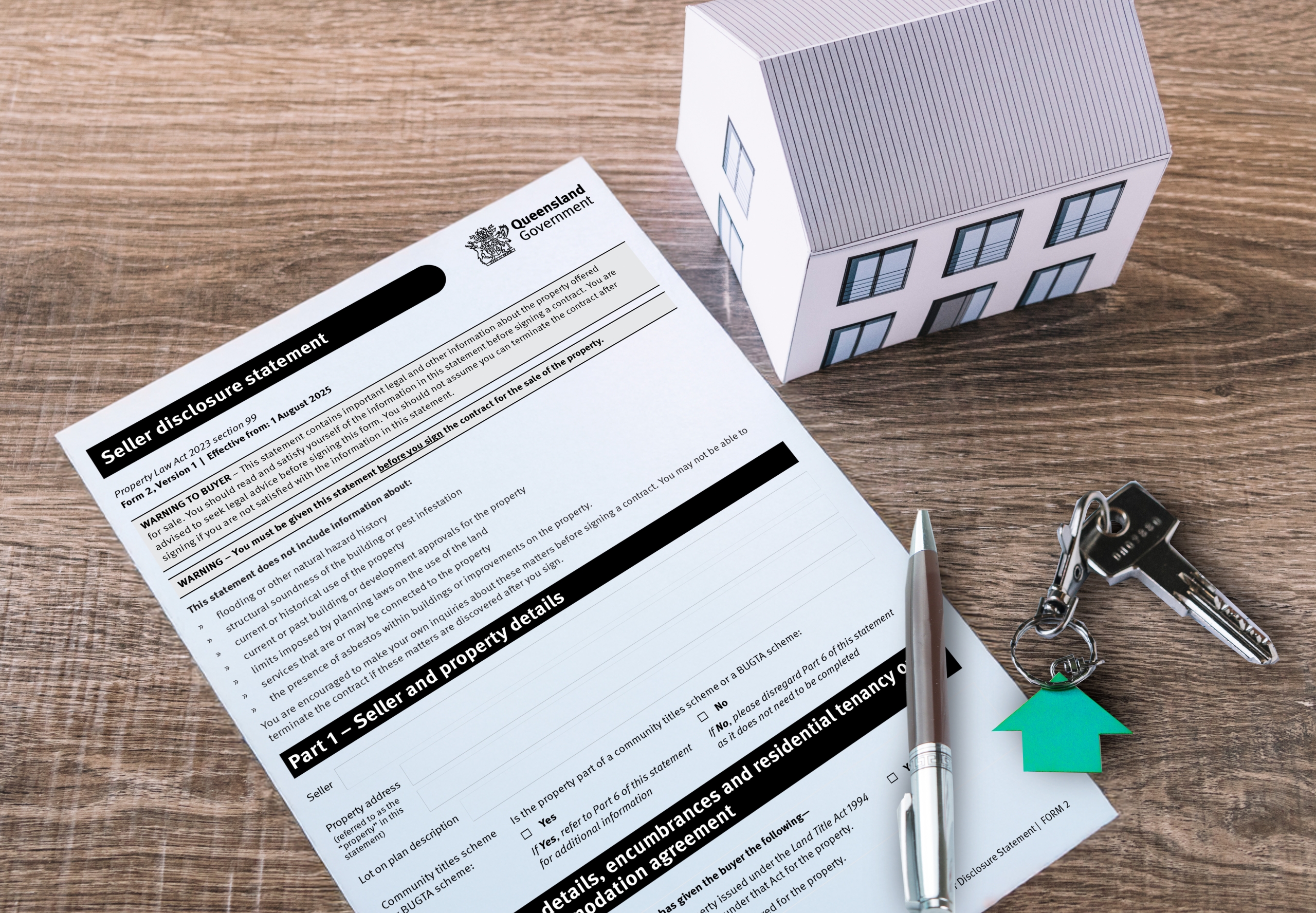
Essential NSW Seller Disclosure: What You Must Reveal to Buyers
When you decide to put a property on the market in New South Wales, the law doesn’t just ask you to list a price and a few photos. The NSW seller disclosure framework obliges you to hand over a clear picture of any issues that could affect a buyer’s decision. Failing to disclose can lead to costly lawsuits, the sale being voided, or a hefty penalty from Fair Trading. Below, we unpack exactly what falls under the mandatory disclosure umbrella, how to organise the information, and the common mistakes that trip up even seasoned sellers.
Why Disclosure Matters in NSW Real Estate
Transparency isn’t merely a nice‑to‑have; it’s a legal requirement under the Home Building Act 1989 and the Fair Trading Act 1987. These statutes aim to protect buyers from hidden defects that could compromise safety or value. If a buyer later discovers an undisclosed problem, they can claim compensation, demand a price reduction, or even rescind the contract. In practice, a thorough disclosure builds trust, speeds up negotiations, and reduces the likelihood of post‑settlement disputes.
Core Items Every NSW Seller Must Disclose
- Structural defects: Any known issues with foundations, walls, roofs, or load‑bearing elements must be reported. Even if a crack seems minor, if a professional has identified it as a symptom of a larger problem, it belongs in the statement.
- Pest infestations: Evidence of termites, carpenter ants, or other wood‑boring insects, as well as any treatments that have been carried out, must be disclosed.
- Council notices and orders: Planning approvals, development applications, compulsory acquisition notices, and any outstanding compliance orders from the local council are mandatory to mention.
- Easements and encumbrances: Rights of way, utility easements, or any third‑party interests that affect the land should be listed.
- Building approvals and permits: If additions, renovations, or extensions were completed without proper consent, you must disclose the lack of approvals and any steps taken to rectify the situation.
- Hazardous materials: Presence of asbestos, lead paint, or contaminated soil must be highlighted, along with any remediation work performed.
- Strata information (if applicable): For units or townhouses, the seller must provide the latest strata levies, by‑laws, minutes of recent meetings, and any known disputes.
- Neighbourhood or environmental concerns: Known flood risks, bushfire zones, or significant noise sources (e.g., nearby airports or train lines) should be communicated.
- Legal disputes: Ongoing litigation involving the property, such as boundary disagreements or insurance claims, must be mentioned.
How to Prepare Your Disclosure Statement
Start by gathering all relevant documentation: council certificates, pest inspection reports, building approvals, and any professional assessments you have. Next, draft a written statement that follows the template supplied by NSW Fair Trading. The form asks for a series of “Yes/No” answers, but you should add brief explanations where a “Yes” applies. Once completed, the statement becomes part of the contract and must be handed to the buyer before settlement.
It’s wise to involve a solicitor or licensed conveyancer at this stage. They can spot gaps, suggest additional disclosures, and ensure the language meets legal standards. Remember, the duty of disclosure continues up to the point of exchange; if you discover a new issue after signing the contract, you must inform the buyer promptly.
Common Pitfalls and How to Avoid Them
- Assuming “No Problems” Means No Disclosure: Even if you haven’t observed a defect, the law expects you to disclose known facts. Ignorance of a hidden issue does not excuse non‑disclosure if the buyer can later prove you were aware.
- Relying on Oral Statements: Anything said verbally during a viewing does not replace a written disclosure. Keep all statements documented and included in the formal statement.
- Over‑looking Minor Repairs: A leaky tap or a cracked tile might seem trivial, but if it signals a larger water‑damage issue, it must be reported.
- Delaying Disclosure: Waiting until the final inspection to reveal a problem can be deemed misleading. Prompt, full disclosure protects both parties.
- Forgetting Strata Details: Unit owners often skip strata minutes or upcoming special levies, which can cause surprise costs for buyers.
When Disclosure Obligations Extend Beyond the Property
In some cases, the seller’s duty reaches into broader contexts. If the property is part of a subdivision, any known defects affecting adjacent lots must be disclosed. Likewise, if you are aware of future council developments that could impact the land’s use or value, sharing that information is advisable—even though the law does not always require it. Providing this extra context can differentiate you from competing sellers and reduce the chance of post‑sale disputes.
FAQ
What happens if I forget to disclose a known defect?
The buyer can claim that the contract was entered into under false pretences. Remedies may include compensation for repair costs, a price reduction, or rescission of the contract altogether.
Do I need a professional inspection before I list the property?
While not mandatory, commissioning a pre‑sale building and pest inspection gives you a clear record of the property's condition. It helps you fill the disclosure statement accurately and can reassure buyers.
Are there any time limits on correcting undisclosed issues after settlement?
Yes. If a defect is discovered within six months of settlement and the buyer can prove it was a pre‑existing condition you failed to disclose, they may still pursue a claim. Promptly addressing any oversight reduces exposure.
How does a strata plan affect the disclosure process?
Strata owners must provide the most recent strata levies, by‑laws, and minutes of meetings. Any pending litigation involving the owners corporation must also be disclosed, as it can affect future costs and rights.