Expert Solutions for Apple Laptop Repair & Troubleshooting
Understanding the Most Common Issues
Before you reach for a screwdriver, it helps to know which problems show up most often on MacBook Air and MacBook Pro models. Battery degradation is a frequent complaint after a few years of heavy use, while the display can suffer from backlight dimming or flicker due to a loose connector. Keyboard keys that feel sticky or stop responding are usually tied to the butterfly or scissor mechanisms introduced in recent generations. Recognizing these patterns saves time and prevents unnecessary part replacements.
Diagnostic Steps You Can Take First
Running Apple’s built‑in diagnostics is a good starting point. Shut down the laptop, then power it on while holding the D key; the diagnostic suite will scan hardware components and report any error codes. If the test points to the logic board or memory, you’ll likely need professional help. For issues that look software‑related, resetting the SMC (System Management Controller) and NVRAM can resolve power and display quirks without opening the case.
Screen and Display Problems
Cracked glass or a completely black screen can be alarming, but many display issues have simpler roots. A loose display cable often causes intermittent flickering; carefully opening the hinge area and reseating the connector can restore normal operation. If the backlight remains dim, the LED strip may have failed and will need replacement. When dealing with Retina displays, it’s crucial to use a reputable supplier for the panel, as the color calibration is tightly matched to the Mac’s graphics processor.
Keyboard and Trackpad Repairs
The shift to butterfly keyboards in 2015 introduced a new set of headaches, especially when dust or crumbs get trapped under the keys. Apple’s “Keyboard Service Program” covered many of these models, but for out‑of‑warranty units a DIY key‑cap removal and thorough cleaning can revive a stubborn key. Scissor‑type keyboards, found on newer models, are more forgiving but still benefit from a gentle brush and compressed air. Trackpad issues often manifest as erratic cursor movement; a worn-out silicone pad or a faulty force‑sensor can be swapped out with a modest investment.
Battery and Power Troubleshooting
Battery health can be checked in macOS under “System Report → Power.” If the cycle count approaches the 1000‑cycle threshold, you’ll notice shorter runtimes and occasional sudden shutdowns. Swelling is a red flag—never ignore a bulging case, as it can damage the internal keyboard. When replacing the battery, use a kit that includes the pentalobe screws and a spudger; the adhesive strips are designed for one‑time use, so have a fresh set ready. After installation, calibrate the new cell by charging to 100 % and then letting it discharge completely.
Software Glitches vs. Hardware Faults
Not every glitch warrants a hardware fix. macOS updates sometimes introduce driver incompatibilities that manifest as random freezes or peripheral failures. Booting into Safe Mode (holding Shift during startup) disables third‑party extensions and can isolate software‑related problems. If the laptop runs smoothly in Safe Mode, the culprit is likely a kernel extension or a corrupted preference file. Conversely, if the machine still behaves oddly, you’re probably looking at a hardware component that needs attention.
When to Seek Professional Help
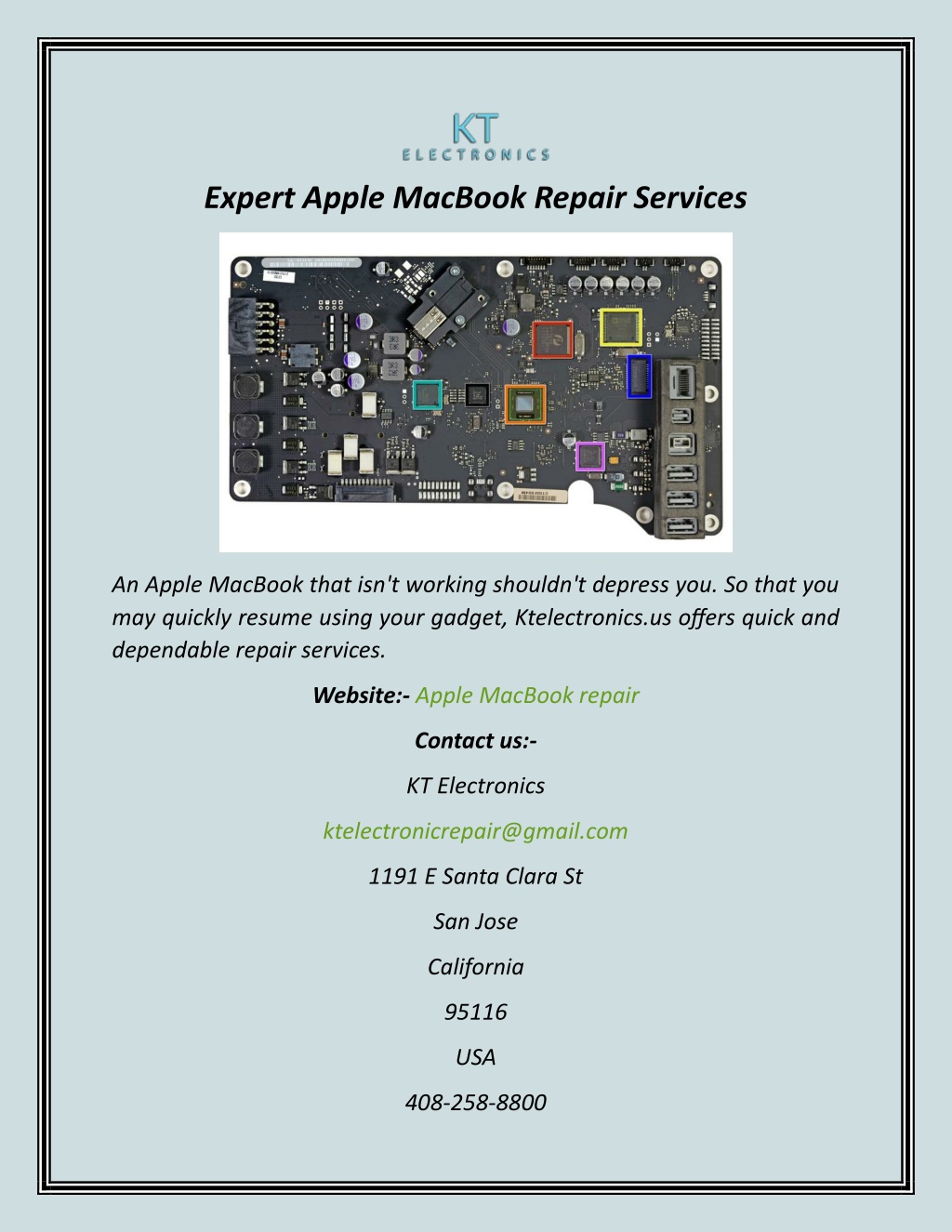
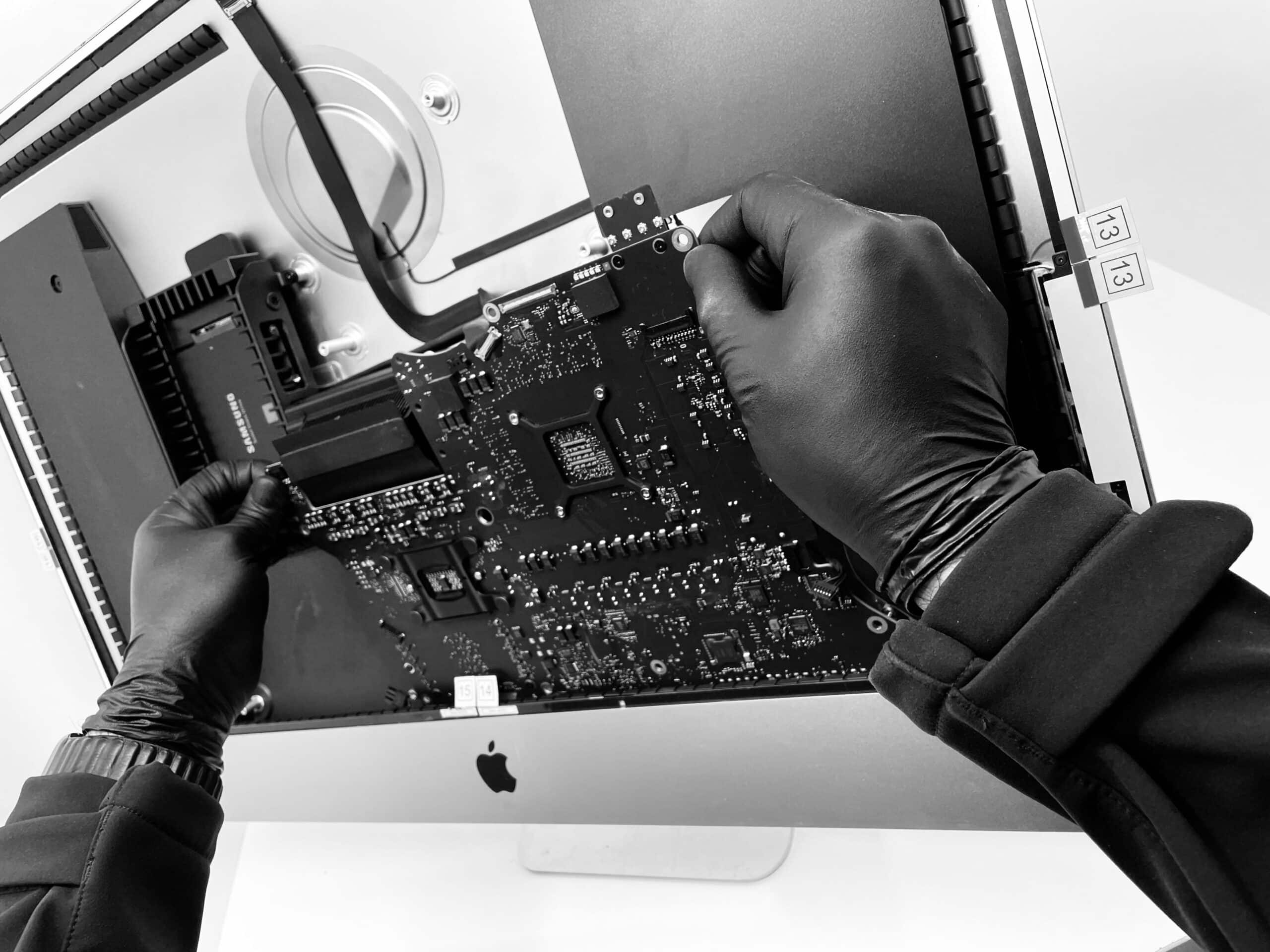
Some repairs demand specialized tools and a clean environment. Logic‑board replacements, for instance, involve delicate solder joints and microscopic connectors that are best handled by an Apple‑authorized service provider. Likewise, water damage often requires board-level cleaning and corrosion mitigation—tasks that are risky for a novice. If your device is still under AppleCare+ or warranty, contacting support first can save you both money and headaches.
Quick Reference Checklist
- Run Apple Diagnostics (hold D at startup).
- Reset SMC and NVRAM before opening the case.
- Inspect the display cable for looseness if flickering occurs.
- Clean keyboard keys with compressed air; consider the service program for butterfly models.
- Check battery cycle count and look for swelling.
- Boot into Safe Mode to differentiate software from hardware issues.
- Consult an authorized provider for logic‑board or water‑damage repairs.
Frequently Asked Questions
Can I replace the battery myself without voiding the warranty?
If the MacBook is still covered by AppleCare+, any self‑service that involves opening the case will void that coverage. However, for out‑of‑warranty devices, using a reputable third‑party kit and following Apple’s official service guide keeps the repair legitimate.
Why does my MacBook suddenly shut down after the lid is closed?
A common cause is a failing battery that can’t sustain the brief power draw when the lid sensor transitions the machine to sleep. Running the battery health check and, if needed, replacing the cell usually resolves the issue.
Is it safe to use third‑party chargers for my MacBook?
Apple’s USB‑C Power Delivery specification is open, so many third‑party chargers work fine. Look for products that explicitly state compliance with USB‑PD and provide the correct wattage for your model; under‑powered adapters can lead to sluggish charging and occasional power‑related errors.