Exploring Every Brand in the Global Stellantis Group
Why Stellantis Matters in Today’s Automotive Landscape
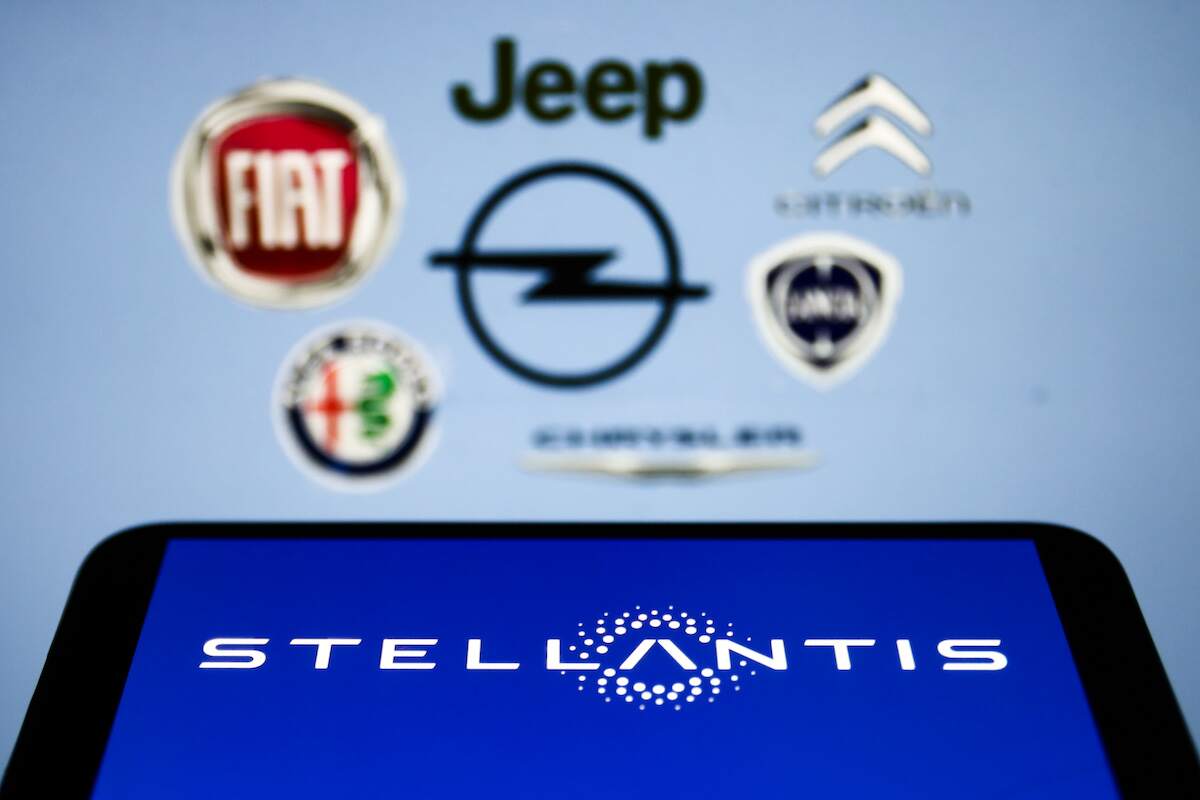
The Stellantis Group, formed in 2021 through the merger of Fiat Chrysler Automobiles and PSA Group, now commands a sprawling portfolio of marques that span continents, market segments, and vehicle categories. With more than a dozen distinct brands under one corporate roof, Stellantis isn’t just a collection of nameplates—it’s a strategic network that balances heritage, innovation, and regional relevance. Understanding which brands belong to the group helps buyers, investors, and car enthusiasts see the bigger picture behind every badge they encounter on the road.
Core European Brands: From Compact to Premium
Stellantis inherited a rich European heritage that still drives a large share of its sales. The most recognizable names include:
- Peugeot – French stalwart known for stylish hatchbacks and an expanding electric lineup.
- Citroën – Celebrated for avant‑garde design and comfort‑focused technologies.
- DS Automobiles – Citroën’s premium offshoot, targeting the luxury‑crossover niche.
- Opel and Vauxhall – German‑British brands that offer practical sedans and SUVs, now re‑engineered on Stellantis platforms.
- Fiat – Italy’s iconic small‑car maker, still beloved for the 500 and its growing EV variants.
- Abarth – The performance arm of Fiat, delivering sportier tuning and limited‑edition models.
- Alfa Romeo – A brand that blends Italian flair with sporty dynamics, currently expanding its SUV range.
- Maserati – The ultra‑luxury marque that brings high‑performance grand touring to the portfolio.
These brands collectively cover everything from city commuters to premium sedans, giving Stellantis a solid foothold across the European market.
North‑American Powerhouses: Trucks, SUVs, and Muscle
Across the Atlantic, Stellantis commands several names that dominate the U.S. and Canadian roads:
- Chrysler – Historically linked to minivans, now revitalized with the Pacifica Hybrid and the sleek 300 sedan.
- Dodge – The badge of muscle, home to the Challenger, Charger, and the ever‑popular Durango SUV.
- Jeep – The quintessential off‑roader, offering everything from the compact Renegade to the legendary Wrangler and the family‑friendly Grand Cherokee.
- Ram – A full‑line truck brand, ranging from the compact 1500 to the heavy‑duty 2500 and 3500 series.
These four pillars provide Stellantis with a robust presence in a market that prizes trucks, SUVs, and performance sedans above most other vehicle types.
Emerging Electric Players: The EV‑Centric Lineup
Stellantis has signaled a clear intention to become a major electric‑vehicle (EV) player. While many legacy brands are transitioning, a few newer names are built around electrification from the ground up:
- Stellantis EV – An internal umbrella for concept cars and future production models that will share platforms across multiple marques.
- Viva – A yet‑to‑launch brand aimed at the Indian market, designed to offer affordable, city‑friendly EVs.
- Electrify America – Not a brand that sells cars, but the group's North‑American charging network that supports all its electric models.
These initiatives illustrate how Stellantis is weaving electrification into its existing brand DNA, rather than treating it as an afterthought.
Commercial and Specialty Vehicles: Workhorses Behind the Scenes
Beyond passenger cars, Stellantis supplies a range of commercial and specialty vehicles that keep businesses moving:
- Fiat Professional – Small vans and light trucks, such as the Ducato and Talento, popular in Europe’s delivery sector.
- Ram Commercial – Full‑size pickups and chassis‑cabs designed for payload and towing.
- Citroën Jumpy/Peugeot Expert – Mid‑size vans that serve as the backbone for many European logistics fleets.
These models often share platforms, allowing Stellantis to achieve economies of scale while offering brand‑specific styling cues.
Regional Nuances: Brands Tailored to Specific Markets
Stellantis doesn’t treat every market the same. Certain marques are emphasized or even exclusive to particular regions:
- Peugeot and Citroën dominate Western Europe, where compact efficiency and design flair sell best.
- Opel/Vauxhall focus on Germany and the UK, leveraging local dealer networks.
- Jeep is a global icon, but its lineup varies—some markets receive the Wrangler 4xe plug‑in hybrid, others only the traditional gasoline models.
- Ram trucks are primarily sold in North America, though Stellantis is testing light‑duty Ram models in select Latin American countries.
This regional tailoring helps the group maximize brand equity while respecting local consumer preferences.
Strategic Synergies: Shared Platforms and Technologies
One of the biggest advantages of housing many brands under a single umbrella is the ability to share underlying architecture. The Common Modular Platform (CMP) underpins several small cars—from the Peugeot 208 to the Opel Corsa—reducing development costs and speeding up EV rollouts. Similarly, the large vehicle platform, known as the STLA Large, will support future Jeep Grand Cherokee EVs, Ram pickups, and even premium Maserati models. By pooling R&D, Stellantis can invest more heavily in autonomous driving, battery tech, and connectivity across its entire brand spectrum.
Future Outlook: What’s Next for the Stellantis Brand Portfolio?
Looking ahead, Stellantis plans to launch at least 30 new EVs by 2027, many of which will bear the familiar badges of its legacy brands. Analysts expect the group to continue consolidating overlapping models—perhaps merging certain Fiat and Peugeot compact cars onto a single platform—while still preserving distinct brand identities. The challenge will be balancing heritage (think of the emotional pull of a classic Jeep or a historic Maserati) with the urgent need for sustainable mobility.
Frequently Asked Questions
Which brands does Stellantis own?
Stellantis’s portfolio includes Peugeot, Citroën, DS, Opel, Vauxhall, Fiat, Abarth, Alfa Romeo, Maserati, Chrysler, Dodge, Jeep, and Ram, plus emerging EV‑focused sub‑brands and commercial‑vehicle lines.
Is Stellantis the largest automaker in the world?
It ranks among the top five global manufacturers by volume, trailing only behind giants like Toyota, Volkswagen, Hyundai‑Kia, and General Motors.
How does Stellantis handle electric vehicle development across its brands?
The group leverages shared platforms such as CMP and STLA, allowing multiple brands to launch EVs with common battery packs and software while still offering brand‑specific styling and features.
Will Stellantis discontinue any existing brands?
There are currently no public plans to retire legacy marques. Instead, the strategy focuses on integrating them onto shared platforms and expanding their electric offerings.