Factoring in Chile: A Quick Guide for Businesses
If you’re navigating cash‑flow challenges in Chile, factoring can be a surprisingly agile solution. Rather than waiting weeks for customers to pay invoices, companies can sell those receivables to a specialized firm and get most of the money upfront. This guide walks you through the basics, the legal backdrop, and practical tips for picking the right partner.
What Factoring Actually Means
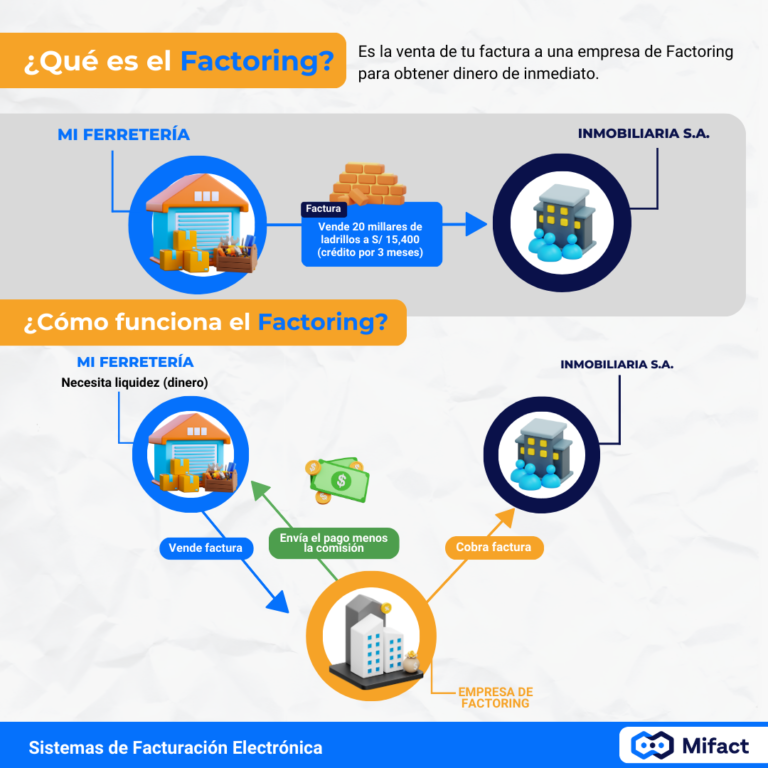
At its core, factoring is a financial transaction where a business transfers its accounts‑receivable to a third‑party — the factor — in exchange for an immediate cash advance, usually between 70% and 95% of the invoice value. The factor then assumes the responsibility of collecting payment from the debtor.
Two things are important to keep straight:
- Recourse vs. non‑recourse: With recourse factoring, you remain liable if the debtor defaults; non‑recourse shifts that risk to the factor.
- Full-service vs. spot factoring: Full‑service contracts cover all invoices over a set period, while spot deals are one‑off arrangements for specific invoices.
How Factoring Works in Chile
The Chilean market has embraced factoring as a mainstream financing tool, especially among exporters, construction firms, and small‑medium enterprises (SMEs). The typical workflow looks like this:
- You deliver goods or services and issue an invoice to your client.
- The invoice is submitted to the factor, who validates its authenticity.
- The factor pays you an advance, often within 24‑48 hours.
- When the client settles the invoice, the factor releases the remaining balance, minus fees.
Because Chile’s banking sector is well‑regulated, most reputable factors are either banks or licensed finance companies overseen by the Superintendencia de Bancos e Instituciones Financieras (SBIF).
Types of Factoring Available
Chilean businesses can choose from a handful of common structures:
- Domestic invoice factoring: Focused on local sales, this is the most straightforward option.
- Export factoring: Helps exporters receive payment in foreign currency while mitigating country‑risk.
- Supply‑chain factoring: Large buyers (often multinationals) arrange factoring for their suppliers to keep the supply chain fluid.
- Maturity factoring: The factor purchases the receivable but waits until the invoice’s due date before drawing down the funds, useful when you prefer to retain control of cash longer.
Why Chilean Companies Turn to Factoring
Beyond the obvious cash‑flow boost, factoring offers several strategic advantages:
- Reduced credit risk: The factor conducts its own credit assessment of your customers.
- Improved balance sheet: Receivables move off your books, potentially enhancing debt‑to‑equity ratios.
- Operational simplicity: You avoid the paperwork and interest calculations typical of traditional loans.
- Flexibility: As your sales grow, the line of credit can expand without renegotiating loan terms.
Typical Costs and Fee Structure
Factoring isn’t free, but the pricing is usually transparent. Common charges include:
- Discount rate: A percentage of the invoice amount, ranging from 1% to 4% per month, depending on the client’s creditworthiness and the factor’s risk appetite.
- Service fee: A flat fee per invoice or a monthly retainer for full‑service contracts.
- Administrative costs: Minor charges for document handling, often waived for high‑volume clients.
Because rates are negotiated, it’s wise to compare at least three providers before committing.
Choosing the Right Factoring Provider
Not every factor is created equal. Here are three criteria to weigh:
- Regulatory standing: Verify that the firm is registered with the SBIF or the Comisión para el Mercado Financiero (CMF).
- Industry experience: Some factors specialize in agriculture, mining, or tech startups; alignment can speed up approvals.
- Service level: Look for clear turnaround times, dedicated account managers, and digital portals for invoice submission.
When possible, ask for references from businesses similar to yours. A factor that understands the nuances of Chilean commercial law will navigate disputes more smoothly.
Legal and Regulatory Landscape
Factoring in Chile is governed by the Civil Code, the Commercial Code, and specific regulations issued by the CMF. Key points to remember:
- Factoring contracts must be in writing and clearly state the recourse terms.
- The factor must notify the debtor of the transfer, although this notice is often handled automatically by the factor’s platform.
- In the case of non‑recourse factoring, the factor assumes the credit risk, but the contract may still include a “bad debt reserve” clause.
Because the legal framework is relatively mature, disputes are rare, but it’s still advisable to involve a local attorney when drafting the agreement.
Common Pitfalls and How to Avoid Them
Even seasoned entrepreneurs can stumble if they overlook a few details:
- Over‑factoring: Selling too many invoices can signal financial distress to your customers.
- Neglecting due‑diligence: Some factors charge low rates but hide hidden fees in the fine print.
- Ignoring currency risk: Export factoring often involves U.S. dollars or euros; ensure the factor offers clear FX conversion terms.
A quick audit of your receivables and a clear understanding of fee structures will keep the arrangement beneficial.
Quick Checklist Before You Sign
- Confirm the factor’s SBIF/CMF registration.
- Clarify whether the contract is recourse or non‑recourse.
- Understand the discount rate and any additional service fees.
- Verify the factor’s process for notifying your customers.
- Ask about turnaround time for advances.
FAQ
Is factoring considered a loan?
No. Factoring is a sale of receivables, not a debt. You’re not borrowing money; you’re converting an invoice into cash.
Can I factor invoices for a single client?
Yes. Spot factoring allows you to submit individual invoices, which is useful if you have a large order from a new buyer.
Do I need to have a bank account in Chile to use factoring?
Most factors require a local bank account for the cash advance, but some international providers can work with foreign accounts, especially for export transactions.
What happens if my customer refuses to pay?
In a recourse arrangement, you remain liable and must reimburse the factor. In non‑recourse factoring, the factor bears the loss, though they may have reserve provisions outlined in the contract.
.png?width=1062&height=702&name=Quién toma la responsabilidad del pago de la factura - visual selection (1).png)