Find Your Local IP Address Fast: A Simple How‑To
Ever needed to know the little number that identifies your computer on your home network? That’s your local IP address, and finding it is usually a matter of a few clicks or a quick command. Below you’ll see step‑by‑step instructions for the most common platforms, plus a handful of tips to keep you from getting tripped up.
What Is a Local IP Address?
A local IP address is the numeric label your router assigns to each device inside your private network. It usually looks like 192.168.x.x or 10.x.x.x. Unlike the public IP you see when you search “what is my IP”, the local address never leaves your home or office – it’s only meaningful to the devices sharing the same router.
Why You Might Need It
- Setting up file sharing or remote desktop connections.
- Configuring network‑attached storage (NAS) or printers.
- Diagnosing connectivity issues with ping or traceroute.
- Running a local development server that other devices must reach.
How to Find My Local IP Address on Windows
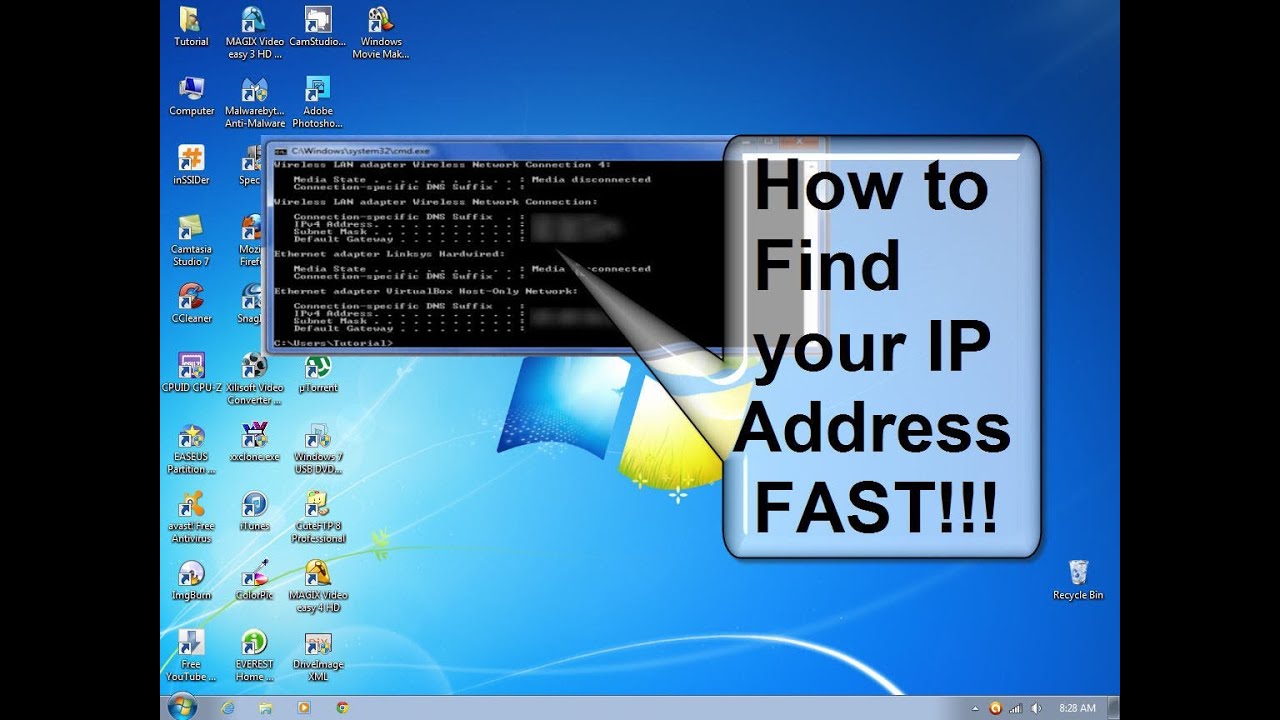
The quickest way on a Windows PC is to open the Command Prompt.
- Press Win + R, type
cmd, and hit Enter. - In the black window, type
ipconfigand press Enter. - Look for the line that reads “IPv4 Address”. That string of numbers is your local IP.
If you prefer a graphical route, go to Settings → Network & Internet → Status → View network properties. Scroll down and you’ll see the IPv4 address listed.
How to Find My Local IP Address on macOS
macOS offers both a System Preferences pane and a Terminal command.
- Open System Preferences, click Network, select your active connection (Wi‑Fi or Ethernet), and you’ll see the IP address displayed on the right.
- Alternatively, launch Terminal (found in Applications → Utilities) and type
ifconfig | grep inet. The first address that isn’t127.0.0.1is your local IP.
How to Find My Local IP Address on Linux
Linux users can rely on a single command in most distributions.
- Open a terminal window.
- Enter
hostname -I(capital i). The output will be one or more IPs; the first is typically the one you need. - If you prefer the classic
ifconfigtool, you might need to installnet‑toolsfirst. Then runifconfigand locate the “inet” line under the relevant interface.
How to Find My Local IP Address on Mobile Devices
Both Android and iOS hide the information in the Wi‑Fi settings.
- Android: Open Settings → Network & internet → Wi‑Fi, tap the connected network, and look for “IP address”.
- iOS: Go to Settings → Wi‑Fi, tap the “i” icon next to your network, and the IPv4 address appears under “IP Address”.
Common Pitfalls and Tips
Even after you’ve found an address, a few hiccups can still arise.
- Multiple adapters – laptops often have both Ethernet and Wi‑Fi adapters; make sure you’re looking at the right one.
- Dynamic vs. static – most home routers assign IPs dynamically via DHCP, which means the address can change after a reboot. If you need a permanent address, reserve one in the router’s admin panel.
- IPv6 confusion – newer devices also show an IPv6 address (a long string with colons). For most local‑network tasks, you’ll want the IPv4 address.
Quick Recap: One‑Liner Commands
- Windows:
ipconfig - macOS:
ifconfig | grep inet - Linux:
hostname -I
FAQ
Q: Can I use the same local IP address on two devices?
A: Not safely. If two devices share an IP, they’ll clash and network traffic will be unpredictable. Assign a different address or let the router manage them.
Q: Why does my local IP start with 10.x.x.x instead of 192.168.x.x?
A: Both ranges are private. Some routers default to the 10.x.x.x block, especially in business environments, but the function is identical.
Q: How do I find the local IP of a device that’s currently offline?
A: You can check the router’s DHCP client list (usually under “Attached Devices” or “Connected Clients”). The entry will show the last known IP.
Q: Is the local IP the same as the MAC address?
A: No. The MAC address is a hardware identifier, while the IP address is assigned by the network. They serve different purposes.