Fine‑Tuning Pneumatic Speed Controls for Better Performance
When a factory line races ahead or stalls, the culprit is often a tiny component that many overlook: pneumatic speed control fittings. These devices regulate airflow to actuators, dictating how fast a cylinder or motor moves. Getting the flow just right can shave seconds off a cycle, reduce wear, and keep energy bills in check. Below you’ll find practical adjustment tips that blend theory with hands‑on tricks, so you can fine‑tune your system without a Ph.D. in fluid dynamics.
Pneumatic Speed Control Fittings and Adjustment Tips
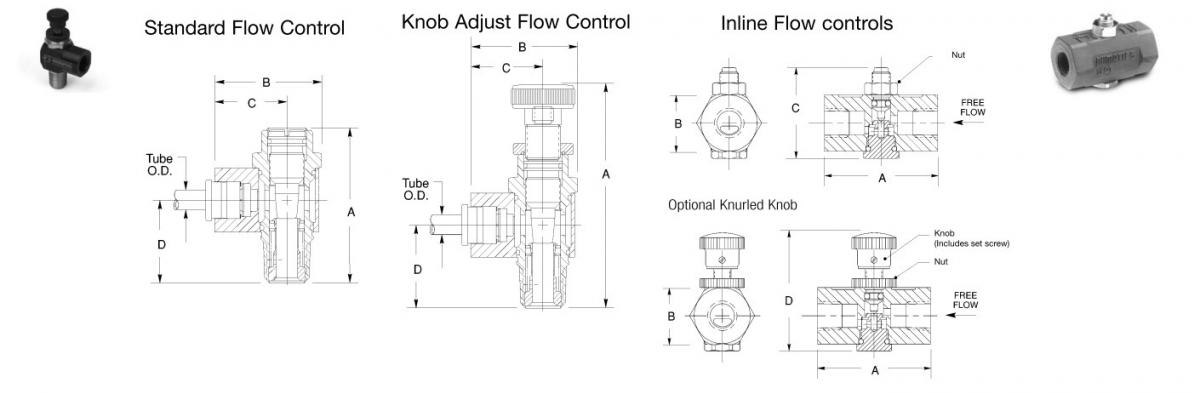
At their core, speed control fittings are essentially variable orifice valves. By changing the size of the opening, they throttle the amount of compressed air reaching the actuator. The two most common families are needle‑type valves and proportional flow restrictors. Needle valves let you turn a small screw to narrow or widen the passage, while proportional restrictors use a spring‑biased piston that reacts to pressure changes. Both give you a way to dial in the exact speed you need, but each has its own quirks.
Understanding the Role of Speed Control Fittings
Think of a speed control fitting as the throttle on a car. Too much air, and the cylinder whips forward, potentially slamming into the next station. Too little, and the stroke drags, causing bottlenecks downstream. Because pneumatic systems are compressible, the relationship between pressure, flow, and speed isn’t linear; a small tweak can have a surprisingly big impact.
- Pressure drop across the fitting determines the effective flow rate.
- Orifice size controls how much of the source pressure actually reaches the actuator.
- System dynamics—such as pipe length, valve response time, and load inertia—interact with the fitting to shape the final speed curve.
Common Mistakes When Adjusting Flow
Even seasoned technicians slip up. One frequent error is “over‑tightening” a needle valve, which can create a cavitation‑like effect and make the actuator chatter. Another is ignoring the effect of upstream filters; a clogged filter raises inlet pressure, misleading you into thinking the fitting is set too loose. Finally, many forget to account for temperature shifts; colder air is denser, so the same orifice will deliver more force at low temperatures.
Step‑by‑Step Adjustment Procedure
Follow this simple routine the next time you need to tweak a line speed:
- 1. Record baseline data. Measure the actuator’s travel time at the current setting, noting supply pressure and ambient temperature.
- 2. Isolate the fitting. Shut off the downstream valve and depressurize the line to avoid sudden releases while you work.
- 3. Make incremental changes. Turn the needle valve one click (approximately ¼ turn) and re‑pressurize. Observe the change in speed; if the effect is too subtle, add another click.
- 4. Verify with load. Re‑introduce the downstream valve and run the actuator under typical load conditions. Speed should meet the target without overshoot.
- 5. Document the setting. Write the final knob position, pressure reading, and observed cycle time in a maintenance log. Future adjustments become a matter of reference, not guesswork.
Choosing the Right Fitting for Your Application
If you’re still debating needle versus proportional, ask yourself three questions:
- Do you need continuous adjustment during operation? Proportional restrictors excel here because they self‑adjust with pressure changes.
- Is the system subject to frequent start‑stop cycles? Needle valves are more robust against wear from repeated manual tweaking.
- What’s the budget? Needle valves are usually cheaper, but the time saved with a proportional device can justify the higher upfront cost.
In practice, many plants start with a needle valve for initial set‑up and later replace it with a proportional unit once the process is locked down.
Maintenance Practices to Keep Settings Stable
Even the best‑tuned fitting will drift over time if the surrounding hardware isn’t cared for. Here are a few low‑effort habits that pay off:
- Check filter elements monthly; replace them before pressure loss exceeds 10 % of the nominal supply.
- Lubricate the valve stem of needle types with a light pneumatic‑compatible oil every six months to prevent sticking.
- Inspect seals for cracks or wear—especially if you notice a slow loss of pressure after a weekend shutdown.
- Run a quick “pressure‑drop test” after any major maintenance: measure inlet and outlet pressure with the valve fully closed, then fully open, and compare to the manufacturer’s spec sheet.
FAQ
What is the difference between a needle valve and a proportional flow restrictor? A needle valve offers manual, stepwise control by turning a screw that changes the orifice size. A proportional restrictor automatically adjusts flow based on pressure changes, providing smoother, continuous speed variation.
How often should I recalibrate pneumatic speed control fittings? For high‑precision applications, check settings quarterly. For general production lines, an annual review combined with routine filter checks is usually sufficient.
Can temperature fluctuations affect speed control? Yes. Cooler air is denser, delivering more force through the same orifice. It’s wise to record ambient temperature when setting the fitting and adjust if the environment varies significantly.
Is it safe to adjust fittings while the system is pressurized? Only if the fitting is designed for hot‑tapping and you’re using proper safety equipment. Most adjustments should be made with the line depressurized to avoid accidental release of compressed air.