Fixing Your Car Audio A Complete Guide
There is nothing quite like the frustration of hitting a high note in your favorite song, only to be met with a tinny, distorted crunch or, worse, complete silence. We’ve all been there. You’ve got the tank full, the GPS is locked in, and the playlist is curated for perfection, but the sound system is betraying you. It’s not just an annoyance; for many of us, the car is the primary space for music, podcasts, and connection, making a broken audio system feel like a significant downgrade in quality of life.
The good news is that you rarely need a fortune or a degree in electrical engineering to fix it. Most car audio issues are either simple connections, settings mix-ups, or minor component failures that are easily resolved with a little patience and the right approach. Fixing your car audio can be as simple as adjusting a crossover setting or as involved as replacing a behind-the-dash amplifier. Before you sprint to a dealership or pay for a mobile repair service, let’s walk through how to diagnose and repair the most common issues yourself.
Diagnose Before You Replace
The number one mistake people make when tackling car audio repairs is buying parts immediately. It is incredibly tempting to see one speaker failing and assume the speaker is dead, leading to a purchase of a new set. But in the world of older car stereos, the culprit is rarely the speaker cone itself. It is usually the signal getting to it.
Start by isolating the problem. Is the issue affecting all channels, or just the left or right side? Does it happen regardless of the source (radio, Bluetooth, USB)? If the problem persists across everything, the issue likely lies with the deck (head unit) or the main amplifier. If it happens only on one specific speaker, look at the wiring and that specific driver. Swapping the left and right speaker wires at the head unit is a brilliant old-school trick. If the noise switches sides after you swap the wires, your head unit is the problem. If the noise stays on the same physical speaker, you’ve got a wiring or speaker issue. This simple test saves you from buying new speakers when you really needed a new deck.
The Usual Suspects: Wiring and Connections
If you are dealing with an older vehicle, or even a modern one that has seen some salt roads, connection integrity is your first line of defense. Car audio systems vibrate constantly. Over time, these vibrations can loosen pins in the back of the head unit or corrode connectors behind the dash.
- Inspect the Speaker Wire: Look for any exposed copper wires touching the car’s metal chassis. This is a short circuit waiting to happen and is the fastest way to blow a fuse or damage an amp channel.
- Check the Ground Connection: A loose ground wire is responsible for a massive percentage of "bad audio" tickets. If your system sounds fuzzy, has a constant humming noise, or the head unit dies when you roll down the windows, chase down that black ground wire. It needs to be bolted to bare metal, not paint. Scraping away the paint and tightening that bolt often solves major noise floors.
- Fuses: It feels silly, but check them. A blown fuse in the deck or the amplifier will kill the signal to a specific zone. If your rear speakers died suddenly, check the fuse box for a blown speaker fuse.
Amplifier Issues and Power Fails
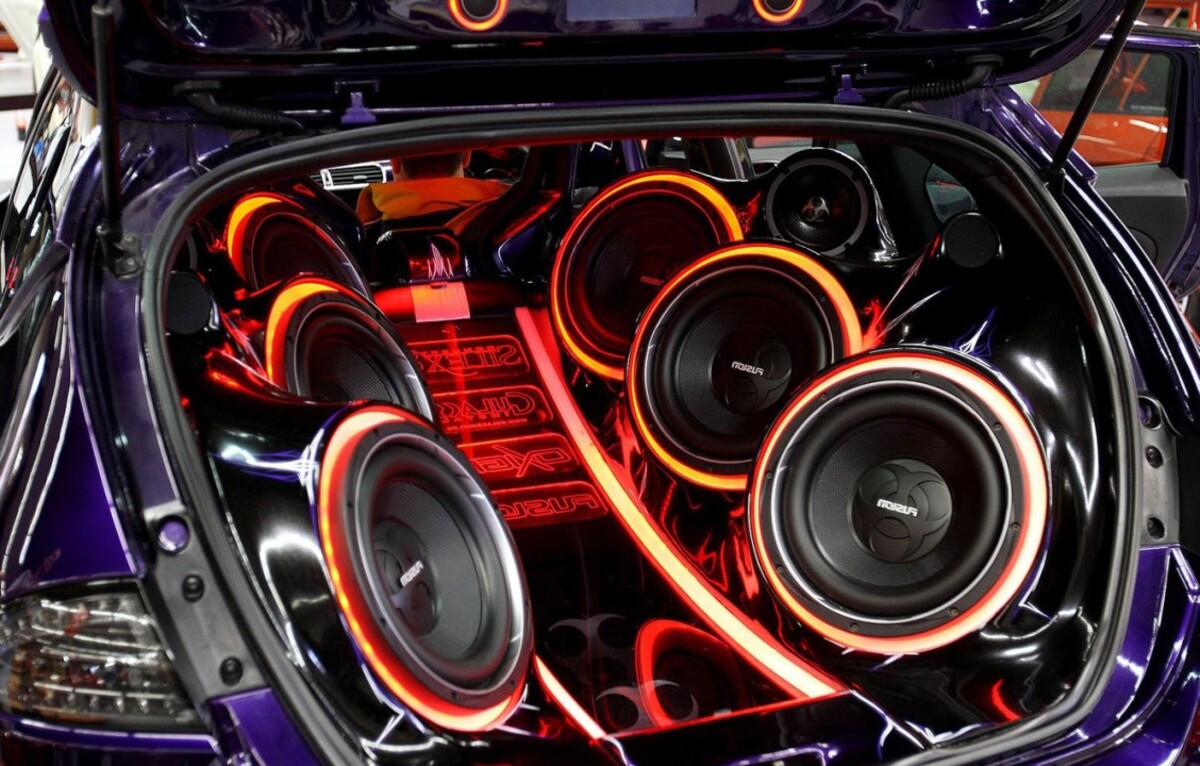
Adding an amplifier is the best way to upgrade a stock system, but it is also where things get electrically complex. If your amp has power but no sound, or if it cuts out during heavy bass hits, you are likely looking at either an impedance mismatch or a power issue.
When an amplifier feels hot to the touch or smells like burning insulation, unplug it immediately. Overheating is the silent killer of car audio electronics. Ensure your amp has adequate airflow. Many people stuff amplifiers under seats in cramped spaces with no ventilation. The wires can also be the problem here. If you are powering a high-wattage amp with undersized speaker wire, the resistance creates heat. You need thicker gauge wire (like 12-gauge or 10-gauge) to carry the power safely from the amp to the subwoofer.
Another common head-scratcher is sensitivity or gain settings. If you have your amp’s "Gain" knob cranked all the way up, you aren't getting more power; you are injecting noise. Set your source unit to about 75% volume, then slowly raise the amp’s gain until you hear the very onset of distortion, then back it off slightly. Many people think they need to max this out, which actually clips the signal and ruins the sound quality.
When to Replace The Speaker
Sometimes, despite your best efforts, the driver itself is toast. You’ll know this if you see a torn or separated surround (the rubber or foam edge), or if the voice coil is completely separated from the magnet structure. You might feel hot spots on the cone if you touch it gently—though be careful, not to damage it further.
If the speaker is blown, you don't necessarily have to buy brand-new audiophile gear. You can often try matching the failed speaker with an identical unit from a different location in your car to equalize the sound stage while you research upgrades. When replacing, always match the impedance (usually 4-ohms) and power handling. Putting a 100-watt speaker on a 500-watt amp is a recipe for a quick, expensive silence.
Proactive Maintenance Matters
Fixing a broken system is satisfying, but preventing the breakdown is smarter. Regularly check your connections if you listen at high volumes. Keep the area behind your amp clean and dust-free. Don't run your bass so high that your rear view mirror starts reflecting your suspension travel; that kind of excursion strains wiring and speaker cones alike.
By taking a methodical approach—checking sources, troubleshooting the signal path, and verifying electrical connections—you can solve the vast majority of car audio headaches. The reward isn’t just saving money on a tow truck or a repair shop visit; it’s getting your music back exactly the way it was meant to be heard.
Frequently Asked Questions
Why does my car radio work but my speakers don't?
This usually points to a wiring fault between the radio (or amplifier) and the speakers, or a blown fuse in the speaker circuit. Check for loose connections or a dedicated speaker fuse in your fuse box.
Can a bad battery affect my stereo sound?
Yes. A dying alternator or battery can cause voltage drops. When the voltage fluctuates, sensitive electronics like amplifiers may shut down or produce static and noise. You’ll often notice the dimming lights above.
How do I fix a buzz in my car stereo?
A buzz is almost always an interference or grounding issue. Ensure your ground wire is attached to bare metal and secured tightly. Also, try rerouting your amplifier input wires away from power cables to reduce electromagnetic interference.
Is it safe to replace car speakers myself?
Generally, yes. As long as you disconnect your car battery first to prevent shorts, swapping rear door speakers or factory subs is usually a bolt-on, plug-and-play job with a standard Allen key or socket set.