From Headlines to Reality: Why U.S. Death Rumors Don’t Hold Up
When a headline screams that “U.S. deaths have spiked” or that a particular event has claimed dozens of lives, the reaction is instant—shares skyrocket, comments ignite, and anxiety spreads. Yet more often than not, the numbers behind those stories crumble under scrutiny. Understanding why these rumors fail to stand up requires a look at how information travels, who checks it, and what tools you can use to separate fact from panic.
The Anatomy of a Death Rumor
Rumors about fatalities typically follow a predictable pattern. A single, often anonymous, source posts a dramatic claim on social media. Within minutes, the post is reshared, sometimes stripped of context, and eventually makes its way to a headline‑grabbing article. By the time a reputable outlet picks up the story, the original numbers have already been amplified, misquoted, or outright fabricated.
Two psychological forces fuel this cycle. First, the availability heuristic makes vivid, tragic images feel more common than they are. Second, the negativity bias means we pay more attention to bad news, giving it a larger platform than ordinary, less sensational statistics.
How Fact‑Checkers Verify Fatality Claims
Professional fact‑checking teams use a layered approach to confirm—or debunk—death reports. Here’s a snapshot of the process:
- Source tracing: Identify the original author of the claim and assess their credibility. Government agencies, such as the CDC or state health departments, are considered primary sources.
- Data cross‑check: Compare the alleged numbers with official mortality databases, emergency management updates, or hospital press releases.
- Contextual analysis: Examine whether the reported deaths fit known patterns (e.g., seasonal flu spikes) or if they conflict with recent trends.
- Independent corroboration: Seek confirmation from multiple, unrelated outlets. A single report without secondary verification raises red flags.
When a rumor fails any of these steps, fact‑checkers typically label it as “unverified” or “misleading,” often providing a clear, data‑backed rebuttal that readers can reference.
Common Sources of Misleading Death Reports
Not every false claim is born of malicious intent. Several recurring sources contribute to the noise:
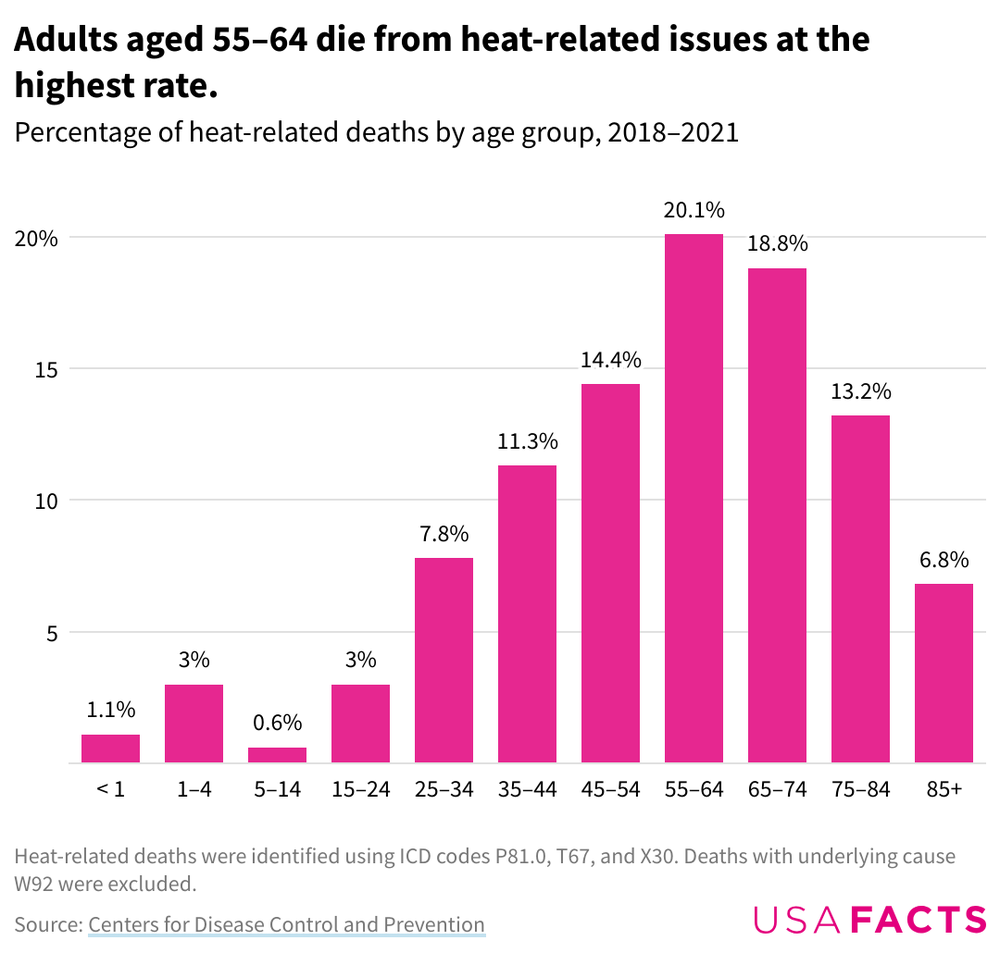
- Misinterpreted charts: A graph showing a rise in a specific cause of death can be taken out of context, suggesting a broader crisis.
- Local incidents blown up nationally: A tragic accident in a small town might be reported as a nationwide trend because the headline emphasizes the shock factor.
- Bot accounts and coordinated campaigns: Automated profiles often amplify sensational claims to drive engagement or push an agenda.
- Outdated data: Using last year’s figures for a current story creates the illusion of a spike when the numbers are simply stale.
Recognizing these patterns helps you ask the right questions before accepting a death statistic at face value.
What You Can Do to Spot False Death Claims
Empowering yourself with a few practical habits can dramatically reduce the spread of misinformation:
- Check the date. A claim about “today’s death toll” that references a report from months ago is a red flag.
- Look for official sources. Government health departments, the CDC, or reputable research institutions rarely issue sensationalist headlines.
- Scrutinize the language. Phrases like “unconfirmed reports” or “sources say” should prompt you to dig deeper.
- Compare numbers. If a story says “1,200 deaths in 24 hours,” see whether that aligns with the average daily mortality rate—roughly 7,700 in the United States.
- Use fact‑checking sites. Organizations such as Snopes, PolitiFact, or FactCheck.org maintain searchable databases of debunked rumors.
By taking a moment to verify, you not only protect your own understanding but also help curb the cascade of panic that fuels further false reporting.
Why Rumors Persist Despite Evidence
Even when corrected, false death reports often linger in public memory. The “continued influence effect” shows that once an idea takes hold, it can be difficult to dislodge, especially if it aligns with existing fears or biases. Social media algorithms also tend to resurface controversial content, giving it a second life.
Moreover, corrective information sometimes lacks the emotional punch of the original claim. A stark headline about “hundreds dead” triggers an immediate visceral response, whereas a nuanced clarification—“the numbers were overstated after a data entry error”—doesn’t provoke the same reaction.
Understanding these dynamics doesn’t excuse the spread of misinformation, but it does highlight why proactive verification is essential. The goal isn’t just to debunk a single rumor; it’s to build a habit of critical consumption that can outpace the speed at which sensationalist stories travel.
FAQ
Q: How often do U.S. death rumors turn out to be false?
A: While precise rates vary, fact‑checking organizations report that a substantial portion of high‑profile fatality claims—often between 30% and 50%—are either exaggerated or lack verifiable evidence.
Q: Can I rely on the CDC for real‑time death statistics?
A: The CDC provides weekly updates on mortality trends, which are generally reliable. For immediate incidents, local health departments or emergency management agencies are more likely to have the latest figures.
Q: What’s the best way to share accurate information if I encounter a false death claim?
A: Include a brief correction that cites a credible source, and avoid repeating the sensational claim verbatim. Providing context, such as “the official count is X, according to Y,” helps replace the rumor with facts.
Q: Are there tools that automatically flag questionable death statistics?
A: Some browser extensions and social media platforms incorporate misinformation alerts, but they’re not foolproof. Combining automated warnings with personal verification remains the most effective approach.