Hawaiian Genealogies Reveal Ancestry in Historic Newspapers
For anyone tracing roots in the islands, Hawaiian genealogies and old newspaper archives form an unexpectedly potent partnership. Those dusty pages, once merely a record of daily life, now act as a bridge to ancestors whose stories might otherwise remain hidden. By learning how to read the subtle clues tucked into headlines, obituaries, and society columns, researchers can piece together lineages that stretch back generations.
Why Old Hawaiian Newspapers Matter for Genealogy
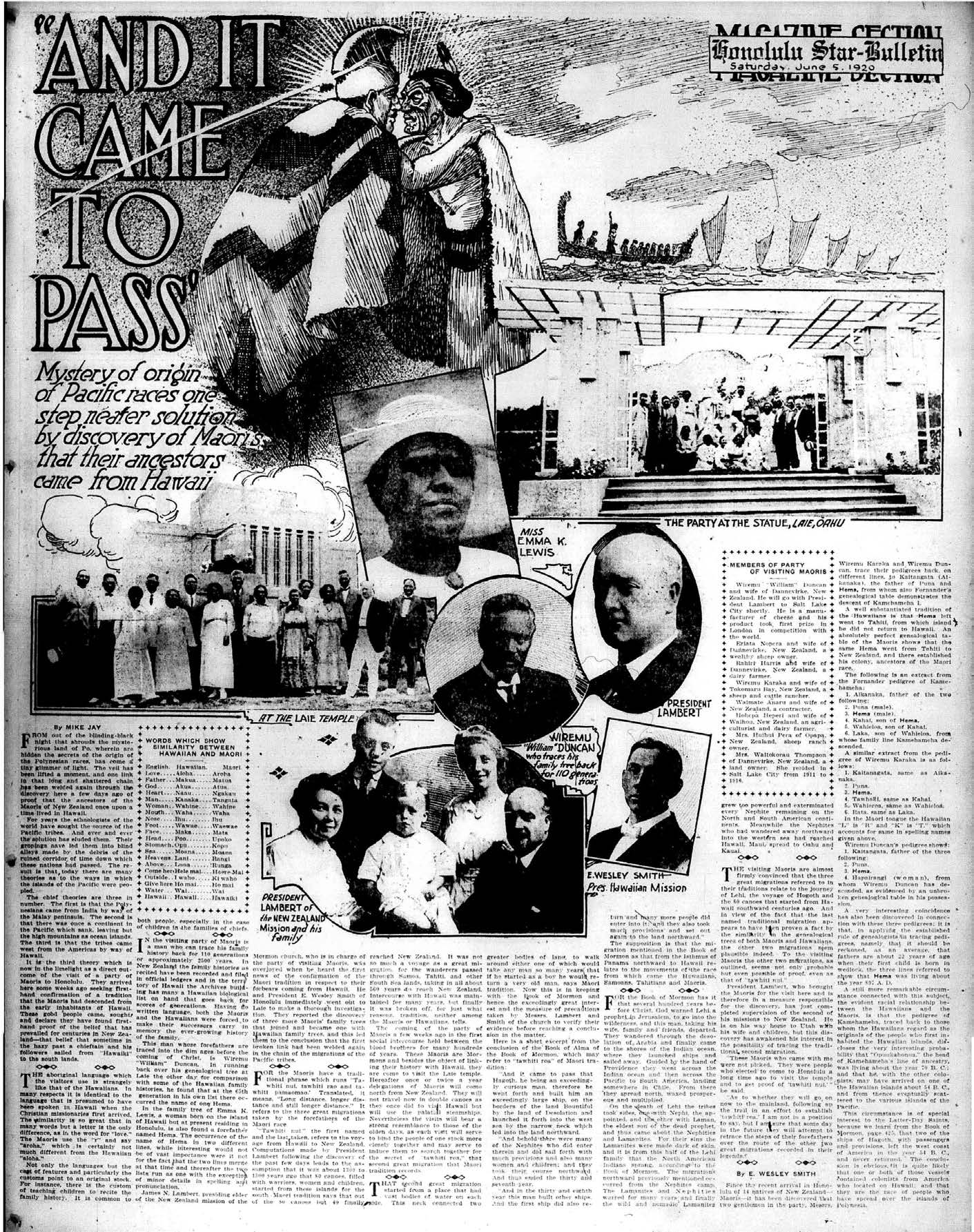
Unlike modern digital databases, nineteenth‑ and early‑twentieth‑century Hawaiian newspapers captured community events in real time. Birth announcements, marriage notices, land sales, and even court proceedings were regularly published, providing a contemporaneous snapshot of family connections. Because many islands lacked formal civil registries during those years, newspapers often serve as the only surviving written record of vital events.
Moreover, the multicultural fabric of the Kingdom of Hawaiʻi—where native Hawaiians, missionaries, Chinese laborers, Japanese immigrants, and Portuguese settlers intersected—means that newspapers recorded names in Hawaiian, English, and various Asian scripts. This linguistic variety can help researchers confirm spellings that later civil records might have altered.
Key Types of Genealogical Information Found
- Obituaries and death notices – usually list surviving relatives, places of origin, and sometimes even the deceased’s rank within a chiefly line.
- Marriage and engagement announcements – often include parents’ names, which is gold for building a family tree.
- Land and probate notices – detail transfers of property that can tie a surname to a specific ahupuaʻa (land division).
- Social columns – report on church gatherings, festivals, and club memberships, revealing community ties and affiliations.
- Court reports – criminal and civil cases sometimes name multiple family members, shedding light on extended relationships.
When a name appears across several categories, the pattern becomes a reliable indicator of lineage. For example, a marriage notice might name a bride’s father, while an obituary a few years later confirms his death, reinforcing the connection.
Tips for Accessing and Interpreting Historic Papers
Many Hawaiian newspapers have been digitized by the University of Hawaiʻi’s library and are searchable through the Chronicling America platform. Here’s a quick workflow:
- Start with a known detail—perhaps a birth year or a specific island.
- Enter the name in quotes to narrow results; include alternate spellings if you suspect transcription errors.
- Filter by date range to focus on the period when your ancestor likely appeared in print.
- When a promising article surfaces, read the surrounding pages. Context often clarifies ambiguous references.
Don’t overlook the “advertising” section. Vendors frequently listed customers’ surnames, especially in notices about shipping goods, which can hint at a family’s occupation or migration pattern.
Common Pitfalls and How to Avoid Them
One frequent mistake is assuming every “Kahanu” in a notice refers to the same lineage. Hawaiian surnames were sometimes adopted based on a chief’s title or a place name, leading to multiple unrelated families sharing a name. Cross‑checking with other records—such as missionary journals or Hawaiian language newspapers—helps separate distinct branches.
Another hazard is overlooking diacritics. A macron over a vowel (e.g., “Kāne”) can change pronunciation and meaning, and older printings often omitted them. When you encounter a name without a macron, consider both the accented and unaccented versions in your searches.
Putting It All Together: Building a Family Narrative
After gathering snippets from various articles, organize them chronologically. A simple spreadsheet with columns for date, source, name, relationship, and notes keeps the data manageable. Look for overlapping details—such as a father’s name appearing in both a land sale and a marriage announcement—to confirm connections.
Finally, weave the facts into a story. Instead of a sterile list of dates, describe how “Kimo Kāne attended the 1883 Kilauea Festival, where his sister Lili announced her marriage to a Portuguese sugar planter.” Such narrative context not only enriches your family history but also makes it easier to share with future generations.
FAQ
Q: Are all Hawaiian newspapers available online?
A: Not all, but the major publications from 1860 to 1930 have been digitized by university archives and the Hawaiian Historical Society. Smaller community papers may only exist in microfilm at local libraries.
Q: How can I verify a name that appears only once?
A: Cross‑reference the name with church records, land deeds, or ship manifests. Even a single mention can be corroborated by matching dates, locations, or family members.
Q: What if my ancestor’s name was anglicized?
A: Look for phonetic equivalents. For instance, “Keawe” might appear as “Keau” or “Keefe.” Checking missionary diaries, which often recorded native names in English spelling, can provide clues.
Q: Is it worth paying for a professional genealogist?
A: If you’ve exhausted free archives and still hit dead ends, a specialist familiar with Hawaiian naming conventions and archival sources can save time and uncover records that are otherwise difficult to locate.