Heart Failure Nursing: A Compassionate Guide to Care
Dealing with a loved one who has been diagnosed with heart failure can feel overwhelming. The medical jargon, the changing medications, and the sheer weight of the diagnosis often leave families feeling lost. But here is the thing: you are not alone in this journey. In fact, one of the most vital roles in managing this condition isn’t always played by the cardiologist, but by the nurse. These healthcare professionals are often the bridge between complex medical advice and day-to-day life.
Heart failure nurse-led care is rapidly becoming a standard of excellence in cardiology. It’s not just about checking vitals; it’s about education, emotional support, and practical management. If you are a patient or a caregiver, understanding what a heart failure nurse does can transform how you approach treatment. Let’s break down how these dedicated professionals help manage heart failure with precision and compassion.
What Does a Heart Failure Nurse Actually Do?
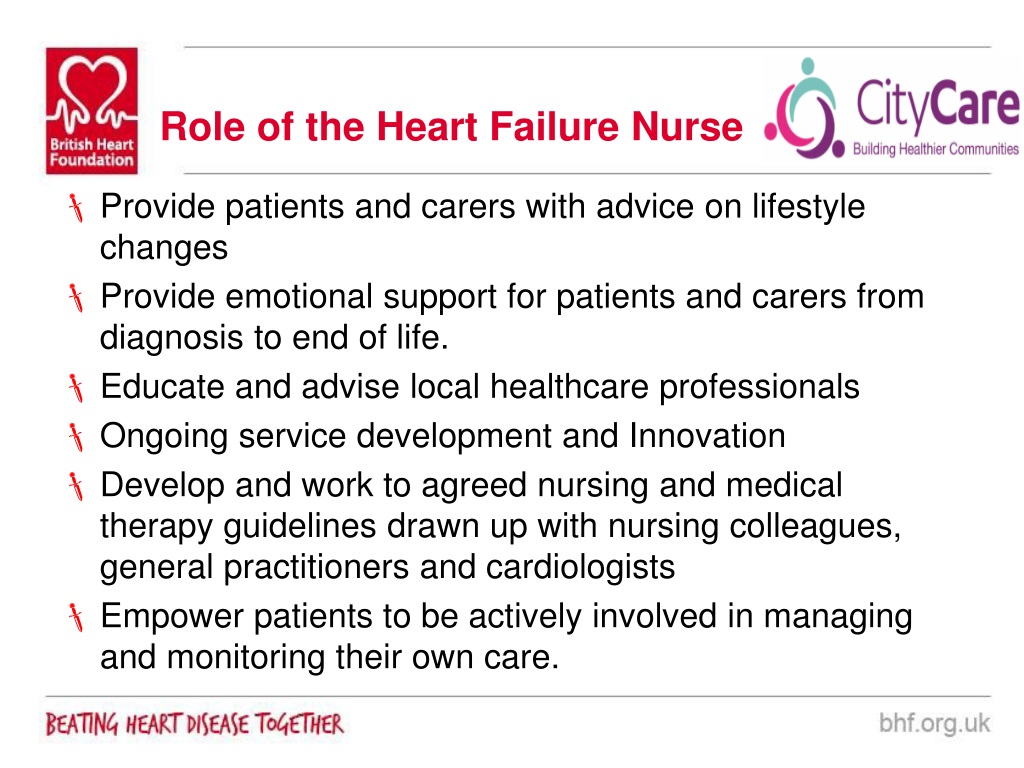
When people think of nurses, they often imagine IVs and bedpan changes. Modern heart failure nursing is far more nuanced. It’s a specialized field that requires deep knowledge of cardiovascular physiology, pharmacology, and behavioral psychology. These nurses act as case managers, educators, and advocates for their patients.
Think of them as your personal coach for heart health. They don’t just treat the disease; they help you live with it. Their responsibilities generally fall into three main buckets:
- Education: They explain why certain foods cause bloating or why you need to weigh yourself every morning.
- Monitoring: They keep a close eye on symptoms that might signal a flare-up before it becomes an emergency.
- Coordination: They talk to your cardiologist, your primary care doctor, and sometimes even your dietitian to ensure everyone is on the same page.
This holistic approach matters. Heart failure is a chronic condition, meaning it doesn’t go away. Managing it requires consistency, and that’s where the nurse really shines.
The Critical Role of Daily Weight Monitoring
If there is one piece of advice a heart failure nurse will repeat until it becomes muscle memory, it’s this: weigh yourself every day. It might sound tedious, but it is arguably the most effective tool for preventing hospital readmissions.
Heart failure causes fluid to build up in the lungs and legs. Often, this fluid retention builds up before you actually feel short of breath or see visible swelling. A sudden weight gain of two pounds in a day or three pounds in a week is a red flag. It means your body is holding onto too much sodium and water. Because nurses emphasize this habit so strongly, their patients are often the first to catch these subtle changes.
Instead of waiting for an emergency room visit, the nurse can adjust diuretics (water pills) over the phone or visit you at home. This proactive management keeps you out of the hospital and keeps your quality of life intact.
Bridging the Gap: Medication Adherence
Medication regimens for heart failure can be intimidating. It’s common for patients to take five or more different pills, each with specific timing and dietary restrictions. Forgetting a dose or taking it incorrectly can lead to dangerous drops in blood pressure or ineffective treatment.
A heart failure nurse excels at simplifying this chaos. They don’t just hand you a list of drugs; they explain why you are taking them. They might use pill organizers, create easy-to-read charts, or check in weekly to ensure you aren’t experiencing side effects that make you want to skip doses.
This isn’t about policing you. It’s about partnership. When you understand how a beta-blocker slows your heart to reduce strain, or how an ACE inhibitor opens up your blood vessels, you’re more likely to stay committed to the plan.
Emotional Support and Mental Health
Let’s talk about the elephant in the room: fear. A diagnosis of heart failure often brings anxiety about death, disability, and the loss of independence. It’s normal to feel scared. However, fear can actually worsen heart symptoms by raising blood pressure and stress hormones.
Nurses are trained to recognize these emotional struggles. They provide a safe space for you to ask the questions you might be too embarrassed to ask your doctor. They offer coping strategies, connect you with support groups, and help set realistic goals for your daily activity. Knowing someone has your back provides a psychological buffer that makes the physical burden of the disease more bearable.
When to Call the Nurse (and When to Call 911)
One of the biggest challenges in heart failure care is knowing when to escalate care. Nurses teach clear protocols for this.
Generally, you call the nurse if you experience:
- Unexplained weight gain as mentioned earlier.
- Increased swelling in the ankles or abdomen.
- A persistent cough that produces white or pink-tinged phlegm.
However, you call emergency services immediately if you have:
- Severe shortness of breath that doesn’t improve with rest.
- Chest pain that radiates to the arm or jaw.
- Fainting or extreme confusion.
Having these guidelines written down and reviewed by a nurse gives you confidence in home management.
Conclusion
Heart failure is serious, but it is manageable. With a strong support system, particularly a dedicated heart failure nurse, patients can live full, active lives for many years. These professionals provide the roadmap, the tools, and the encouragement needed to navigate this complex condition. If you don’t currently have access to a heart failure nurse, ask your cardiologist if it’s an option for you. It might just be the missing piece in your care plan.
Frequently Asked Questions
Do I need a specialist nurse if I see a cardiologist?
A cardiologist diagnoses and treats the heart, but a heart failure nurse provides day-to-day management. Think of the cardiologist as the architect and the nurse as the construction manager. Both are essential, but their roles differ significantly in terms of frequency and focus.
Can heart failure nurses conduct home visits?
In many healthcare systems, yes. Home health nurses are often available for patients with advanced heart failure. They can check weights, adjust medications, and inspect wounds without requiring a trip to the clinic, which reduces stress on the patient.
How often should I see the nurse?
This varies by severity. Acute patients might see a nurse daily or weekly initially. Once stable, contact might drop to monthly or as-needed. The key is establishing a routine that catches problems early.
Is heart failure nursing covered by insurance?
Most insurance plans, including Medicare, cover nurse case management services when they are medically necessary and prescribed by a physician. It is worth asking your care team about specific coverage details to avoid surprise bills.