Heat Pump & Furnace Hybrids: A Guide to Energy‑Efficient Heating
When winter comes, the choice between a traditional furnace and a heat‑pump unit can feel like a tug‑of‑war. Heat Pump Furnace Hybrid Systems combine the reliability of a gas furnace with the eco‑friendly efficiency of an electric heat pump, offering homeowners the best of both worlds. In this guide, we’ll unpack how these hybrids work, their benefits, and what to look for when selecting and installing one.
What Is a Heat Pump Furnace Hybrid?
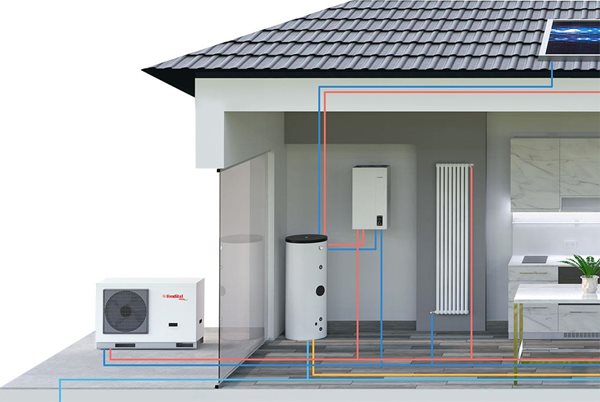
A Heat Pump Furnace Hybrid is a dual‑fuel system that uses an electric heat pump for most heating duties while automatically switching to a gas furnace when temperatures drop below a set threshold. The heat pump extracts warmth from the outside air—even in cold weather—providing up to 300% energy efficiency compared with a conventional electric resistance heater. When the heat pump’s output becomes insufficient, the gas furnace steps in, ensuring constant comfort.
How Does the System Work?
At its core, the hybrid system contains three main components: a heat pump, a gas furnace, and an electronic controller that manages the flow of heat. The controller monitors indoor temperature, outdoor temperature, and the heat‑pump efficiency. If the heat‑pump can maintain the desired setpoint, it powers the air handler. When the outdoor temperature dips below a pre‑set “switch‑over” point—often between 20°F and 32°F—the controller activates the gas furnace to keep the home warm. Many models also feature a “boost” mode, where the furnace can supplement the heat pump during brief spikes in demand.
Benefits of Hybrid Systems
- Higher Efficiency – Heat pumps can achieve a COP (coefficient of performance) of 3–4, meaning each watt of electricity delivers three to four watts of heat.
- Reduced Carbon Footprint – Using electric power for most of the heating cycle cuts fossil‑fuel emissions, especially if the electricity comes from renewable sources.
- Cost Savings – Even with an initial investment, many homeowners see a 20–30% reduction in heating bills over the system’s life.
- Quiet Operation – The heat‑pump unit runs softly, and the gas furnace rarely engages, making the hybrid quieter than a conventional furnace.
Comparing Hybrid to Traditional Systems
Traditional furnaces rely solely on natural gas or oil, delivering consistent heat regardless of weather but with lower efficiency and higher emissions. Conventional heat pumps offer excellent efficiency but struggle in extreme cold, often requiring supplemental heating. Hybrids bridge this gap by delivering the best efficiency of heat pumps in mild to moderate temperatures while retaining the reliability of a furnace in harsh winter nights. In many climates, a hybrid system can be up to 50% more economical than a single‑fuel solution when installed correctly.
Choosing the Right Unit
When shopping for a hybrid, consider the following factors: Climate – In colder regions, a hybrid with a higher heat‑pump capacity and a low switching temperature is preferable. Home Size – Ensure the system’s BTU output matches the square footage and insulation level of your home. Brand and Warranty – Look for manufacturers that offer at least 15–20 years of furnace warranty paired with a 10‑year heat‑pump guarantee.
Installation and Maintenance Tips
Proper installation is critical for performance. A licensed HVAC professional should verify the ductwork, balance airflow, and program the controller’s switching point. Routine maintenance includes yearly furnace filter changes, monthly heat‑pump coil checks, and annual safety inspections. Keeping the outdoor unit clear of debris and ensuring the furnace’s gas lines are leak‑free will also extend the system’s lifespan.
Cost Considerations
Initial costs for a Heat Pump Furnace Hybrid typically range from $4,000 to $8,000, depending on system size and brand. While this is higher than a single‑fuel furnace, many utility companies offer rebates or tax credits for hybrid systems. Over 10–15 years, the savings on energy bills can offset the upfront cost, especially in moderate climates where the heat pump operates most of the year.
Frequently Asked Questions
Q1: Does a hybrid system work in extreme cold?
A1: Yes, the gas furnace takes over when temperatures fall below the heat pump’s efficient range, maintaining comfort even in sub‑20°F weather.
Q2: Can I retrofit my existing furnace with a heat‑pump hybrid?
A2: Many manufacturers offer retrofit kits that replace the existing electric furnace with a hybrid controller, but this requires a qualified technician to ensure safety and efficiency.
Q3: How often should I service a hybrid system?
A3: Schedule annual professional inspections, and replace filters every 60–90 days. The heat pump’s coils should be cleaned annually if the system is used heavily.