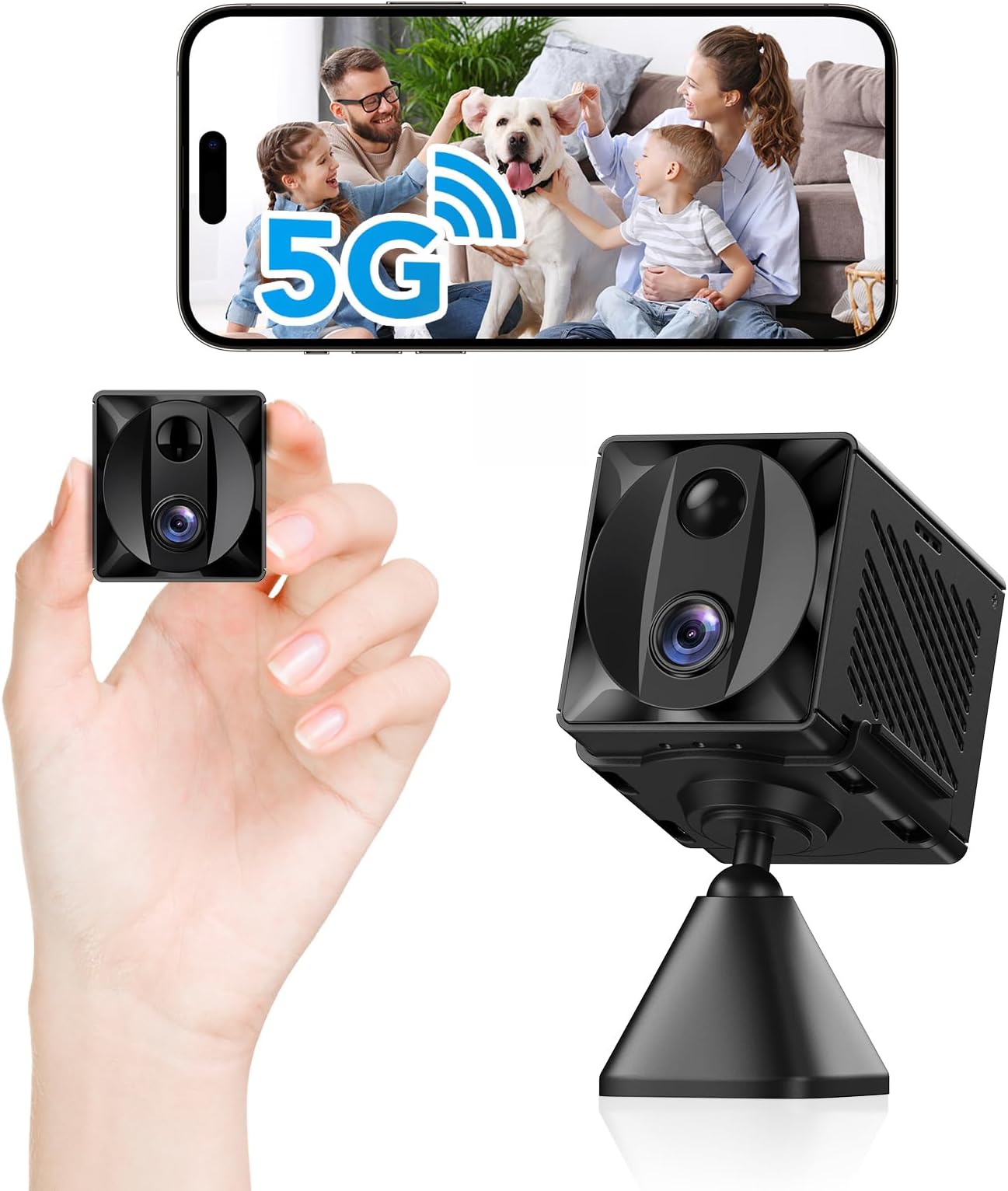
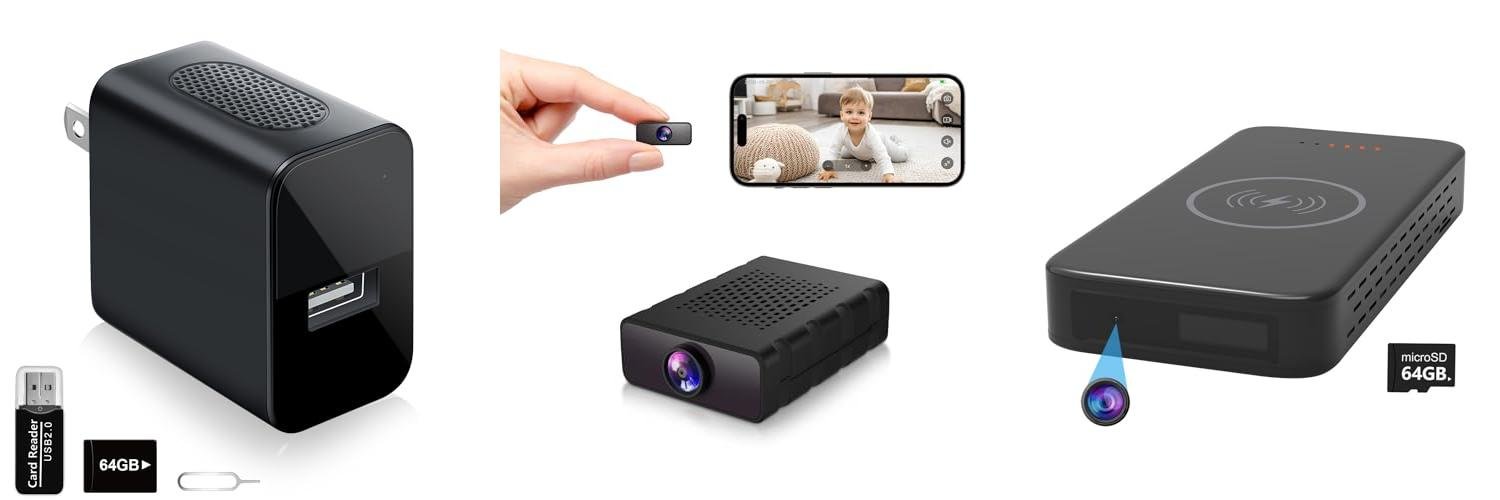
Hidden Night Vision Cameras: Your Ultimate Guide to Stealth Surveillance
When you need to keep a watchful eye after dusk, hidden night vision cameras become essential tools. Whether you’re monitoring a property, studying wildlife, or simply ensuring home security, the right covert camera can offer reliable footage without drawing attention.
Why Choose a Hidden Night Vision Camera?
Traditional cameras are conspicuous and can alarm intruders or disrupt natural behavior. Hidden models blend into their surroundings—walls, trees, or everyday objects—while still delivering high‑definition night images. They also tend to be more discreet, reducing the chance of tampering or theft.
Key Features to Look For
- Infrared (IR) Capability: Most models emit IR LEDs that illuminate the scene without visible light. Look for ranges of 30–120 m depending on your distance needs.
- Resolution & Frame Rate: A minimum of 1080p at 30fps is standard for clear footage. If you plan to record fast motion, consider 60fps or higher.
- Storage Options: SD card slots, microSD support, or cloud integration. Redundancy, like a dual‑slot design, can prevent data loss.
- Power Source: Battery‑operated models offer portability; wired units deliver continuous power but require access to outlets.
- Weatherproofing: For outdoor use, ensure the camera meets at least IP65 ratings. This protects against rain, dust, and temperature swings.
- Audio Capture: Many night vision cameras now include a built‑in microphone. If audio is vital, confirm the mic is active during low‑light modes.
Choosing the Right Mounting Surface
Mounting choice affects both concealment and image quality. Common surfaces include:
- Wall Paint or Wallpaper – Paint a small, light‑colored patch to hide a camera’s lens.
- Decorative Items – Place the camera inside a plant pot, behind a picture frame, or within a faux rock.
- Outdoor Structures – Bushes, shrubs, and low‑lying trees can mask the camera’s silhouette.
Always test the line of sight before finalizing the spot. A slight angle shift can blur the image or block critical angles.
Installation Tips for Stealth
1. Blend with Existing Decor: If the camera sits on a wall, paint the surrounding area a matching hue. Use a small, unobtrusive enclosure to protect the lens.
2. Hide the Power Cable: Conceal wires with conduit, paint, or by embedding them in existing structural elements.
3. Use a Low‑Profile Lens: Some manufacturers offer lenses that sit flush with the surface, reducing visual cues.
4. Test at Night: Walk around with a flashlight to confirm the camera does not reflect visible light. Adjust the IR LEDs if necessary.
Legal and Ethical Considerations
Before installing a hidden camera, check local regulations. In many jurisdictions, recording audio in private spaces requires consent from all parties. Even when only visual recording is involved, privacy laws can apply to certain areas like bathrooms or bedrooms. Always inform occupants where feasible and respect privacy boundaries.
Common Use Cases
- Home Security – Position cameras near entry points to capture intruders without obvious signage.
- Pet Monitoring – Observe your cat or dog’s nighttime habits from a concealed perch.
- Wildlife Observation – Install near a garden or backyard to film nocturnal animals without disturbing them.
- Construction Site Oversight – Track progress in low‑light conditions while keeping equipment out of view.
Maintenance and Troubleshooting
Regularly inspect the camera for dust accumulation on the lens; a clean lens is crucial for clarity. If the IR LEDs fail to illuminate the scene, replace the battery or check the LED driver. Firmware updates, when available, can improve low‑light performance and fix bugs.
Battery‑Powered Cameras
Battery life varies from 2 to 12 hours depending on usage and environmental temperature. Swap batteries before depletion to avoid data loss. Some models offer a “low‑power” mode that reduces frame rate and turns off audio.
Wired Cameras
For continuous operation, ensure a stable power connection. Use surge protectors and consider an uninterruptible power supply (UPS) for critical monitoring.
Choosing the Right Brand and Model
While many brands offer night vision cameras, quality can differ significantly. Look for models that have:
- Positive third‑party reviews, especially around low‑light performance.
- Clear support channels—warranty and customer service.
- Transparent specifications, with no hidden jargon.
Reading independent testing articles or video demonstrations can provide insight beyond marketing claims.
Frequently Asked Questions
- Can a hidden night vision camera record in complete darkness? Most cameras rely on IR illumination; in total darkness, the image will be black. A few models include built‑in thermal sensors, but those are generally larger and more expensive.
- Will the camera’s infrared glow be visible to the human eye? The IR LEDs emit light in wavelengths beyond visible light, so they’re generally invisible. However, in very close proximity, a faint glow might be seen.
- Is it legal to install a hidden camera in my own home? Yes, for private property and where no audio recording occurs. Be mindful of laws about recording in shared or public spaces.
- How can I keep my hidden camera from being discovered? Use a small, low‑profile camera and mount it in an inconspicuous spot. Avoid placing the cable in obvious locations. Regularly check for tampering.
By understanding the features, installation nuances, and legal aspects, you can confidently integrate a hidden night vision camera into your surveillance strategy, capturing clear, silent footage whenever darkness falls.