How Adrenaline Shapes Animal Behavior – Key Facts You Should Know
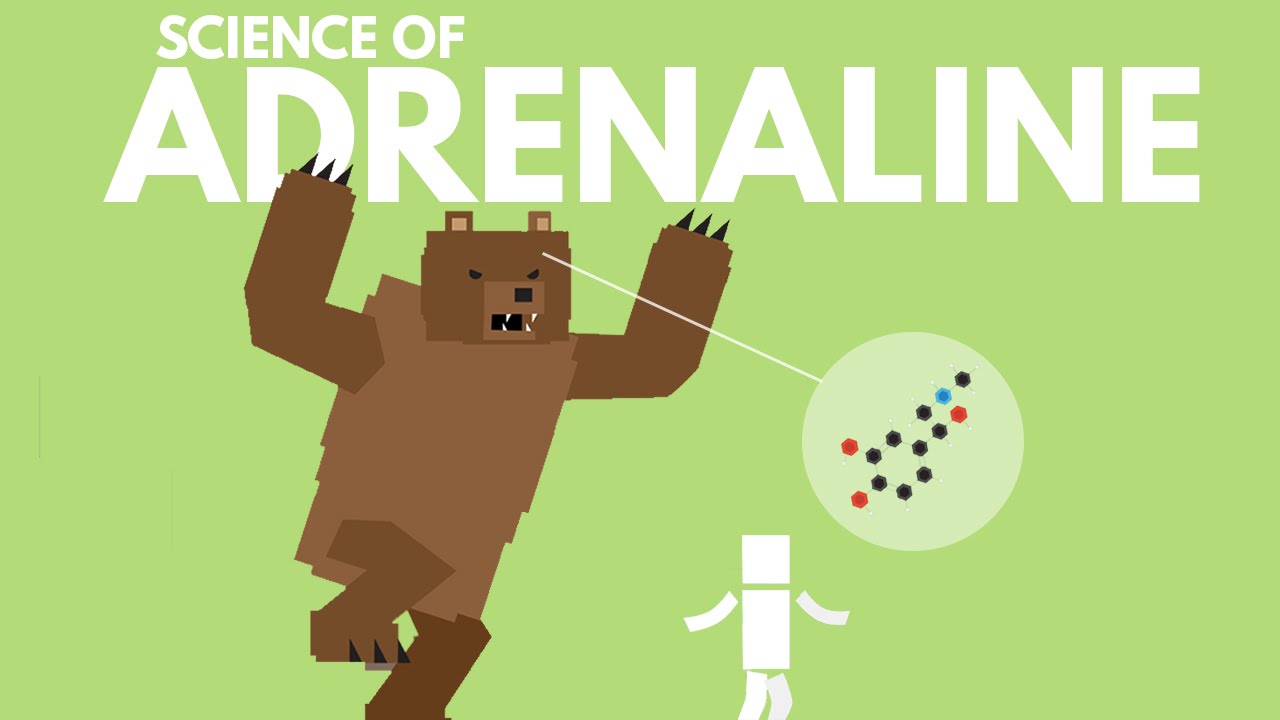
Adrenaline in animals is more than a buzzword; it’s the body’s rapid-fire alarm system that keeps species alive in moments of danger or excitement. When a rabbit spots a hawk or a dolphin encounters a curious human, adrenaline floods the bloodstream, rewiring the brain and muscles for swift action. Understanding this hormone’s role unlocks insights into instinct, survival, and even veterinary care.
What Exactly Is Adrenaline?
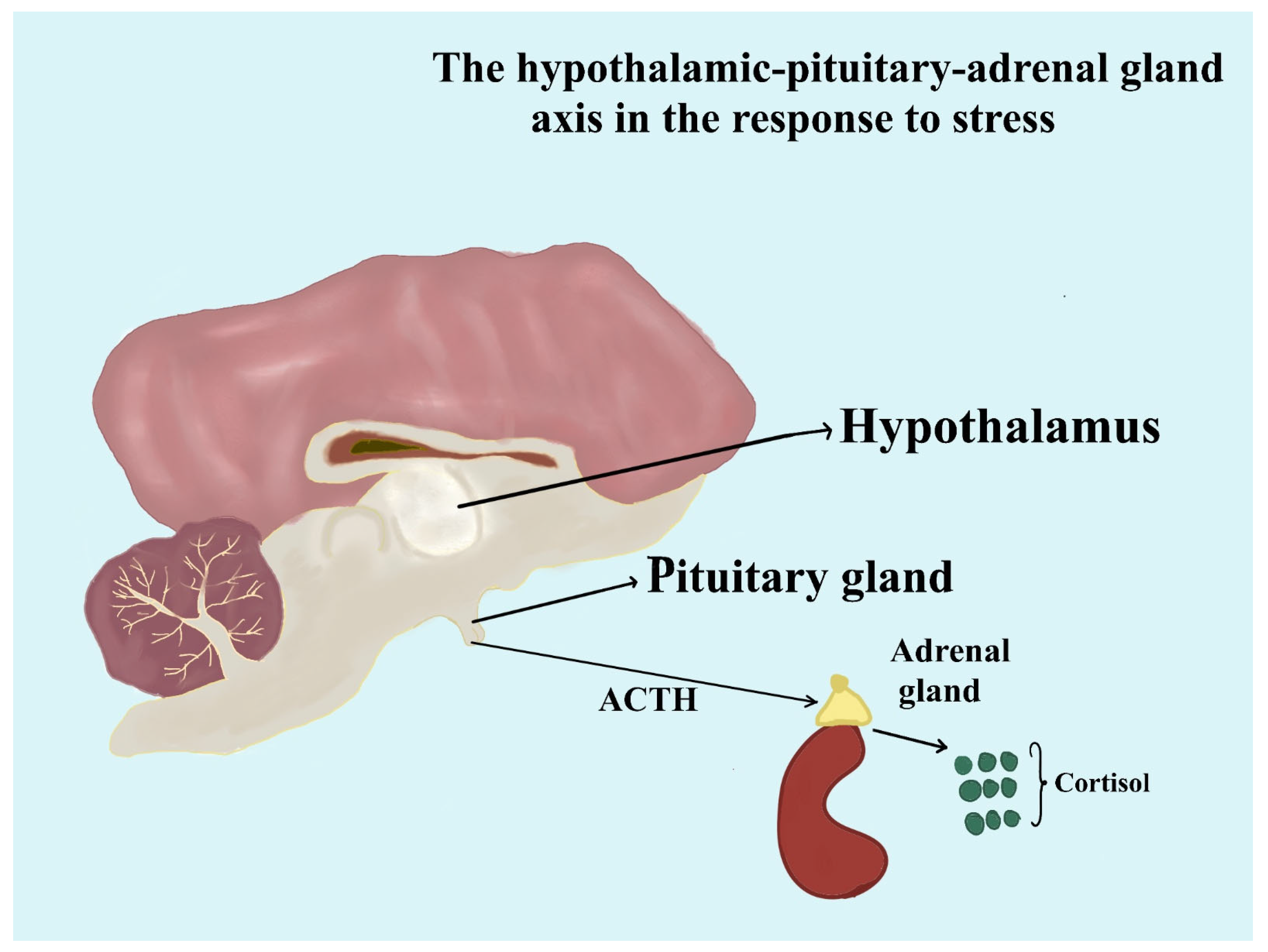
Adrenaline, also called epinephrine, is produced by the adrenal medulla – the inner part of the adrenal glands perched on top of the kidneys. In response to stress signals from the sympathetic nervous system, the glands release adrenaline into the blood. This surge triggers a cascade of physiological changes: increased heart rate, dilated pupils, and a rapid release of glucose into the bloodstream.
Why Animals Release Adrenaline
At its core, adrenaline is a survival tool. In the wild, predators and prey constantly balance risk and reward. A sudden threat can mean the difference between capture and escape, so an animal’s body must react within seconds. The hormone amplifies the fight-or-flight response, heightening senses and mobilizing energy stores.
The Hormonal Cascade and Brain Wiring
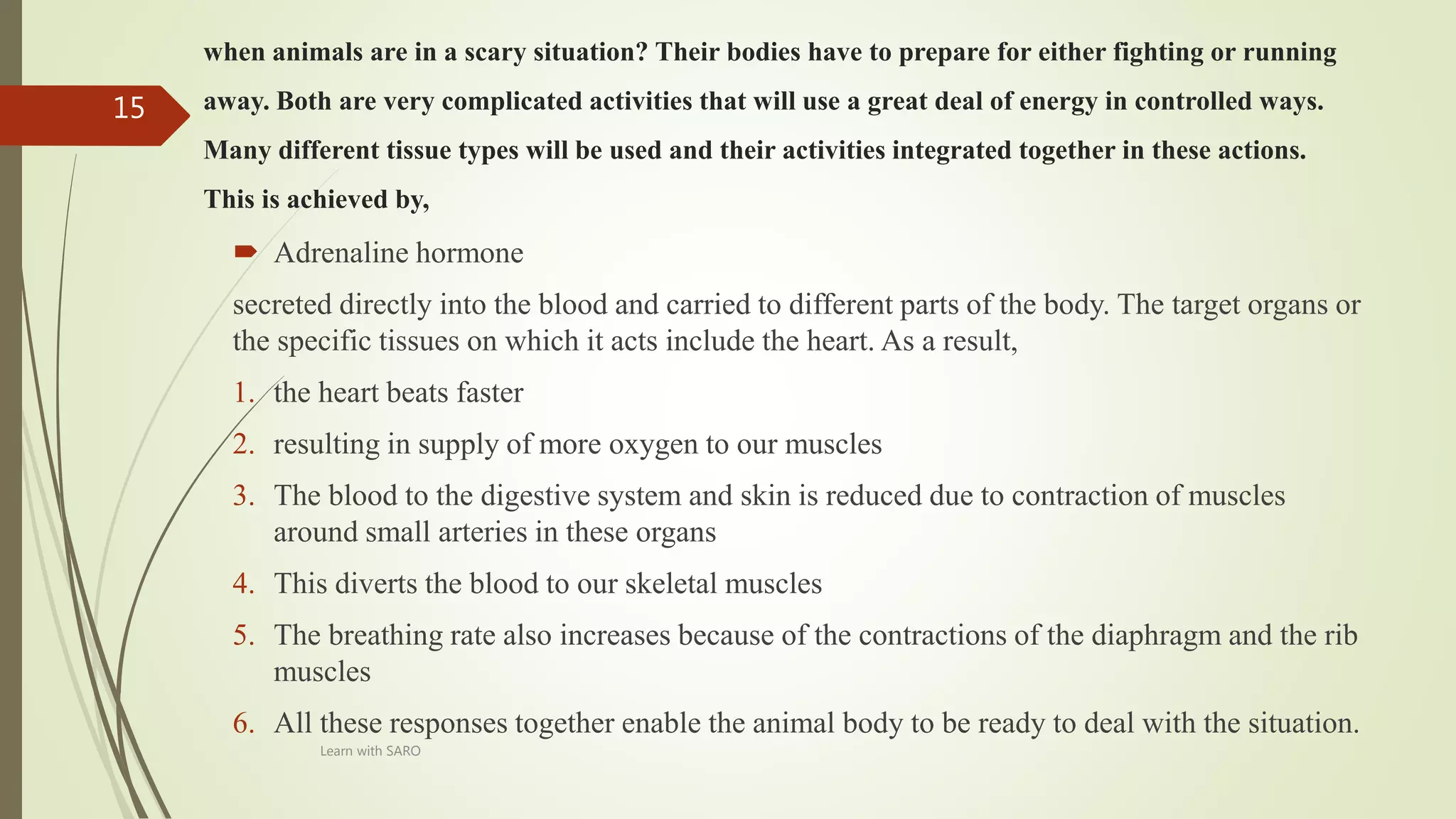
When adrenaline enters the circulation, it binds to adrenergic receptors on target organs. The heart’s pace quickens, veins constrict, and blood is shunted toward skeletal muscles. Meanwhile, the brain’s amygdala and hypothalamus interpret the signal, amplifying emotional arousal. This synchronized response ensures that every organ is tuned to the same imperative: act fast.
Behavioral Effects: The Fight or Flight Response
Adrenaline’s influence on behavior is unmistakable:
- Speed and Agility: Muscles receive a sudden surge of energy, enabling rapid sprinting or leaping.
- Heightened Awareness: Pupils dilate and sensory organs sharpen, making threats easier to detect.
- Decision-Making: The amygdala’s activation can bias an animal toward aggressive or evasive choices.
- Post-Stimulus Exhaustion: After the adrenaline rush subsides, fatigue often follows, mirroring the human “crash” after a high‑energy burst.
Species-Specific Variations
Not every species reacts identically. Predatory animals often maintain a baseline level of adrenaline that keeps them alert, whereas many prey species rely on a sharp spike when danger looms. Some reptiles, for instance, exhibit a slower hormonal response due to their lower metabolic rates, while birds can process adrenaline’s effects in as little as a few seconds, thanks to their high heart rates.
Adrenaline in Predators vs Prey: A Comparative Look
In predators, adrenaline primes the body for sudden bursts of power, sharpening vision and coordinating the chase. Think of a cheetah’s acceleration or a hawk’s dive. Prey species, meanwhile, use adrenaline to freeze or flee, sometimes even triggering a split-second decision to bolt away. The hormone’s dual role as both an enhancer of aggression and a facilitator of escape underscores its evolutionary versatility.
Clinical Applications and Research Insights
Veterinarians often administer adrenaline (epinephrine) to counteract severe allergic reactions, anaphylaxis, or as a bronchodilator during respiratory emergencies. In research, measuring adrenaline levels helps scientists gauge stress, investigate predator-prey dynamics, and assess the welfare of captive animals. Moreover, studying how different species handle adrenaline offers clues to evolutionary biology and even inspires bioinspired engineering solutions.
Frequently Asked Questions
- Does adrenaline increase heart rate in all animals?
Yes, adrenaline universally raises heart rate, though the magnitude varies with species and size. - How quickly does adrenaline act after a threat?
The hormone can peak within seconds, allowing for near‑instant physiological changes. - Can prey animals feel fear through adrenaline?
Fear is a complex emotion; adrenaline is a key physiological component, but behavioral cues and brain chemistry together produce the full experience. - Is adrenaline harmful if released too often?
Chronic high levels can strain the cardiovascular system and impair immune function, a concern for animals in perpetual stress.
Adrenaline in animals exemplifies how a single hormone can orchestrate an entire suite of life‑saving responses. From the silent hush before a predator’s strike to the frantic sprint of a startled prey, this tiny chemical messenger is the engine behind instinctual survival. By studying its patterns, scientists and caretakers can better protect wildlife, refine veterinary care, and appreciate the remarkable evolutionary dance that keeps countless species thriving amid uncertainty.