How Blockchain Gaming NFTs and Securities Work: A Beginner’s Guide
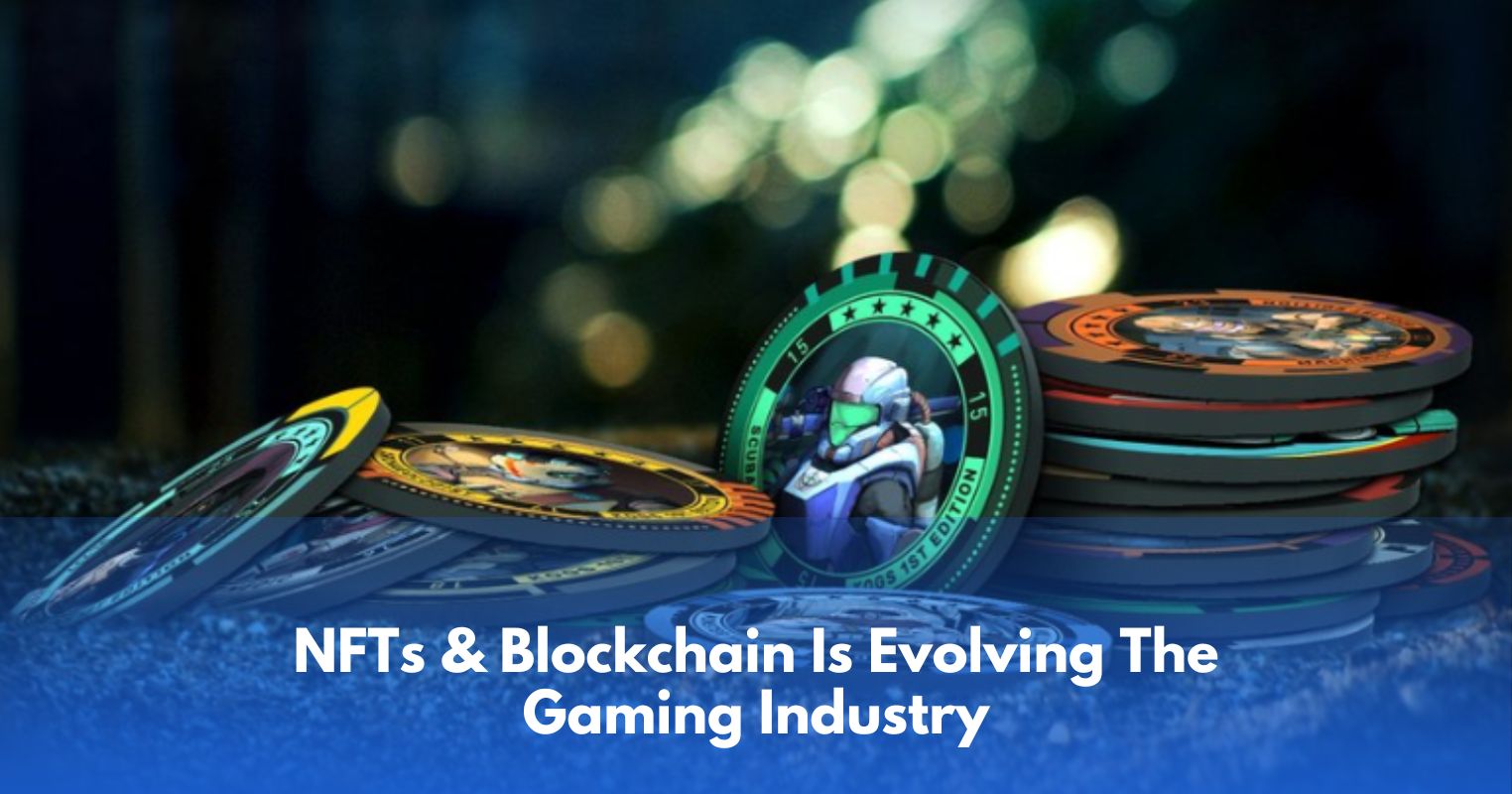
If you’ve heard the buzz about blockchain gaming, NFTs, and something called “secoins” or securities, you’re not alone. The space is still fresh, and the terminology can feel like a mash‑up of finance and video‑game slang. This guide untangles the core ideas, explains why some game tokens are treated like securities, and offers a few practical steps for anyone wanting to dip a toe into this hybrid world.
What Makes a Game “Blockchain‑Based”?
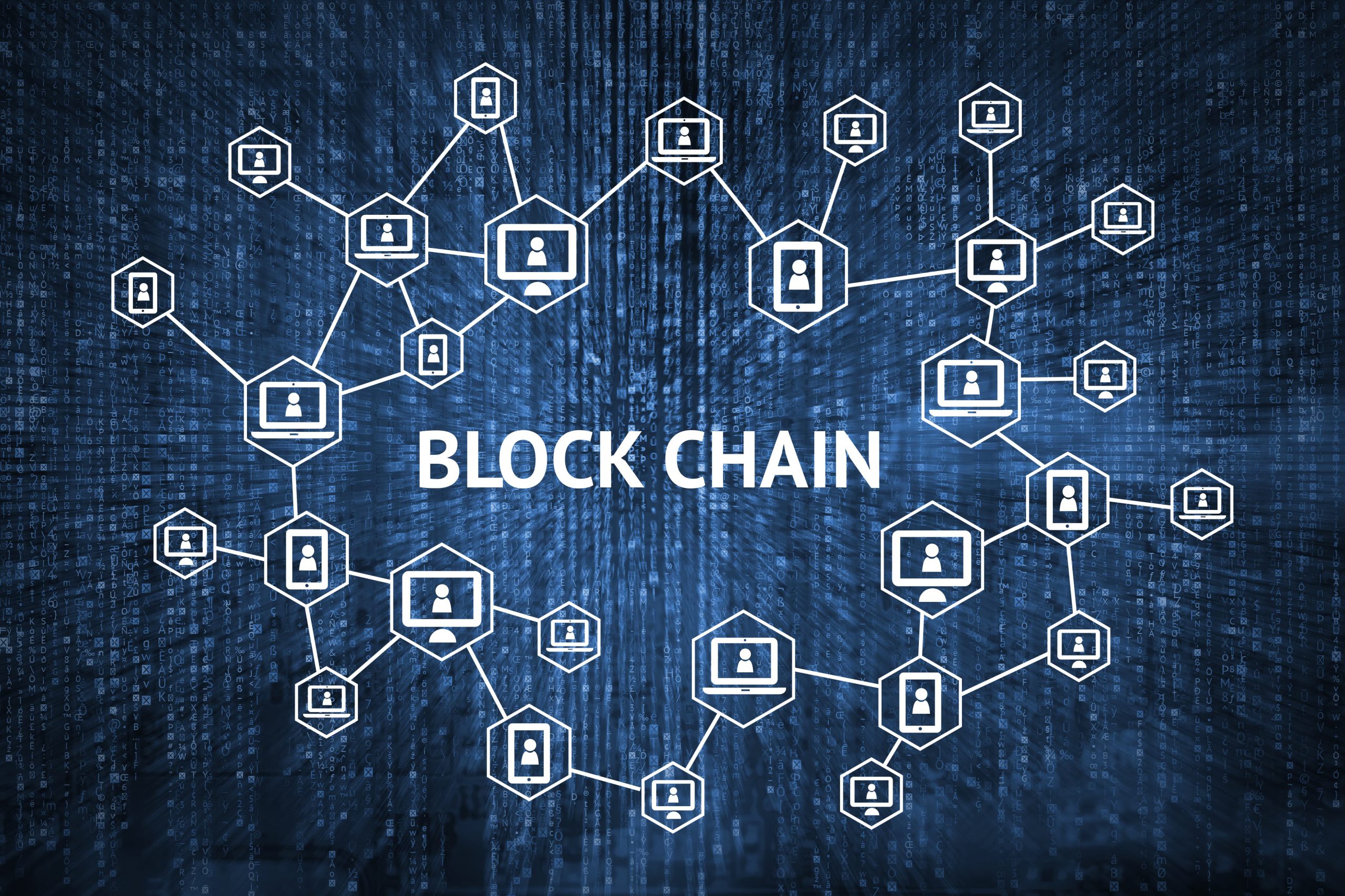
At its simplest, a blockchain‑based game stores at least part of its data on a public ledger instead of a private server. That means items, characters, or even entire worlds can be owned, transferred, and verified without the game developer acting as the sole gatekeeper. The result is two‑fold: players gain true ownership of digital assets, and developers can create marketplaces that run 24/7, independent of any single platform.
Most blockchain games still rely on conventional servers for gameplay mechanics—think matchmaking, physics, or AI—but they hand off “ownership” to the blockchain. This hybrid approach keeps the experience smooth while delivering the benefits of decentralised record‑keeping.
Non‑Fungible Tokens: The Digital Collectibles Core
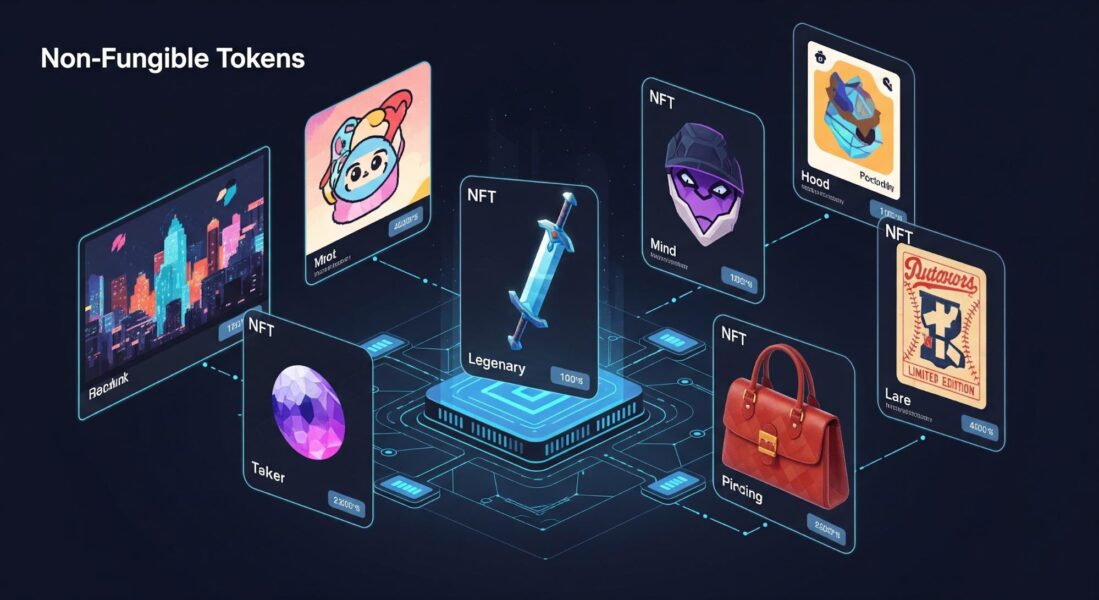
Enter NFTs, or non‑fungible tokens. Unlike a Bitcoin, which is interchangeable with any other Bitcoin, an NFT is unique. In gaming, that uniqueness translates to one‑of‑a‑kind skins, weapons, or even entire characters. The token’s metadata, stored on‑chain or referenced via a hash, tells you exactly what the item is, who owns it, and its transaction history.
Because the token lives on a blockchain, you can move it between games that support the same standard (most commonly ERC‑721 or ERC‑1155 on Ethereum, or similar standards on other chains). That opens the door to cross‑game economies and, for some, a new source of income.
When Gaming Tokens Cross into Securities Territory
The line between a playful collectible and a regulated security can be blurry. Regulators typically look at three factors, known as the Howey Test in the United States:
- Investment of money: Players spend real currency to buy tokens.
- Expectation of profit: Buyers hope the token’s value will rise.
- Efforts of others: The token’s future price depends on the developer’s actions, like updates or marketing.
If a game’s token meets all three, many jurisdictions may classify it as a security. That doesn’t automatically make it illegal, but it does impose reporting, disclosure, and licensing requirements on the developers. For players, the practical impact is that certain tokens might be subject to trading limits, taxation rules, or even be unavailable on some platforms.
“Secoinse,” a term you sometimes see paired with blockchain gaming, appears to be a portmanteau of “security” and “coin.” It’s often used to flag tokens that sit in that regulatory grey zone. Always check whether a token is labelled as a security before treating it like a regular collectible.
Practical Tips for New Players
Getting started doesn’t have to be overwhelming. Here are some steps to keep the learning curve manageable:
- Pick a wallet you trust. MetaMask, Trust Wallet, and Coinbase Wallet are popular choices. Make sure you back up the seed phrase securely.
- Start on a low‑fee chain. Ethereum’s gas fees can spike dramatically. Consider alternatives like Polygon, Solana, or Immutable X for a smoother entry.
- Research the token’s classification. Look for official statements about whether the token is a security, utility token, or pure collectible.
- Don’t chase hype. Prices can swing wildly. Treat any purchase as an experiment rather than a guaranteed investment.
- Use reputable marketplaces. Platforms such as OpenSea, Magic Eden, and dedicated game marketplaces often have verification processes to reduce scams.
Balancing Fun and Finance
One of the most exciting aspects of blockchain gaming is the blend of play and potential profit. Yet the financial side can quickly eclipse the joy of gaming if you’re not careful. Treat NFTs like any other in‑game purchase: buy what you’d enjoy using, not just what looks promising on a price chart.
At the same time, keep an eye on community sentiment. Developers who actively engage with players, provide transparent roadmaps, and respect regulatory guidance tend to produce healthier ecosystems. In contrast, projects that disappear after a token sale often leave holders with worthless assets.
Future Trends to Watch
While the space is still evolving, a few trends are already shaping the next wave of blockchain games:
- Play‑to‑Earn models are maturing. Early titles promised massive earnings; newer games focus on sustainable economies that reward skill rather than speculation.
- Interoperable avatars. Projects like Ready Player Me aim to let a single NFT represent you across dozens of virtual worlds.
- Layer‑2 scaling. As demand grows, more games will migrate to Layer‑2 solutions or sidechains to keep transaction costs low.
- Regulatory clarity. Governments worldwide are drafting clearer rules for digital assets, which could make “secoins” more predictable for both developers and players.
FAQ
Do I need a cryptocurrency to play blockchain games? Not always. Some games let you start with a free starter pack and only require crypto if you want to trade or upgrade items.
Are all game NFTs considered securities? No. Only those that meet the investment‑profit‑efforts criteria typically fall under securities regulations. Many NFTs function purely as collectibles or utility items.
Can I sell my gaming NFTs on any platform? You can list them on any marketplace that supports the token’s standard, but some platforms may restrict sales of securities‑type tokens.
Is it safe to store game NFTs in a regular crypto wallet? Yes, as long as you control the private keys. Using a hardware wallet adds an extra layer of security, especially for high‑value items.