How Dry Sump Oil Systems Unlock More Engine Power
When you hear “dry sump,” you might picture a race‑car engine humming on the track. In reality, a dry sump oil system is a clever redesign of how an engine circulates its oil, and that redesign can translate into noticeable power gains for street cars, track cars, and everything in between. By moving the oil storage away from the crankcase and using dedicated pumps to feed and retrieve the fluid, the system tackles several inefficiencies that a conventional wet sump simply can’t avoid.
What a Dry Sump Oil System Actually Does
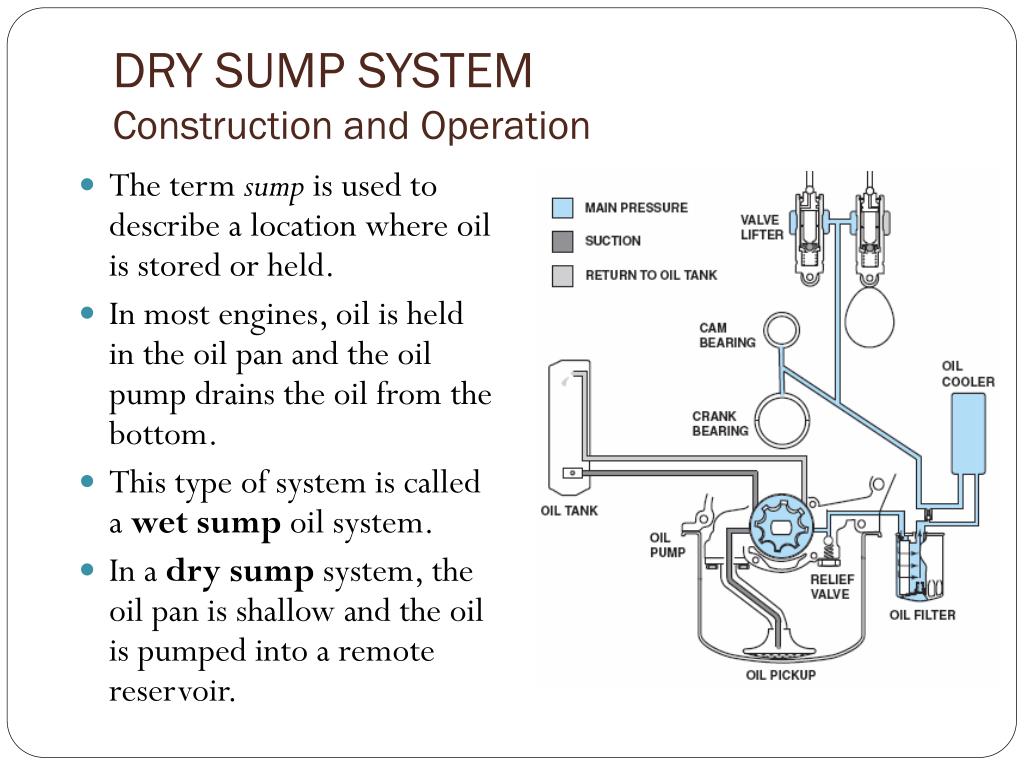
A wet‑sump engine stores oil in a pan beneath the crankshaft. As the crank spins, it splashes oil around, hoping the pick‑up tube grabs enough to keep the bearings lubricated. A dry sump replaces that pan with a shallow cradle and adds an external reservoir. Two or more scavenge pumps pull oil out of the crankcase, while a high‑pressure pump sends a steady flow back into the engine. The result is a “dry” crankcase—hence the name—where oil never pools, and the system constantly recirculates a measured amount.
Why It Improves Power Output
First, a dry sump eliminates windage losses. In a wet sump, the spinning crankshaft churns through a thick layer of oil, creating drag that saps horsepower. With the oil removed from the crankcase, the rotating assembly moves through mostly air, letting it spin faster with less resistance. Second, oil aeration drops dramatically. Aerated oil can’t carry heat or pressure as effectively, so keeping the fluid at a consistent density improves lubrication and cooling, allowing higher RPM limits without overheating. Finally, the engine can be mounted lower because there’s no bulky oil pan, lowering the car’s center of gravity and improving handling—an indirect power benefit that shows up in lap times.
Key Components and How They Work Together
- External Reservoir: A purpose‑built tank that holds the majority of the oil, often vented and baffled to prevent foaming.
- Scavenge Pumps: One or more low‑pressure pumps that pull oil out of the crankcase and feed it to the reservoir. Multiple pumps improve reliability and can be staged for different engine speeds.
- Pressure Pump: The high‑pressure pump that forces oil back through the main oil galleries, ensuring every bearing receives the right flow.
- Oil Lines and Valves: High‑flow hoses and sometimes pressure‑relief valves that balance the system, preventing over‑pressure in the crankcase.
- Cooler (Optional): Many dry sump setups include an oil cooler mounted in the front of the vehicle, taking advantage of airflow to keep temperatures low during prolonged high‑load operation.
Practical Performance Gains You Can Expect
Exact numbers depend on the engine, the original wet‑sump design, and how aggressively you tune. In a typical naturally aspirated four‑cylinder that’s been swapped to a dry sump, owners report a 5‑10 % increase in peak horsepower simply because the engine can rev higher without windage drag. Turbocharged or supercharged platforms often see even larger gains—sometimes 10‑15 %—because the reduced oil temperature lets the boost control stay more consistent. Beyond raw power, the smoother oil flow often translates to a flatter torque curve, making the car feel more responsive throughout the rev range.
Considerations Before Switching to a Dry Sump
Installing a dry sump isn’t a plug‑and‑play upgrade. The system adds cost—often several thousand dollars for a quality kit—and requires custom routing of hoses, mounting brackets, and sometimes modification of the chassis to accommodate the external tank. Maintenance changes, too: you’ll need to monitor reservoir levels, check pump operation, and replace oil more frequently if you push the engine hard. Lastly, not every engine benefits equally; high‑revving, performance‑oriented builds see the biggest payoff, while a low‑rev commuter engine might not justify the expense.
FAQ
How does a dry sump differ from a wet sump?
A wet sump stores oil in a pan attached to the bottom of the engine, relying on splash and gravity for circulation. A dry sump moves the oil to an external tank and uses dedicated pumps to feed and retrieve the fluid, eliminating oil pooling in the crankcase.
Is a dry sump only for racing cars?
No. While many race teams use dry sumps for the performance edge, enthusiasts also install them in street cars that see frequent high‑rpm driving, heavy towing, or off‑road use where oil starvation is a concern.
Can I install a dry sump in a daily driver?
Technically yes, but you should weigh cost, installation complexity, and the actual performance benefit. If you rarely exceed 6,000 rpm, a wet sump may already be sufficient.

![6 Different Types of Lubrication System in Automobile [PDF]](https://www.theengineerspost.com/wp-content/uploads/2020/04/dry-sump-lubrication-system-min-1.jpg)