How Edge’s Chromium Engine Boosts Your Browsing Experience
When Microsoft rebuilt Edge on the Chrome‑based Chromium platform, the result was more than a simple code swap. Edge with Chrome under the hood brings faster page loads, broader extension compatibility, and a smoother feel that many users notice immediately. If you’ve been curious about why the newer Edge feels so snappy, or how to squeeze the most out of it, keep reading.
Why Edge Adopted Chromium
Back in 2020, Microsoft announced the transition from its legacy EdgeHTML engine to Chromium. The move addressed two pain points that long‑time users complained about: limited web‑app support and the fragmented extension ecosystem. By aligning with the same open‑source core that powers Chrome, Edge gained instant access to a massive library of web standards and developer tools.
Beyond compatibility, Chromium’s active development community means security patches arrive faster. That translates to fewer vulnerabilities and a more resilient browsing environment—something both enterprises and casual surfers appreciate.
Performance Gains You’ll Notice
Speed is the most obvious benefit. Chromium’s multi‑process architecture isolates tabs, which prevents a single sluggish page from dragging down the whole browser. In practice, this means:
- Pages render up to 30% faster on average compared to the old Edge.
- Memory usage stays more predictable, especially when many tabs are open.
- Scrolling feels buttery smooth, even on sites heavy with animations.
While exact numbers vary by device, users consistently report a more responsive feel, particularly on low‑end laptops and tablets.
Built‑In Features That Stand Out
Microsoft didn’t simply copy Chrome’s engine; it layered its own innovations on top. Here are a few that differentiate Edge:
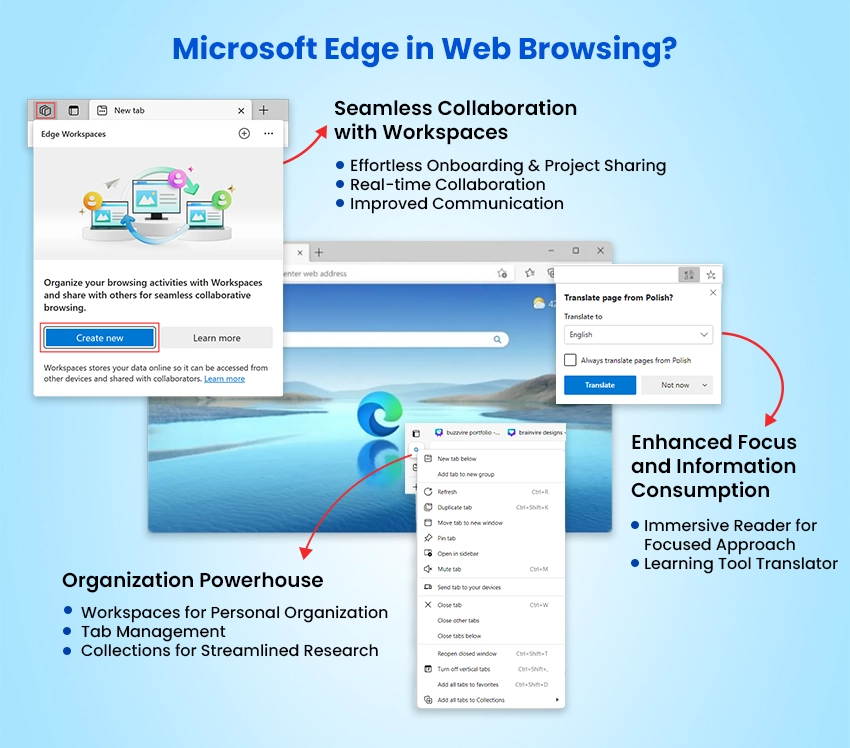
- Collections – Snap screenshots, links, and notes into a tidy visual board for research or shopping trips.
- Vertical Tabs – Turn the tab bar into a sidebar, giving you more horizontal space for reading.
- Tracking Prevention – Three preset levels block trackers without the need for extra extensions.
- Read Aloud – A built‑in narrator reads web pages aloud, useful for multitasking or accessibility.
All these tools run on Chromium, so they benefit from the engine’s speed while offering unique Microsoft polish.
Extension Compatibility Without the Hassle
One of the biggest frustrations with the original Edge was the tiny extension catalog. After the Chromium switch, you can install virtually any Chrome Web Store add‑on directly from Edge’s extension manager. The process is straightforward: click “Allow extensions from other stores” and you’re ready to browse the same library that Chrome users enjoy.
That said, a handful of extensions still need a quick compatibility check, especially those that rely on Edge‑specific APIs. Most developers have updated their code, so incompatibilities are rare.
Privacy Controls That Feel Personal
Edge’s integration of Chromium doesn’t mean you surrender privacy. Microsoft layered its own controls, allowing you to:
- Choose from three tracking‑prevention levels.
- Block third‑party cookies automatically.
- Clear browsing data on exit with a single toggle.
These settings sit alongside Chromium’s built‑in sandboxing, creating a double layer of protection that many users find reassuring.
Tips to Get the Most Out of Edge
To truly harness Edge’s capabilities, try these simple tweaks:
- Pin your favorite sites to the sidebar. Right‑click a tab and select “Pin” for instant access.
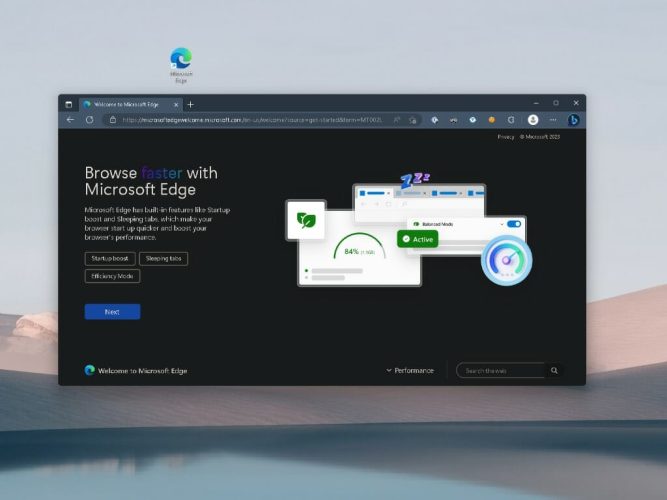
- Enable “Sleeping Tabs.” This feature frees up memory by pausing inactive tabs after a set period.
- Customize the start page. Add news feeds, weather widgets, or a quick link to your most visited sites.
- Sync across devices. Sign in with a Microsoft account to keep favorites, passwords, and settings consistent on PC, mobile, and tablet.
These adjustments are low‑effort but can dramatically streamline daily browsing.
Common Questions About Edge on Chromium
Is Edge more secure than Chrome?
Both browsers share Chromium’s robust security foundation, but Edge adds Microsoft’s own tracking prevention and integration with Windows Defender SmartScreen. In many tests, Edge scores slightly higher on privacy‑focused benchmarks.
Can I use Edge on macOS and Linux?
Yes. Microsoft provides native Edge builds for macOS, Linux, and Android/iOS, all powered by the same Chromium core. Your experience remains consistent across platforms.
Will my Chrome extensions work seamlessly?
For the most part, yes. Install them from the Chrome Web Store after enabling the option in Edge’s extensions page. A small number of extensions that rely on Chrome‑specific APIs might need a quick update from the developer.
Does Edge consume more battery than Chrome on laptops?
Battery usage tends to be comparable. Some users report marginally better endurance with Edge, thanks to Microsoft’s energy‑saving optimizations, but real‑world results vary by hardware and usage patterns.