How Fake News Affects Malaysia—and Practical Ways to Fight It
Why fake news spreads so quickly in Malaysia
Social media platforms dominate the daily news diet for many Malaysians, and the algorithms that feed us content favor speed over verification. When a sensational headline appears, it’s shared before anyone has a chance to check the source. Add to that a multilingual landscape—Bahasa Malaysia, English, Tamil, Mandarin—where the same story can be re‑translated and reshared, often losing nuance in the process.
Local trust in traditional outlets has also shifted. Some people perceive legacy newspapers as aligned with political interests, making alternative feeds feel more authentic, even when they’re not. The result is a perfect storm: a hungry audience, a tech ecosystem that rewards clicks, and a cultural context that prizes quick reactions.
The real‑world impact on society and politics
When false narratives take hold, they do more than just clutter timelines. In Malaysia, misinformation has fueled communal tensions, especially when rumors target ethnic or religious groups. A single unverified claim about a public figure can spark protests, disrupt markets, or even influence election outcomes.
Economically, businesses suffer when rumors spread about product safety or corporate misconduct. Small enterprises, lacking crisis‑communication teams, may see sales plummet overnight simply because a viral post suggested a scandal that never happened. On a personal level, individuals can face online harassment or legal trouble for resharing content they believed was true.
Current measures and their limits
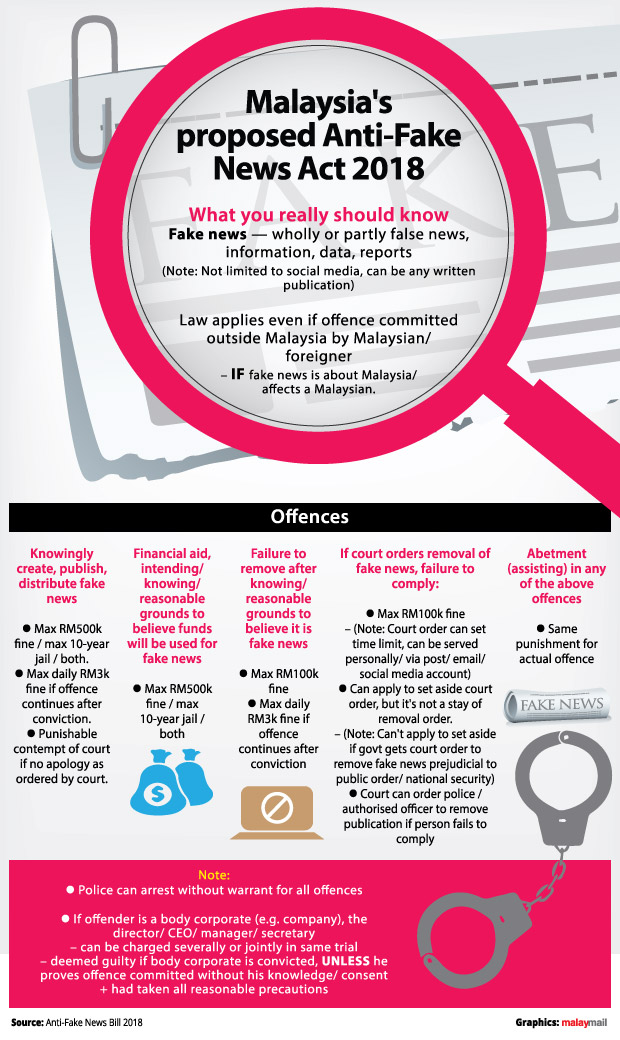
The government has introduced legislation aimed at curbing the spread of false information, imposing fines and possible imprisonment for repeat offenders. Meanwhile, platforms like Facebook and Twitter have rolled out fact‑checking labels for stories flagged by local media partners.
These steps are a start, but they often stumble on two fronts. Legal action can be perceived as a tool for political suppression, discouraging genuine reporting of misinformation. Automated fact‑checkers, on the other hand, sometimes miss context, labeling nuanced commentary as outright false. The net result is a patchwork of solutions that leaves many gaps.
Practical solutions for citizens and platforms
Verify before you share. A quick glance at the URL, checking whether reputable outlets have covered the story, or using a reverse‑image search can halt a rumor in its tracks. Even a brief pause—say, a minute—makes a difference.
Community‑driven moderation. Local groups on messaging apps can set up “fact‑check hubs” where members submit suspicious posts for review. When a rumor is debunked, the group can broadcast a correction, leveraging the same networks that spread the false claim.
Platforms should fine‑tune their algorithms to reward content with higher credibility scores, not just higher engagement. Providing users with a simple “source rating” next to each post could encourage more discerning consumption.
Education remains the longest‑lasting shield. Schools and workplaces can incorporate media‑literacy modules that teach how to spot click‑bait headlines, identify deep‑fake cues, and understand the motivations behind misinformation campaigns.
What you can do today
- Ask yourself: Who is the original source, and why would they publish this?
- Cross‑reference the claim with at least two established news outlets.
- Use tools like InVID for video verification or Google Reverse Image Search for photos.
- Report persistent false content to the platform and, if relevant, to local fact‑checking bodies.
Frequently Asked Questions
Q: How can I tell if a news article is a satire piece?
A: Satire usually includes an obvious disclaimer, a humorous tone, or an exaggerated premise. If the language feels overly absurd or the source is known for parody, treat it with caution.
Q: Does Malaysia have an official fact‑checking organization?
A: Yes, several NGOs and media groups run independent fact‑checking services, such as Malaysia Fact Check and the Asia Fact Check Network. Their websites publish debunked claims and explanations.
Q: Will legal penalties actually reduce fake news?
A: Laws can deter repeat offenders, but they are most effective when paired with public awareness campaigns and transparent enforcement that respects free speech.