How Irish Immigration Shaped America’s History Since the 1800s
When ships bearing the green‑clad hopes of Ireland first docked along the eastern seaboard, they set in motion a story that still reverberates through American culture, politics, and daily life. From the famine‑driven exodus of the mid‑nineteenth century to the vibrant Irish‑American neighborhoods that dot modern cities, Irish immigration offers a vivid portrait of perseverance and influence.
The Push and Pull of the Mid‑Nineteenth Century
The Great Irish Famine, a catastrophe that unfolded between 1845 and 1852, forced countless families to abandon their homes in search of food and work. Crop failures, disease, and landlord evictions left little choice but to embark on a perilous Atlantic crossing. Across the ocean, the United States promised land, employment, and a fresh start—though the reality was often harsher than the promise.
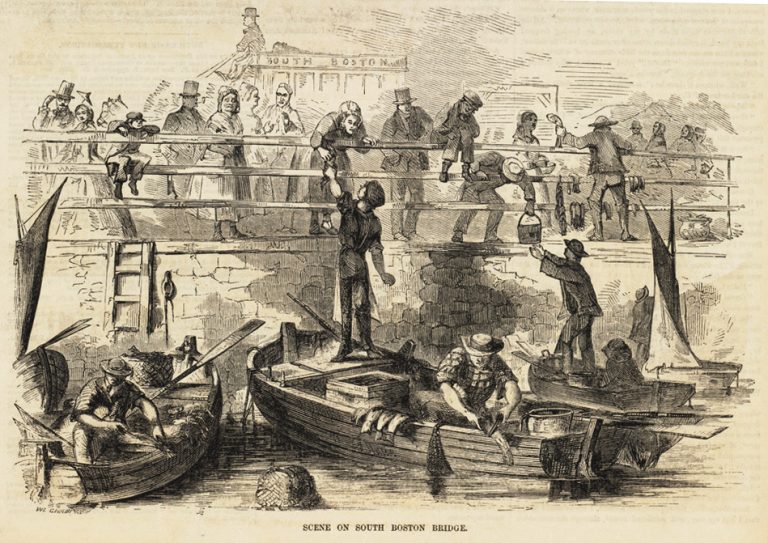
Most early arrivals landed in ports such as New York, Boston, and Philadelphia. Within weeks, they found themselves in crowded tenements, grappling with language barriers and an unfamiliar urban landscape. Yet the promise of wages in factories, railroads, and construction sites kept the tide flowing.
Life in the New World: Struggles and Survival
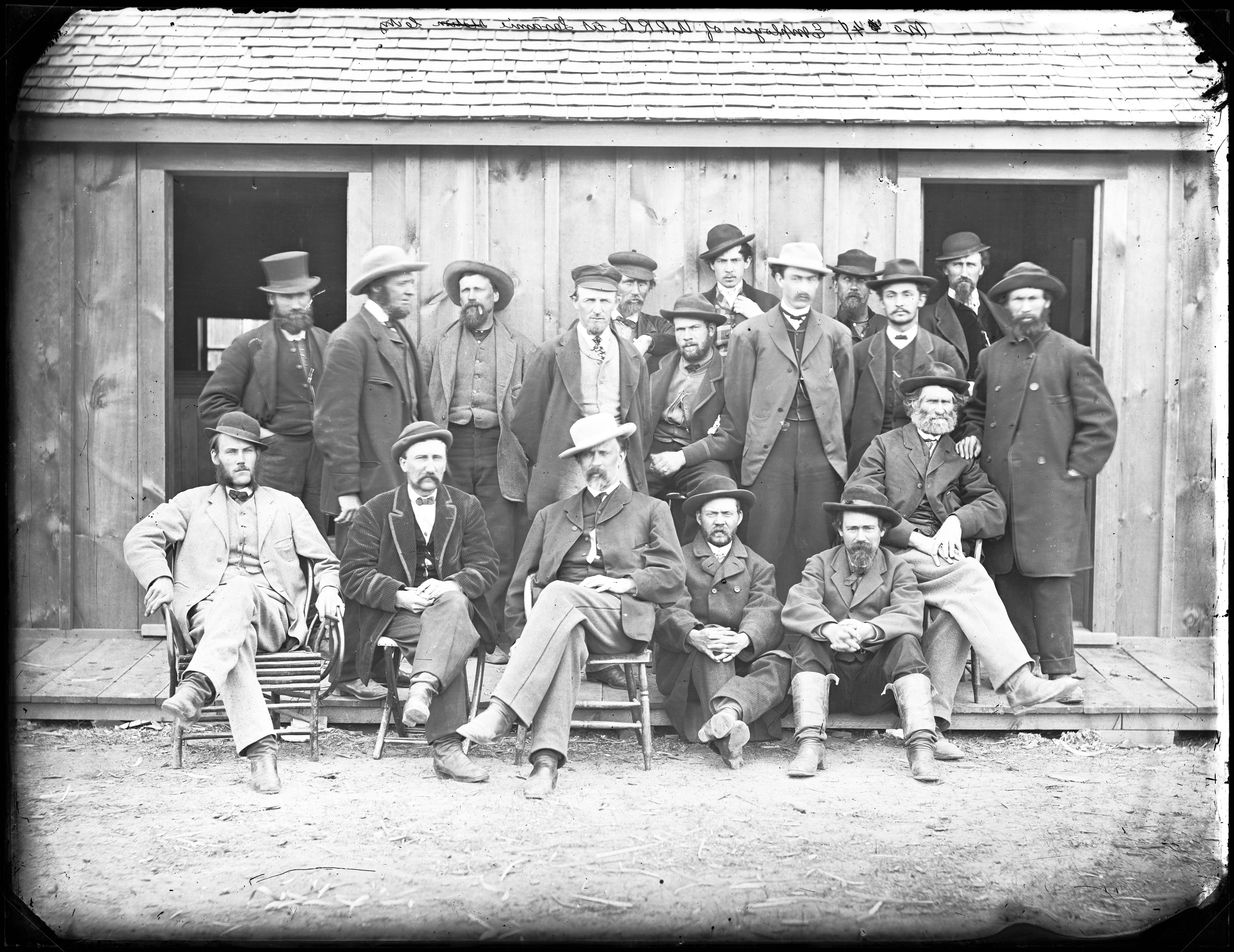
Irish newcomers quickly learned that the American Dream required more than hope. They took up the hardest, lowest‑paid jobs—often for long hours in dangerous conditions. In cities, they formed tightly knit communities, clustering around churches that acted as both spiritual havens and social hubs.
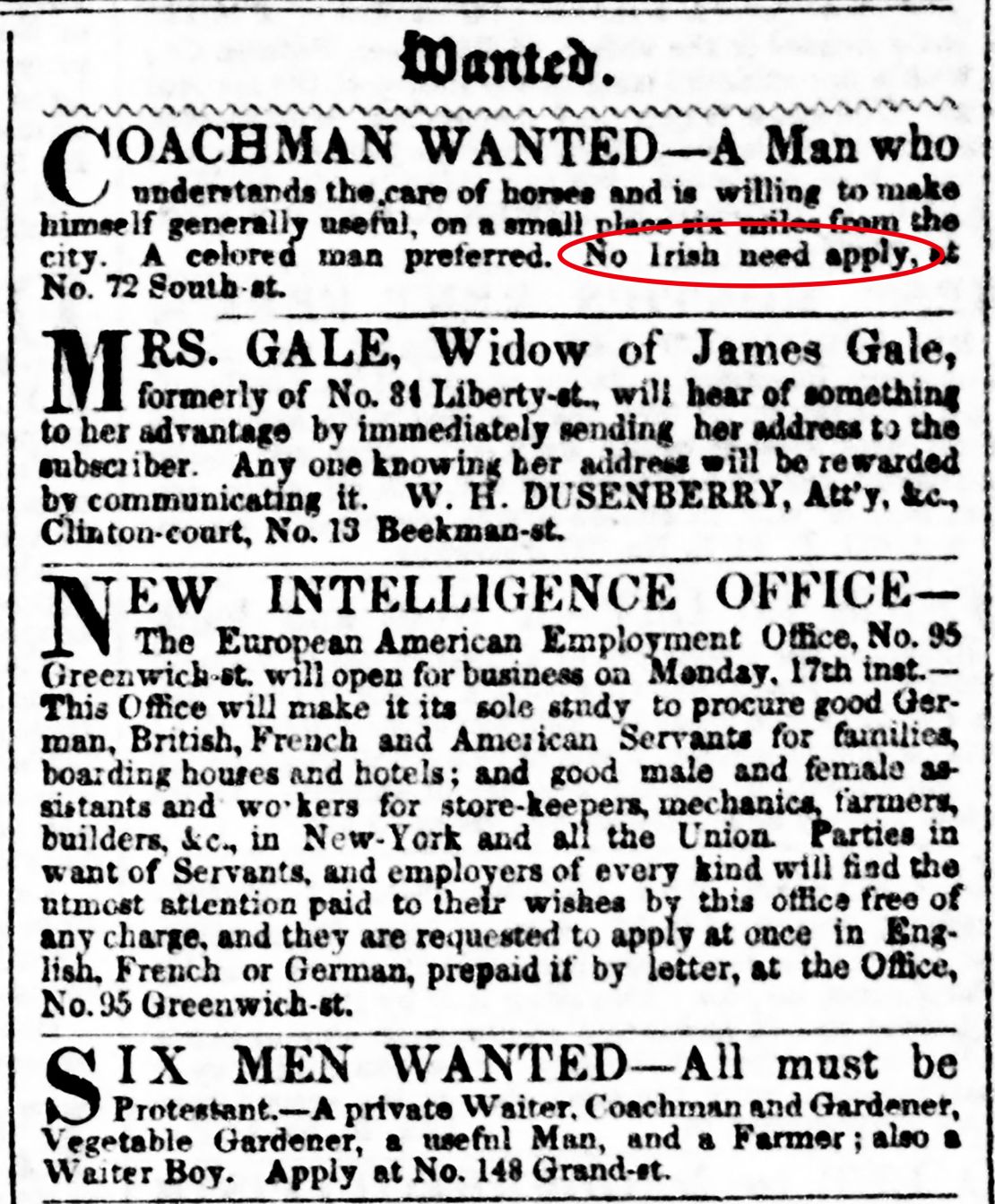
Discrimination was a constant companion. Nativist groups labeled the Irish as "unskilled" and "un-American," and slogans like "No Irish Need Apply" appeared on job postings. Still, the community’s resilience turned these challenges into catalysts for collective action.
From Tenements to Trade Unions
- Labor organization: By the 1860s, Irish workers were instrumental in forming early trade unions, laying groundwork for later labor movements.
- Political mobilization: In cities like Boston and Chicago, Irish voters became a decisive bloc, helping shape municipal policies and party dynamics.
- Community institutions: Parochial schools and charitable societies offered education and support, reinforcing a sense of identity.
Cultural Footprints That Endure
Beyond politics and labor, Irish immigrants left an indelible mark on American culture. Their music, storytelling, and celebrations infused the social fabric of towns and cities. St. Patrick’s Day, once a modest religious observance, evolved into a nationwide celebration of Irish heritage.
Literature and the arts also felt the Irish influence. Writers such as James T. Farrell and later filmmakers like John Ford drew on Irish themes, enriching the American narrative with tales of exile, loyalty, and humor.
Irish Influence in American Politics
The political ascent of Irish Americans is perhaps most evident in the rise of notable figures—from the 19th‑century mayoral machines of Tammany Hall to twentieth‑century presidents with Irish ancestry. Their participation helped broaden the electorate, championing causes like workers’ rights and immigrant protections.
Even today, Irish‑American politicians often emphasize their heritage as a bridge to diverse constituencies, reminding voters of the community’s historic journey from marginalization to mainstream leadership.
The Modern Wave: Continuing Ties
While the massive famine‑driven waves have long receded, Irish immigration never fully stopped. Contemporary migrants arrive for education, technology jobs, and family reunification, often settling in suburbs rather than the crowded urban enclaves of their ancestors.
Today's Irish‑American identity blends reverence for tradition with a forward‑looking embrace of multicultural America. Organizations like the Irish American Heritage Center host language classes, music sessions, and genealogy workshops, ensuring that the legacy remains vibrant.
Why the Irish Story Matters Today
Understanding Irish immigration offers a lens through which to view broader themes of adaptation, discrimination, and contribution that echo in every immigrant experience. It reminds us that the United States has been, and continues to be, reshaped by people who arrive with hopes, confront obstacles, and ultimately leave a lasting imprint.
Frequently Asked Questions
When did Irish immigration to the United States peak?
The most significant surge occurred between 1845 and 1855, directly following the Great Famine, though smaller peaks followed the Civil War and in the early twentieth century.
How did Irish immigrants influence labor movements?
They were among the earliest organized workers, forming unions that advocated for better wages, safer conditions, and the eight‑hour workday—principles that later spread across the American labor landscape.
What are some lasting cultural contributions of Irish Americans?
Beyond St. Patrick’s Day festivities, Irish music, dance, literature, and culinary traditions—like the popularity of soda bread and Irish stew—have become woven into the broader American cultural tapestry.