How Islamic Car Finance Keeps Auto Loans Halal
When you hear “Islamic car finance,” the first question often is whether you can finance a vehicle without compromising religious principles. The answer lies in halal car loans, financial products built on Sharia‑compliant contracts rather than interest‑based borrowing. These arrangements aim to respect the prohibition of riba (usury) while still offering the convenience of modern auto financing. Below, we explore how these loans work, why they differ from conventional options, and what to watch for when choosing a provider.
Understanding Halal Car Loans in Islamic Finance
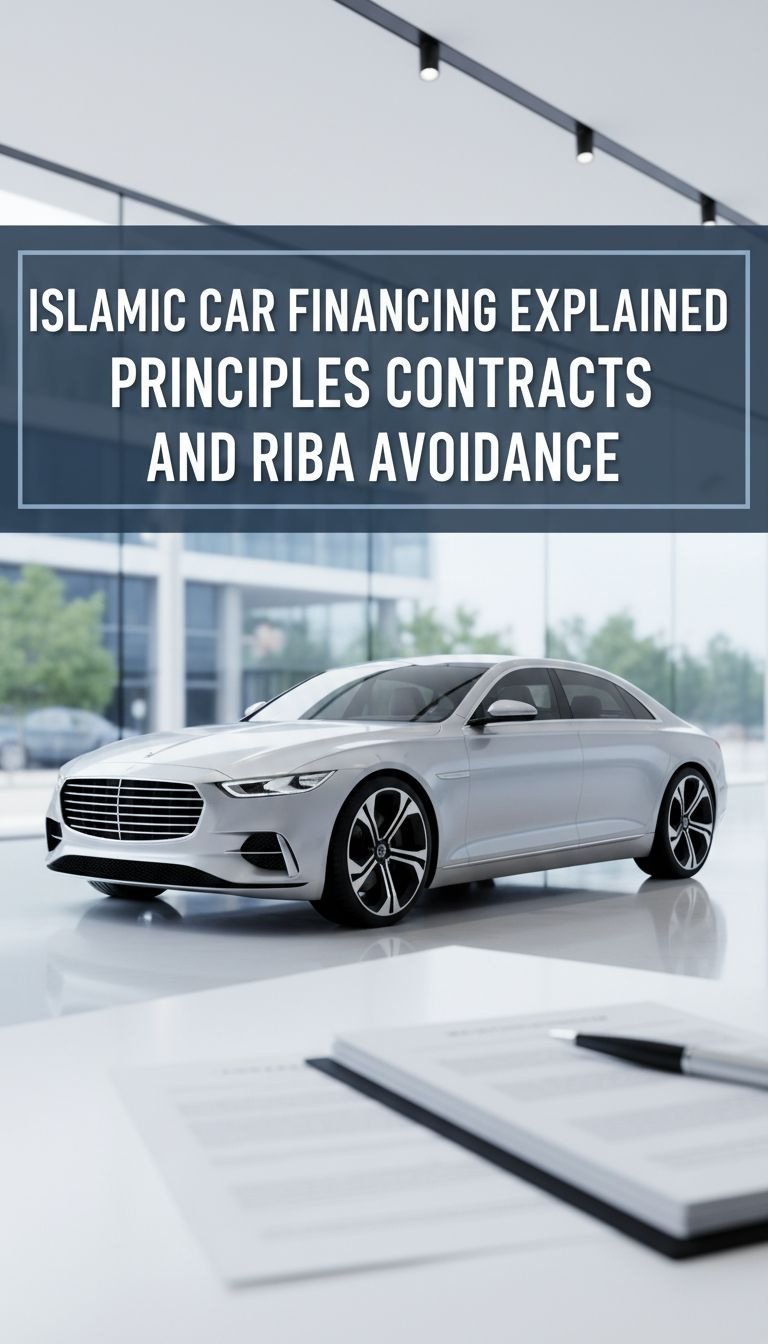
At the heart of a halal car loan is a contract that replaces interest with a profit‑margin or lease arrangement. The most common structures are Murabaha (cost‑plus financing) and Ijarah (leasing). In both cases the bank or finance company purchases the vehicle outright, then transfers ownership to you under clearly defined terms.
Because the lender owns the car initially, the transaction is considered a trade rather than a loan of money. This subtle shift aligns the deal with Islamic jurisprudence, which permits trade and leasing but forbids earning money simply by lending cash at an interest rate.
How Murabaha Works for Car Purchases
Murabaha is the go‑to model for many Muslim car buyers. The process typically unfolds in three steps:
- The buyer selects a vehicle and agrees on a price with the dealer.
- The Islamic finance institution buys the car at that price, adding a pre‑agreed profit margin.
- The buyer repays the institution in fixed installments, which include the original cost plus the margin.
This arrangement is transparent: the profit margin is disclosed up front, and the buyer knows exactly what they’re paying over the term. Since the bank’s earnings come from a trade transaction, not interest, the loan is deemed halal.
Key Differences Between Conventional and Islamic Car Loans
Understanding the practical distinctions helps you decide which product fits your values and budget.
- Interest vs. profit margin: Conventional loans charge interest that fluctuates with market rates. Islamic loans lock in a fixed profit margin, providing certainty about total repayment.
- Ownership timing: In a traditional loan, you own the car from day one while the bank holds a lien. In Murabaha, the bank owns the vehicle first, transferring ownership only after you’ve completed payments.
- Late‑payment penalties: Conventional lenders may impose steep fees. Sharia‑compliant contracts often replace penalties with charitable donations (waqf) to avoid benefiting from a borrower’s hardship.
- Risk sharing: Some Islamic structures, like Ijarah, involve the lessor maintaining the car’s insurance and major repairs, spreading risk more evenly between parties.
Choosing a Sharia‑Compliant Lender
Not every “Islamic” loan automatically meets strict standards. Here’s a quick checklist to verify a provider’s credibility:
- Look for an independent Sharia board that reviews and certifies each product.
- Confirm that the contract language explicitly states the financing method (Murabaha, Ijarah, etc.).
- Ask whether the profit margin is disclosed upfront and remains fixed for the loan’s duration.
- Check that any late‑payment handling aligns with Islamic ethics—typically charitable rather than punitive.
Reputable banks in many countries now publish their Sharia‑compliance certifications online, making it easier to compare offers without sacrificing transparency.
Practical Tips for First‑Time Borrowers
Even with a halal framework, buying a car on finance requires careful budgeting. Consider these steps before signing:
- Calculate the total cost, including the profit margin, insurance, and any ancillary fees.
- Ensure the monthly installment fits comfortably within your cash flow; remember that some Islamic contracts include maintenance responsibilities.
- Shop around for the lowest margin, but also weigh the lender’s reputation and service quality.
- Read the fine print about early repayment. While many Islamic contracts allow it without penalty, some may charge a modest administrative fee.
Common Misconceptions About Halal Car Finance
Many people assume that halal car loans are more expensive or slower to arrange. In reality, the profit margin often mirrors prevailing market rates, and the approval process can be just as swift as with conventional banks. The main difference lies in the contractual language and the ethical intent behind it.
Another myth is that you can’t negotiate the margin. While the margin is usually set at the time of purchase, some lenders are open to discussion, especially for higher‑value vehicles or repeat customers.
Future Trends: Digital Platforms and Greater Accessibility
Technology is reshaping the landscape of Islamic car finance. Mobile apps now let borrowers compare Sharia‑compliant offers, upload documents, and track repayments in real time. This digital shift reduces paperwork, speeds up approvals, and makes halal financing more accessible to younger Muslims who prefer online services.
Moreover, some fintech startups are experimenting with blockchain‑based smart contracts to enforce Murabaha terms automatically, promising even greater transparency and trust.
FAQ
What makes a car loan “halal”?
A halal car loan avoids interest by using trade‑based contracts such as Murabaha or Ijarah, where the lender earns a pre‑agreed profit margin instead of charging riba.
Can I refinance an existing conventional car loan into an Islamic one?
Many Islamic banks offer refinancing options, but the process may involve paying off the original loan and establishing a new Murabaha agreement, which could entail additional fees.
Do I need to pay extra for insurance under Islamic finance?
Insurance is typically required, just like with conventional loans. Some Ijarah contracts include insurance in the monthly payment, while Murabaha agreements usually leave it to the borrower.
Is early repayment allowed without penalties?
Most Sharia‑compliant contracts permit early settlement, often without a penalty. If a fee is charged, it is usually a modest administrative cost rather than an interest penalty.
![Car On Installment From Showroom 2025 [New+2nd Hand Cars]](https://governmentschemes.pk/wp-content/uploads/2024/03/HBL-Islamic-Car-Finance.jpg)