How Klarna Works: Fees, Interest Rates, and What to Expect
When you click “Buy now, pay later” on a shopping site, the brand most shoppers recognize is Klarna. It promises a smoother checkout, but the mechanics can feel a bit hazy. This article breaks down how Klarna works, walks through the various interest‑rate structures, and highlights the hidden costs you should keep an eye on.
How Klarna Works: A Step‑by‑Step Overview
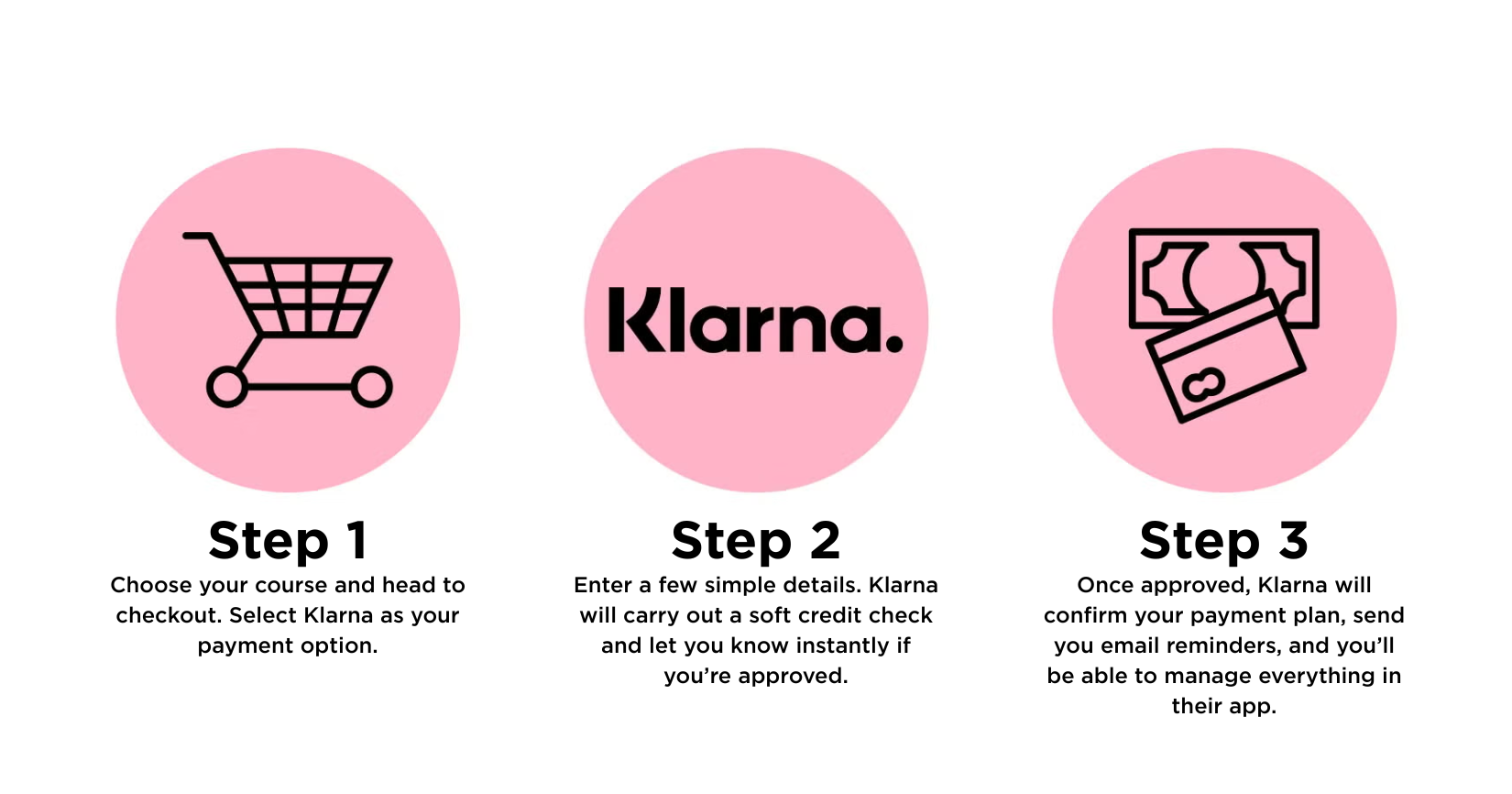
Klarna essentially sits between the retailer and the buyer. After you select Klarna at checkout, the following happens:
- Instant credit check. A soft inquiry runs in the background to gauge eligibility without affecting your credit score.
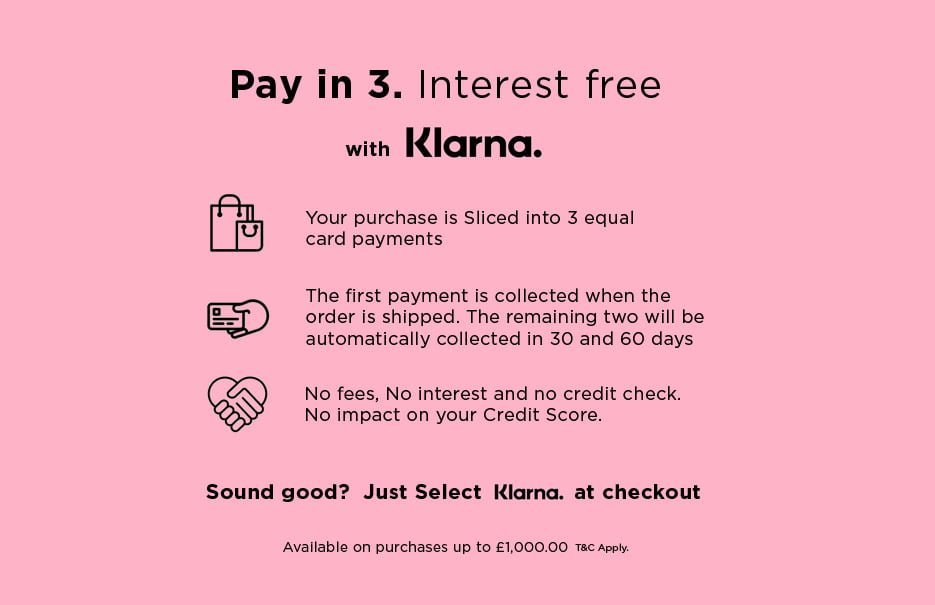
- Choice of payment plan. Most merchants offer a 30‑day “pay later” option, a split‑payment “pay in 4” (or “pay in 3” in some markets), or longer‑term financing that spreads the cost over months.
- Funds transfer. Klarna pays the merchant immediately, so the seller sees the order as paid in full.
- Repayment. You owe Klarna, not the retailer. Depending on the plan you chose, you either repay the full amount within the grace period or make scheduled instalments.
The appeal lies in the seamless experience: you get the product right away, and the payment schedule appears on your Klarna app or via email reminders. If you miss a deadline, Klarna may charge a late‑fee and report the delinquency to credit bureaus, which is why staying on top of the schedule matters.
Interest Rates and Fees Explained
Not all Klarna plans are interest‑free. The “pay later” and “pay in 4” options are typically advertised as 0% APR, provided you meet the repayment dates. However, when you opt for longer financing—say, a 12‑month or 24‑month plan—interest usually kicks in.
Across Europe and the United States, the APR for these longer plans typically ranges from about 10% to 20% annually, though exact percentages depend on your country, credit profile, and the merchant’s agreement with Klarna. Some markets also add a modest origination fee (often a flat $5‑$10) that appears on the first instalment.
Late‑payment fees are another cost layer. Klarna usually imposes a one‑time penalty—commonly $7‑$10 in the U.S. or €5‑€7 in Europe—once a payment is more than a few days overdue. Repeated misses can trigger higher penalties and, eventually, a collection process.
It’s worth noting that Klarna’s interest calculations are transparent in the app: you’ll see the exact amount you’ll owe each month before you confirm the plan. Still, the headline “0%” can be misleading if you accidentally drift into a financing tier that carries interest.
When to Use Klarna (Pros & Cons)
Like any credit product, Klarna shines in certain scenarios and falls short in others.
Pros
- Cash‑flow flexibility. Splitting a purchase into instalments lets you spread out spending without a traditional credit card.
- Zero‑interest short term. For purchases you can comfortably repay within 30 days, you effectively get a short‑term loan for free.
- Convenient checkout. The integration is smooth; you often avoid entering card details repeatedly.
- Purchase protection. Klarna’s dispute process can be more straightforward than dealing directly with a merchant.
Cons
- Potential for hidden costs. If you slip past a payment date, fees and interest can add up quickly.
- Credit impact. While the initial check is soft, repeated use and missed payments can affect your credit score.
- Limited merchant coverage. Not every retailer partners with Klarna, so the option isn’t universally available.
- Spending temptation. The ease of “buy now” can encourage purchases you wouldn’t otherwise make.
Bottom line: If you’re disciplined about budgeting and can guarantee on‑time payments, Klarna can be a handy tool. If you’re prone to forgetfulness or already juggling multiple credit lines, the convenience may come with unwanted financial stress.
Key Tips for Managing Klarna Responsibly
- Set up automatic reminders in the Klarna app or on your phone calendar.
- Review the full repayment schedule before confirming—especially the APR for longer plans.
- Keep an eye on your credit report; a sudden surge in “buy now, pay later” accounts can raise red flags.
- If you anticipate a cash‑flow hiccup, contact Klarna early. They sometimes offer grace periods or payment extensions.
Frequently Asked Questions
Is Klarna a loan?
Technically, yes. When you choose a payment plan, Klarna extends credit to you, which you repay over time. The short‑term “pay later” option functions like a zero‑interest loan as long as you pay on schedule.
Can I use Klarna for online and in‑store purchases?
Primarily online, though a growing number of brick‑and‑mortar shops integrate Klarna through point‑of‑sale terminals. Check the retailer’s checkout page for the Klarna logo.
How does Klarna affect my credit score?
The initial eligibility check is a soft inquiry and won’t affect your score. However, missed payments or defaults are reported as negative items, which can lower your credit rating.
What happens if I return an item bought with Klarna?
Return policies are set by the merchant, but Klarna will adjust your balance accordingly. If you’ve already paid some instalments, you’ll receive a refund for the amount you’ve paid, and the remaining balance will be cleared.