How Many Calories Does a 700‑Meter Walk Burn? Factors to Consider
Understanding the Basics of Calorie Expenditure
When you stroll a short distance, you might not feel the burn, yet your body is quietly converting energy. Calories are a measure of that energy, and walking—no matter the length—requires muscles, lungs, and the heart to work together. The amount you burn depends on speed, terrain, and who you are, not just the distance covered.
In the realm of fitness tracking, the numbers often feel abstract. Think of calories as fuel you’ve spent; the more demanding the activity, the more you deplete your tank.
Calories Burned in a 700‑Meter Walk
For most adults, walking 700 meters (roughly a half‑mile) at a moderate pace burns somewhere between 30 and 50 calories. The range is broad because the calculation rests on several variables, but that figure provides a useful ballpark.
To illustrate, a 70‑kilogram (154‑pound) person walking at 5 km/h (about 3 mph) for 10 minutes—approximately the time needed to cover 700 m—uses roughly 45 calories. A lighter individual will burn less, while a heavier person will burn more, simply because moving extra mass costs more energy.
Key Factors That Influence Your Calorie Count
Don’t let the “one‑size‑fits‑all” myth creep in. Your personal profile and the walking environment shape the numbers dramatically.
- Body weight and composition: Heavier people expend more calories, and muscle tissue burns more energy at rest than fat.
- Pace and intensity: A brisk stroll (6 km/h) can double the calorie burn compared to a leisurely pace (4 km/h).
- Terrain: Walking uphill, on sand, or over uneven ground recruits extra muscles, raising the burn.
- Age and gender: Metabolic rates tend to dip with age, and men often have higher basal metabolism due to greater muscle mass.
- Footwear and biomechanics: Proper shoes can make the walk more efficient, while poor alignment may cause your body to work harder.
Even factors like temperature and wind play a subtle role; colder air can make you shiver, which adds a tiny calorie cost.
How to Estimate Your Own Burn
If you want a personalized figure, start with the basic formula: Calories = MET × weight kg × duration h. Walking at a moderate pace has a MET (Metabolic Equivalent of Task) of about 3.5.
Plug in your numbers. For a 60‑kg person walking for 0.16 hours (≈10 minutes): 3.5 × 60 × 0.16 ≈ 34 calories. Adjust the MET up or down if you’re faster, slower, or tackling hills.
Many smartphones and wearables perform this calculation behind the scenes, but knowing the underlying math helps you spot inconsistencies.
Practical Tips to Maximize the Benefit
Even a short walk can become a mini‑workout with a few tweaks.
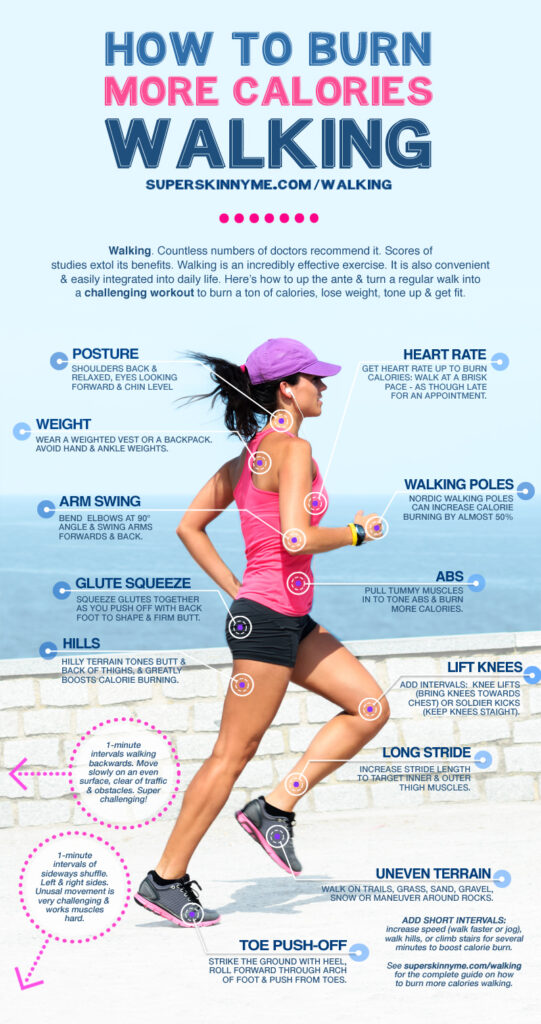
- **Add intervals:** Sprint for 30 seconds every two minutes; the extra intensity spikes calorie burn.
- **Use your arms:** Swinging or carrying light hand weights engages the upper body, raising overall expenditure.
- **Choose varied terrain:** A park trail with gentle inclines can add 10–15% more calories compared to a flat sidewalk.
- **Stay mindful of posture:** An upright stance and engaged core improve efficiency, letting you cover the same distance with less fatigue.
Remember, the goal isn’t just the number on the screen. Consistency, enjoyment, and the added cardiovascular benefits often outweigh a few extra calories.
FAQ
How many calories does a 700‑meter walk burn for a 80‑kg person?
At a moderate pace, roughly 45–60 calories. Heavier weight means more energy spent moving the body.
Can I increase the burn without walking faster?
Yes. Adding hills, carrying a small backpack, or incorporating short bursts of jogging will elevate the calorie count.
Is it worth tracking calories for such a short walk?
If you’re fine‑tuning a weight‑loss plan, every bit helps. Otherwise, focus on total weekly activity rather than obsessing over a single 700‑meter segment.
Do fitness trackers accurately measure this distance’s calorie burn?
They give a reasonable estimate, but accuracy varies by device, heart‑rate sensor quality, and how well you input personal data like weight.