How Much Does CSA Certification Cost in India? A Quick Guide
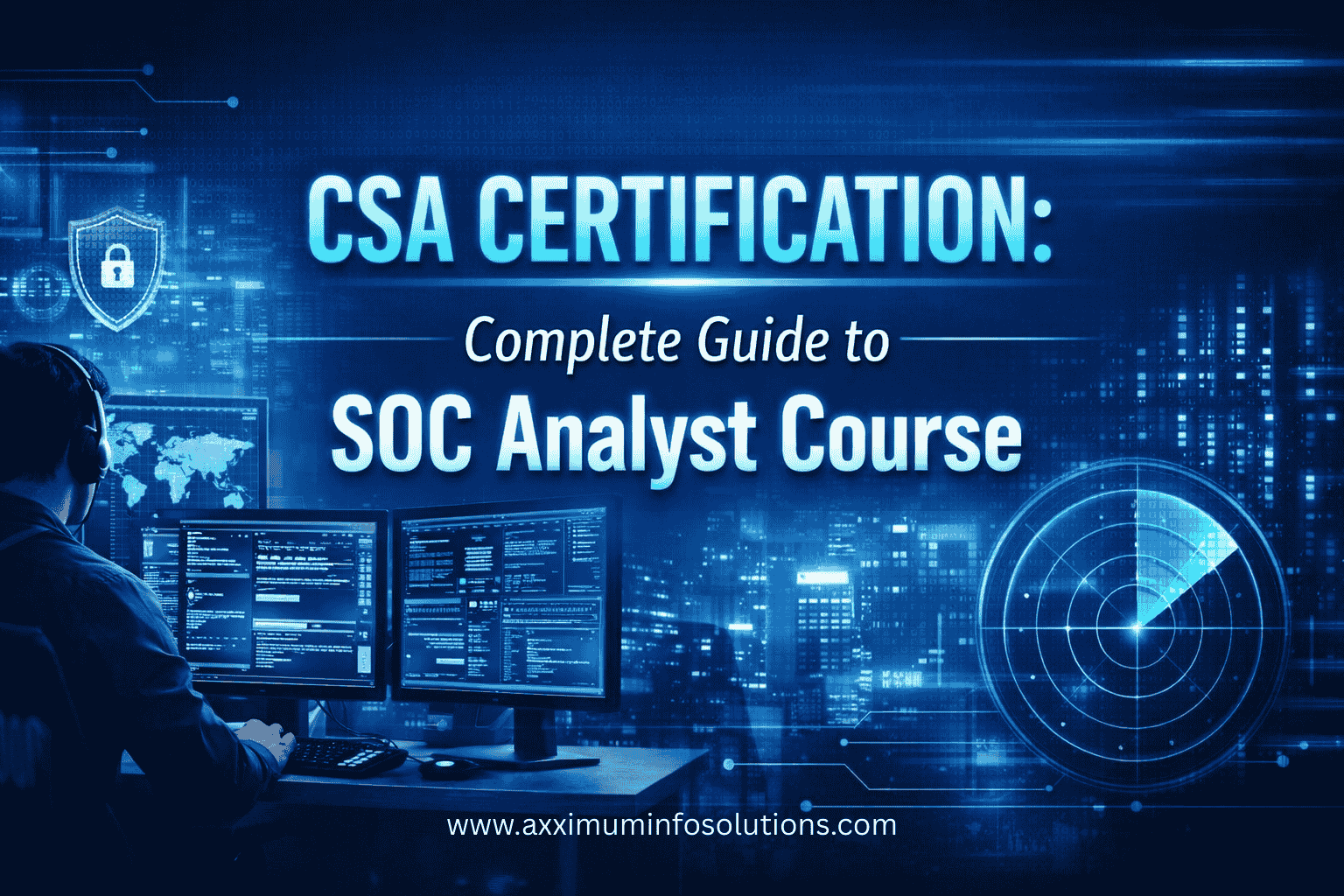
When manufacturers consider exporting or selling products that need to meet international safety standards, the CSA certification cost in India often tops the list of concerns. The CSA Group, based in Canada, offers a range of certification services—from electrical equipment to pressure vessels—that are recognized worldwide. Understanding the fee structure helps you budget realistically and avoid surprise invoices later on. Below, we break down the typical cost components, explain why they vary, and offer tips for keeping expenses under control.
What Does the Certification Process Entail?
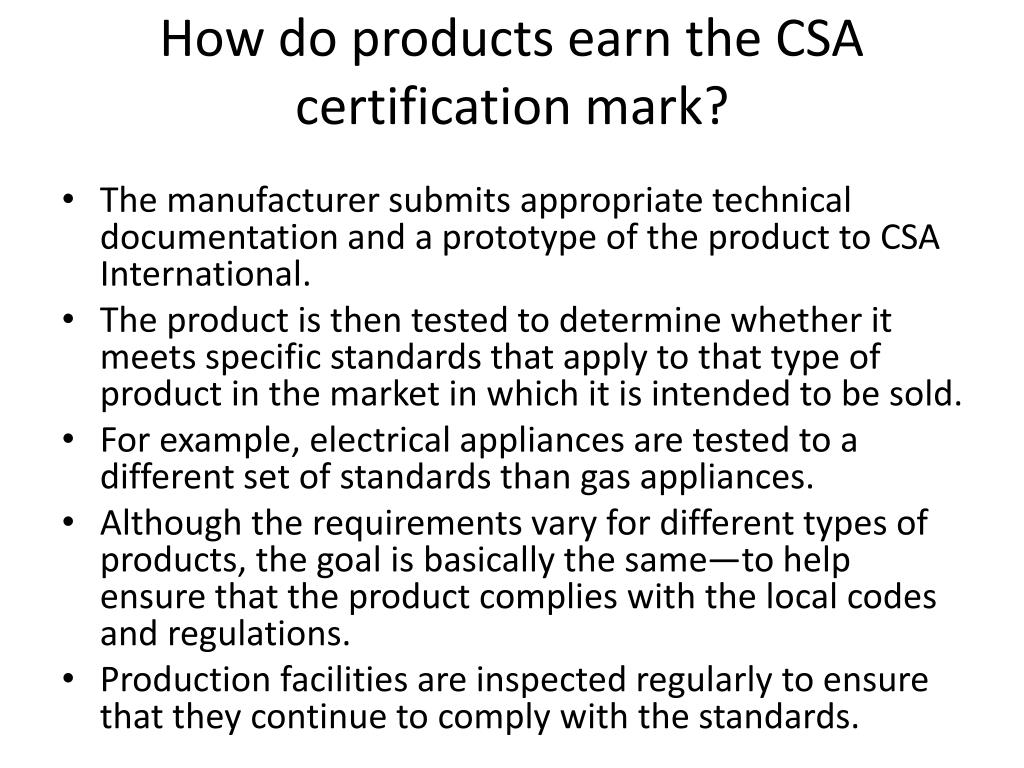
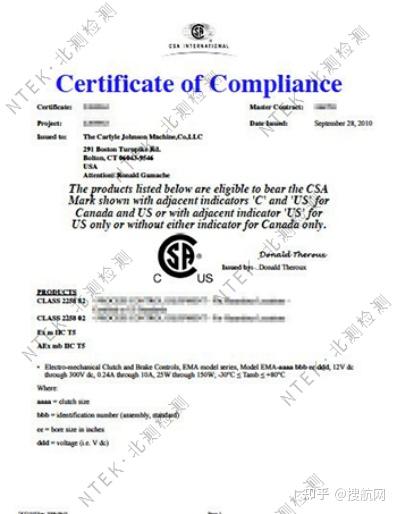
Before any money changes hands, the CSA certification journey follows a few well‑defined steps. First, you submit an application outlining the product specifications and intended market. Next, a designated test laboratory conducts the required safety and performance tests. Finally, a CSA auditor reviews the test reports and, if everything checks out, issues the certification mark.
Each of these stages carries its own fee, and the total cost reflects the complexity of the product, the number of test labs involved, and any follow‑up audits needed for ongoing compliance.
Breaking Down the Fee Structure
The overall expense can be grouped into four main categories. While exact figures depend on your specific situation, the following ranges give a realistic picture for most Indian manufacturers.
- Application and administrative fees: Typically INR 30,000–50,000, covering paperwork processing and initial review.
- Testing fees: Highly variable; simple electrical components might cost INR 50,000–1,00,000, whereas larger assemblies such as pressure vessels can exceed INR 2,00,000.
- Audit and inspection charges: On‑site audits usually range from INR 40,000 to 80,000 per visit, depending on the auditor’s travel distance and the size of the facility.
- Annual surveillance or recertification fees: After the initial certification, expect to pay around 10‑15% of the original cost each year to maintain the mark.
Factors That Cause Prices to Fluctuate
Not all products are created equal, and the same holds true for certification costs. Here are the most common variables that can push the price up or down.
Product complexity. A simple consumer gadget with a single power input will need fewer test points than a multi‑voltage industrial controller. More complex items often require multiple test cycles, raising both lab and labor fees.
Number of standards applied. Some products must meet several CSA standards simultaneously—say, both electrical safety and electromagnetic compatibility. Each additional standard adds a separate testing charge.
Geographic considerations. If the nearest accredited lab is far from your manufacturing hub, shipping samples and coordinating with the lab can increase logistics costs.
Volume of units. High‑volume manufacturers sometimes negotiate bulk testing discounts, while low‑volume or prototype runs may be billed at the standard rate.
How to Estimate Your Budget Accurately
Start by listing every standard your product must comply with. Then, reach out to a few CSA‑accredited labs for quotations on the required tests. Most labs will provide a detailed quote that separates sample preparation, testing, and reporting fees.
Next, add the administrative and audit charges. If you anticipate needing a follow‑up audit within the first year, factor that in now rather than discovering it later. Finally, allocate a modest contingency—around 10% of the total—to cover unexpected retests or additional documentation requests.
Tips for Reducing the Certification Bill
While you can’t eliminate the need for thorough testing, a few strategic moves can soften the financial impact.
- Leverage existing test data. If your product has already passed equivalent standards (e.g., IEC or UL), you may be able to submit those reports as part of the CSA application, cutting down on repeat testing.
- Bundle multiple products. Companies that submit several related items together often receive package discounts from both labs and auditors.
- Plan for pre‑audit checks. Conduct an internal gap analysis before the official CSA audit. Spotting non‑conformities early helps avoid costly re‑audits.
- Consider a local testing partner. Some Indian labs have CSA accreditation and can offer lower travel and shipping costs compared to foreign facilities.
When Is CSA Certification Worth the Investment?
If your target market includes North America, or if your industry mandates CSA compliance for safety‑critical equipment, the certification is often non‑negotiable. Beyond legal requirements, the CSA mark can boost customer confidence, open doors to new contracts, and sometimes even lower insurance premiums.
On the other hand, for products sold exclusively within India, you might find that local standards like IS (Indian Standards) suffice. In such cases, weighing the extra cost against the potential market advantage is essential.
Quick FAQ
Q: How long does the entire CSA certification process take in India?
A: Typically 8–12 weeks from application to issuance, but complex products or multiple standard requirements can extend the timeline.
Q: Can I apply for CSA certification online?
A: Yes, the CSA Group provides an online portal for submitting applications, uploading test reports, and tracking audit status.
Q: Are there any hidden fees I should watch out for?
A: Occasionally, labs may charge extra for sample re‑testing if initial results fall outside tolerance limits. Clarify re‑test policies up front.
Q: Do I need to renew the certification annually?
A: Most CSA marks require annual surveillance audits or recertification fees to ensure ongoing compliance, typically amounting to 10‑15% of the original cost.



:max_bytes(150000):strip_icc():focal(2529x1438:2531x1440)/90-Day-Fiance-The-Other-Way-Sean-Joanne-4ebe4bd859284fd29c354c605bf1700b.jpg)