How NO₂, H₂O, HNO₂, and HNO₃ React in Everyday Chemistry
Understanding the chemical reactions of NO₂, H₂O, HNO₂, and HNO₃ is essential for anyone who’s curious about air quality, acid rain, or the basics of industrial synthesis. These four small molecules may look simple on paper, but together they drive a cascade of transformations that shape both the laboratory bench and the atmosphere overhead.
Why These Molecules Matter
In the world of inorganic chemistry, nitrogen oxides are notorious for their role in pollution, while water is the universal solvent that makes most reactions possible. When NO₂ meets H₂O, a brief but fascinating dance occurs, producing two acids—nitrous (HNO₂) and nitric (HNO₃). Both acids are stepping stones in larger cycles: the nitrogen cycle in nature, and the production of fertilizers, explosives, and dyes in industry.
Quick Look at Their Core Properties
- NO₂ (nitrogen dioxide): a reddish-brown gas with a sharp, acrid smell; paramagnetic and a strong oxidizer.
- H₂O (water): polar liquid, excellent solvent, and the medium where most acid‑base chemistry occurs.
- HNO₂ (nitrous acid): unstable in pure form, exists mainly in solution; tends to decompose into NO and NO₂.
- HNO₃ (nitric acid): a powerful, non‑volatile acid; highly corrosive and a key oxidizing agent.
NO₂ + H₂O: From Gas to Acidic Solution
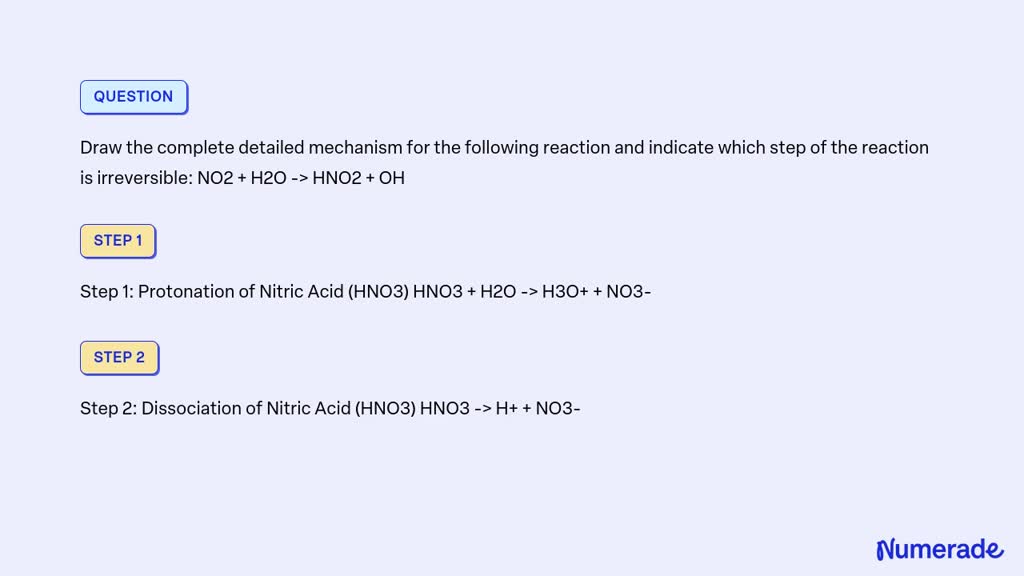
The first step is the hydration of nitrogen dioxide. When NO₂ dissolves in water, it reacts according to the equilibrium:
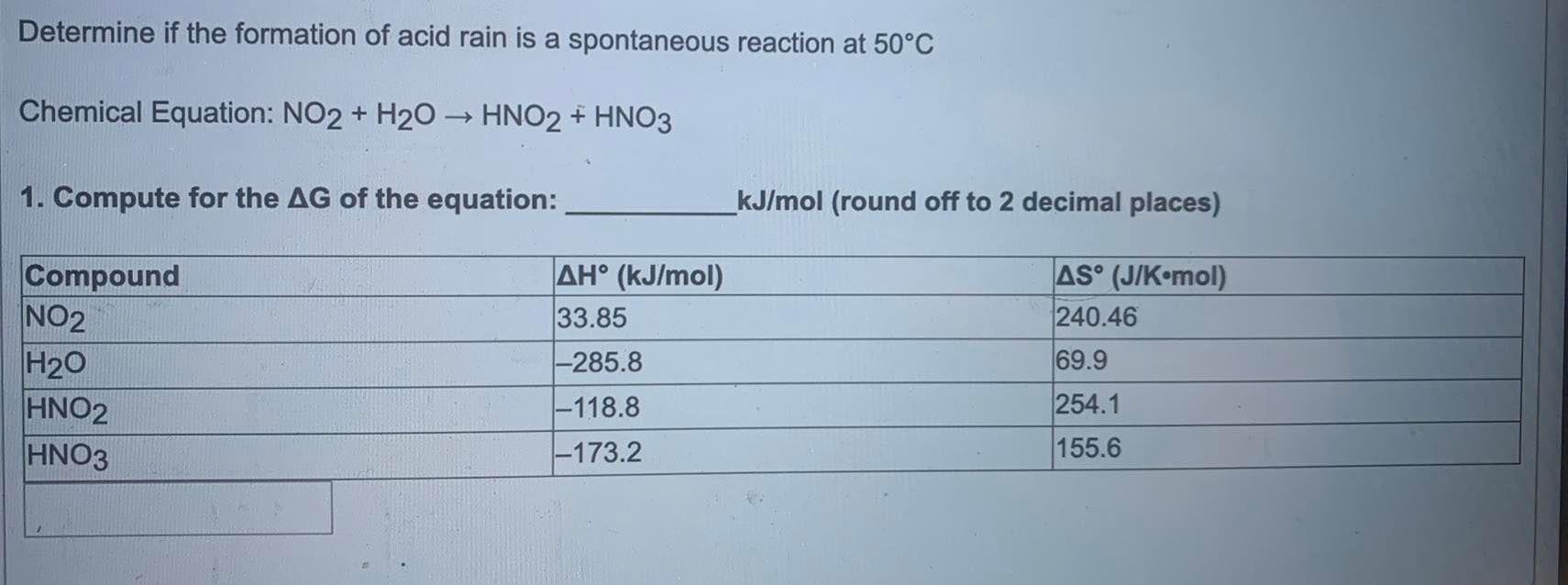
2 NO₂ + H₂O ⇌ HNO₂ + HNO₃
In practice, the mixture yields a solution containing both nitrous and nitric acids. The reaction is driven by the tendency of NO₂ to accept electrons from water’s oxygen atoms, forming the two acids simultaneously. Because HNO₂ is relatively weak and unstable, it often decomposes:
3 HNO₂ → HNO₃ + 2 NO + H₂O
This secondary step shifts the equilibrium toward more nitric acid, especially when the solution is allowed to stand or is heated. The net effect is that most atmospheric NO₂ that dissolves in rain ends up as nitric acid, a primary component of acid rain.
From Nitrous to Nitric: Oxidation Pathways
If you introduce an extra oxidizer—like O₂, O₃, or even additional NO₂—the nitrous acid can be fully oxidized:
2 HNO₂ + O₂ → 2 HNO₃
Industrial processes exploit this route. For instance, the Ostwald process, which manufactures nitric acid on a massive scale, starts with the catalytic oxidation of ammonia to NO, then to NO₂, and finally to HNO₃ through water absorption. The underlying chemistry mirrors the simple aqueous reaction described above, just accelerated by high temperature and platinum‑group metal catalysts.
Practical Examples You Might Encounter
- Acid rain formation: Vehicle exhaust releases NO and NO₂. When these gases dissolve in cloud droplets, the reactions above produce HNO₃, which falls with precipitation and lowers the pH of soils and lakes.
- Laboratory preparation of nitrous acid: Chemists often generate HNO₂ in situ by mixing a solution of sodium nitrite (NaNO₂) with a mineral acid like HCl. The fleeting HNO₂ then acts as a nitrosating agent for organic substrates.
- Metal etching: Concentrated HNO₃ is a go‑to etchant for copper and many other metals, thanks to its strong oxidizing power. The reaction releases NO₂ gas, which can be captured and recycled back into the acid‑production loop.
Safety and Handling Tips
All four species demand respect. NO₂ is toxic and a lung irritant; inhalation can cause pulmonary edema at high concentrations. HNO₃ is corrosive—always wear gloves, goggles, and a lab coat. HNO₂, while less common, decomposes to release NO, a colorless gas that can combine with O₂ to form more NO₂, perpetuating the hazard cycle. Proper ventilation, a fume hood, and neutralizing spills with a basic solution (e.g., sodium bicarbonate) are standard safeguards.
FAQ
What happens when NO₂ reacts with water?
The gas dissolves and undergoes a reversible reaction forming nitrous acid (HNO₂) and nitric acid (HNO₃). Over time, especially in the presence of oxygen, HNO₂ breaks down, shifting the mixture toward more HNO₃.
Can I isolate pure nitrous acid in the lab?
Pure HNO₂ is notoriously unstable; it decomposes rapidly into NO, NO₂, and water. Chemists therefore generate it only in situ, using it immediately for reactions like nitrosation.
Why is nitric acid stronger than nitrous acid?
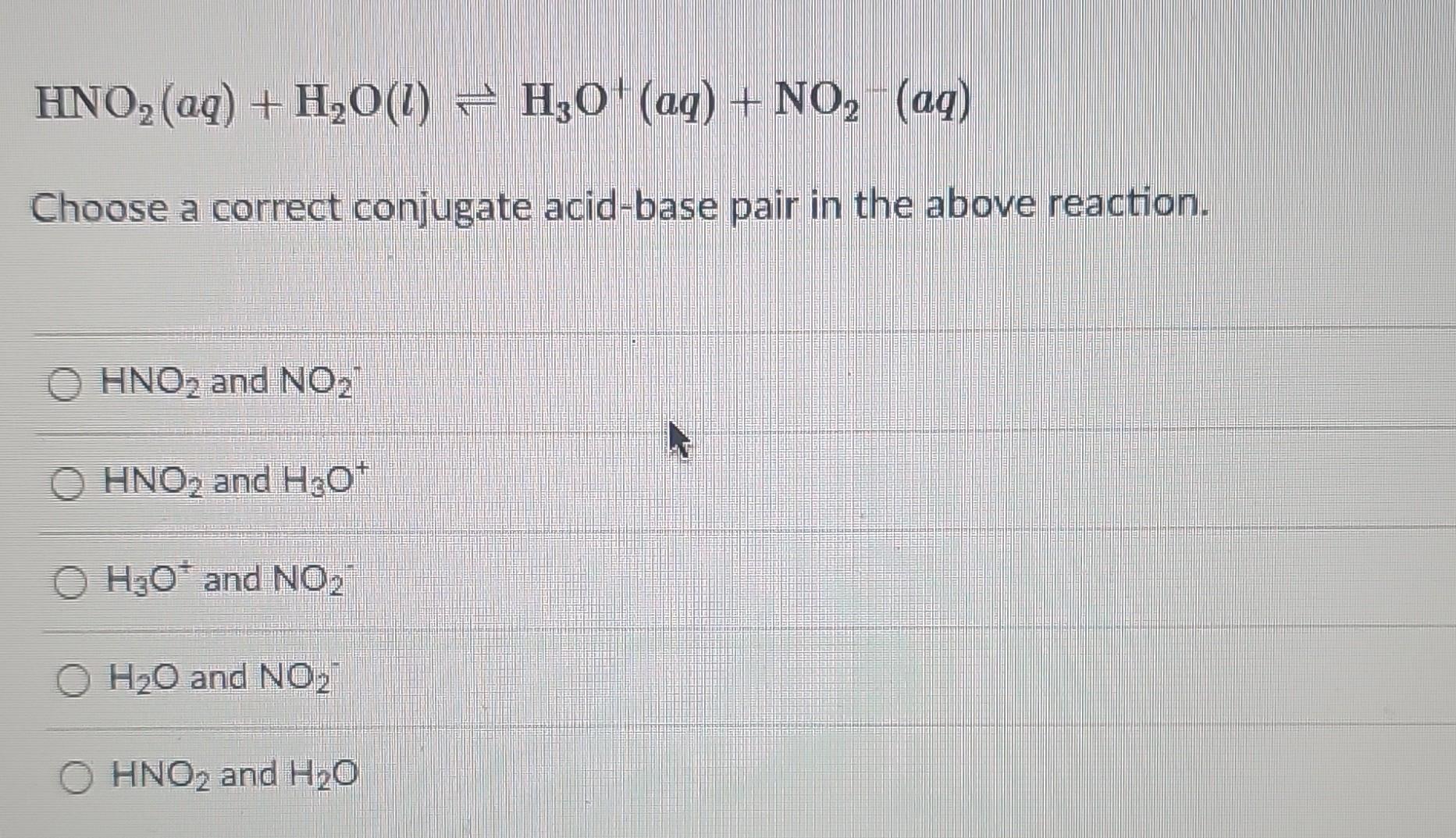
HNO₃ is a fully oxidized nitrogen species (+5 oxidation state), making its O–H bond highly polarized. HNO₂, with nitrogen in a +3 state, can more easily lose electrons, which is why it tends to decompose rather than stay intact.
Is the formation of HNO₃ from NO₂ a major environmental concern?
Yes. When NO₂ from combustion sources dissolves in atmospheric moisture, the resulting HNO₃ contributes to acid rain, which harms ecosystems, corrodes infrastructure, and affects human health.