How Predictive Analytics Is Transforming Finance for Businesses
Predictive analytics in finance is reshaping how banks, insurers, and investment firms make decisions. By blending historical data with sophisticated algorithms, companies can anticipate market shifts, detect fraud before it happens, and personalize client offerings with a precision that was once unimaginable. The promise isn’t hype; it’s a measurable advantage that’s already altering bottom lines.
What Predictive Analytics Brings to Finance
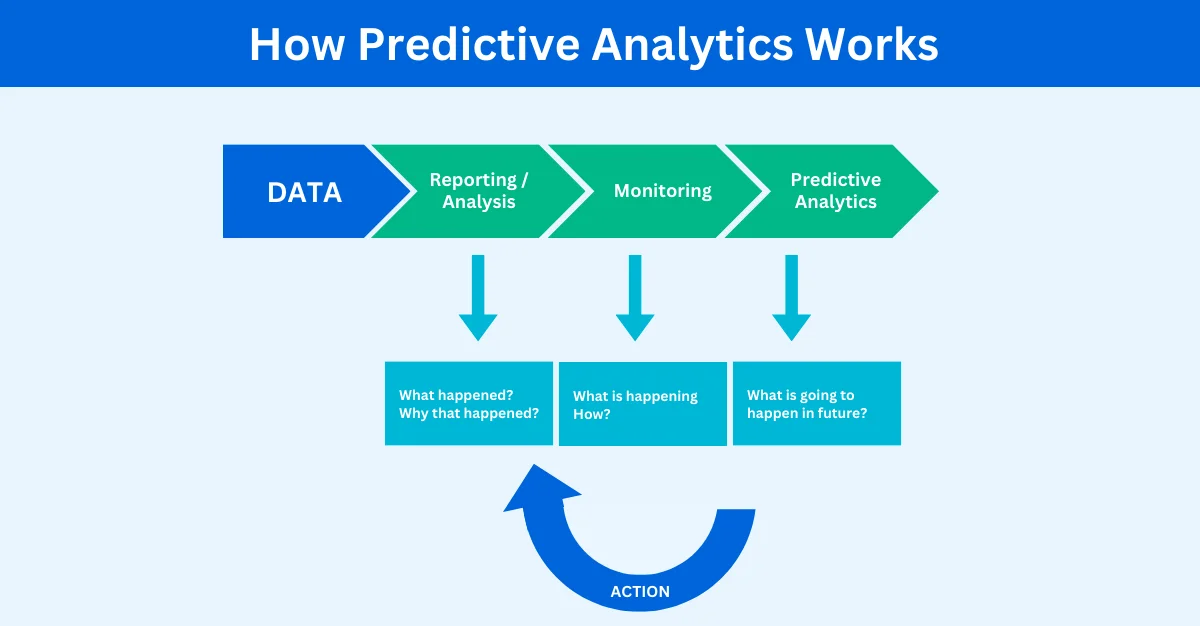
At its core, predictive analytics uses statistical models and machine learning to forecast future events based on past patterns. In the financial realm, this translates into three practical benefits:
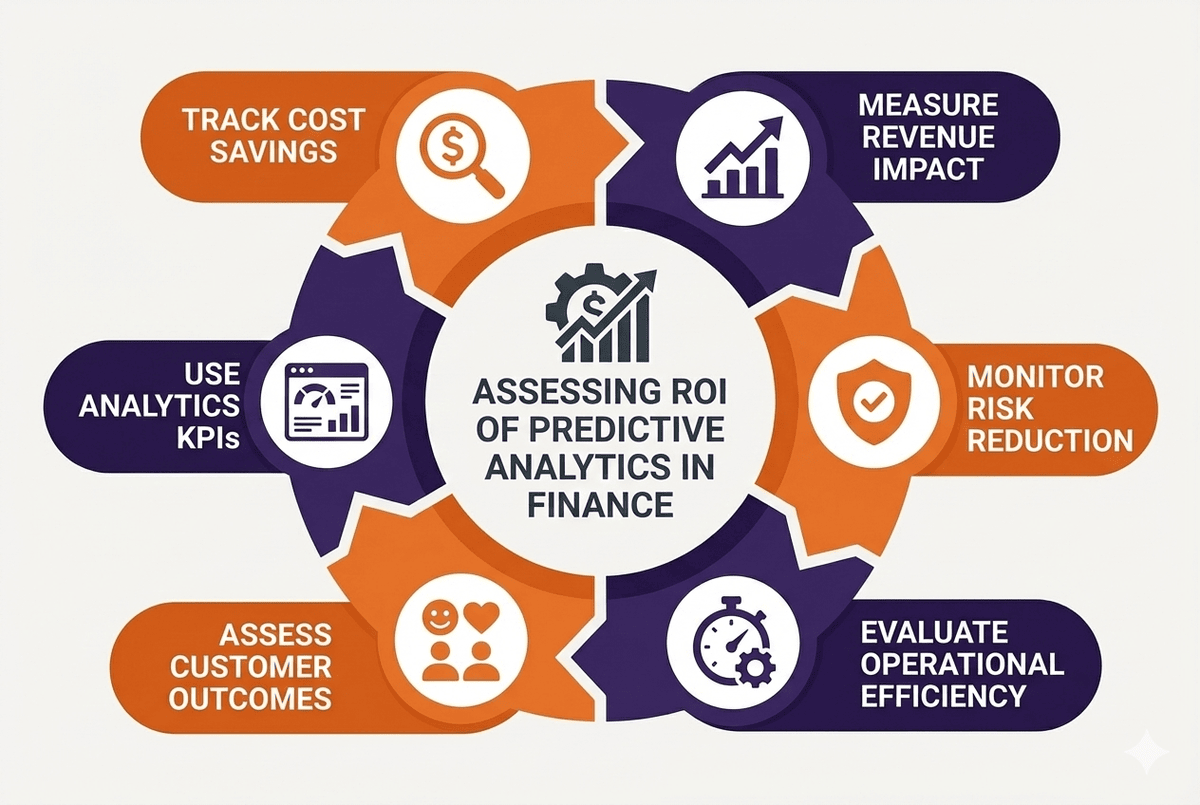
- Risk mitigation – Early warning signals help institutions dodge credit defaults or market crashes.
- Operational efficiency – Automated insights cut down manual analysis, freeing analysts for higher‑value work.
- Customer relevance – Tailored product recommendations boost satisfaction and cross‑selling opportunities.
These outcomes are not theoretical. A midsize bank that adopted a churn‑prediction model reported a 12% reduction in lost customers within six months, simply by reaching out to high‑risk accounts with targeted incentives.
Key Techniques Behind the Numbers
While the buzzwords sound glamorous, the underlying methods are fairly concrete. Here are the most common techniques you’ll encounter:
- Regression analysis – Predicts continuous outcomes such as loan loss provisions.
- Classification trees – Separates transactions into “fraudulent” or “legitimate” categories with high accuracy.
- Time‑series modeling – Captures seasonality in stock prices or commodity rates.
- Neural networks – Handles complex, non‑linear relationships, often used for algorithmic trading.
Choosing the right tool hinges on data quality, the speed of decision‑making required, and regulatory constraints. For instance, a compliance team might favor a transparent logistic regression model over a black‑box neural net to satisfy audit trails.
Real‑World Applications in the Financial Sector
Predictive analytics isn’t confined to a single niche. Below are four areas where its impact is especially visible:
Credit Scoring and Loan Origination
Traditional credit scores rely on a limited set of variables. Modern models ingest thousands of data points—from transaction histories to social media sentiment—to generate a more nuanced risk profile. The result is faster approvals and lower default rates.
Fraud Detection
Machine‑learning engines monitor every transaction in real time, flagging anomalies that deviate from a user’s typical behavior. By continuously learning from new patterns, these systems stay ahead of increasingly sophisticated fraud schemes.
Algorithmic Trading
Quantitative funds feed massive streams of market data into predictive models that execute trades in milliseconds. Although the markets remain volatile, the ability to predict short‑term price movements can provide a competitive edge.
Customer Lifetime Value (CLV) Forecasting
Insurance carriers, for example, use CLV models to determine which policyholders are worth retaining with premium discounts versus those that may be more profitable to let go. This strategic segmentation improves profitability without sacrificing service quality.
Challenges and Ethical Considerations
Even with its advantages, predictive analytics poses several hurdles that finance professionals must navigate.
- Data privacy – Regulations such as GDPR and the CCPA restrict how personal data can be used, demanding rigorous anonymization protocols.
- Model bias – If training data reflects historical inequities, the algorithm may perpetuate them, leading to unfair lending decisions.
- Interpretability – Stakeholders often need to understand why a model flagged a transaction, which can be difficult with deep‑learning approaches.
- Operational risk – Over‑reliance on automated predictions without human oversight can amplify errors when market conditions shift unexpectedly.
Addressing these issues typically involves a blend of transparent model design, regular bias audits, and a clear governance framework that defines who can intervene when a model’s output seems off.
Getting Started: A Practical Roadmap
For firms ready to dip their toes into predictive analytics, a phased approach works best.
- Define the business problem – Whether it’s reducing loan defaults or improving fraud detection, a clear objective guides data selection.
- Assess data readiness – Clean, consolidated, and well‑tagged datasets are the foundation. Invest in data‑quality tools if needed.
- Choose a pilot model – Start with a relatively simple algorithm like logistic regression; it’s easier to explain and iterate.
- Validate and refine – Use back‑testing and cross‑validation to ensure the model performs well on unseen data.
- Scale responsibly – Once validated, integrate the model into existing workflows, but keep a human‑in‑the‑loop for high‑impact decisions.
This iterative cycle encourages learning while minimizing risk, allowing businesses to reap early benefits without committing massive resources upfront.
Frequently Asked Questions
What types of data are most valuable for predictive analytics in finance?
While transaction histories and credit bureau scores are staples, alternative data—such as utility payments, mobile‑phone usage, and even geolocation—can enrich models, especially for underserved populations.
Can small fintech startups compete with large banks using predictive analytics?
Absolutely. Cloud‑based analytics platforms lower the barrier to entry, enabling startups to deploy sophisticated models without hefty infrastructure costs.
How do regulators view the use of AI‑driven predictions?
Regulators focus on transparency and fairness. Providing clear documentation of model inputs, validation results, and remediation steps satisfies most supervisory expectations.
Is predictive analytics a one‑time project?
No. Models degrade as market dynamics evolve, so continuous monitoring, retraining, and governance are essential for long‑term success.