How SAMA Fuels Saudi Arabia’s Economic Engine
When people think about what keeps Saudi Arabia’s economy humming, they often picture oil rigs, bustling free zones, or the gleam of new skyscrapers. But beneath the surface, a steady, invisible force drives policy, stability, and growth: the Saudi Arabian Monetary Authority, or SAMA. Established in 1953, SAMA has grown from a modest institution into the heart of the kingdom’s financial ecosystem. Understanding its role reveals why the country’s economic future depends on more than just crude reserves.
The Foundations of SAMA’s Authority
SAMA is the central bank of Saudi Arabia, empowered to issue the riyal, set interest rates, and regulate the country’s banking sector. Its mandate extends to ensuring financial stability, supervising credit institutions, and safeguarding the public’s confidence in the monetary system. The authority is guided by the Saudi Monetary Law and the Monetary and Banking Regulations, which together create a transparent framework for banks and non-banking financial entities.
Monetary Policy: Steering the Riyal
Unlike many peers, Saudi Arabia does not rely on a floating exchange rate. The riyal is pegged to the U.S. dollar at a fixed rate of about 3.75 riyals to one dollar. SAMA keeps this peg by managing the kingdom’s foreign reserves—currently a substantial portion of the nation’s total assets—and by adjusting policy rates. When the riyal weakens, SAMA can intervene in the foreign‑exchange market to buy riyals, stabilizing prices and preventing imported inflation.
Banking Supervision and Consumer Protection
All commercial banks, credit unions, and foreign institutions operating in Saudi Arabia are licensed by SAMA. The authority sets capital adequacy ratios, monitors risk exposures, and conducts regular audits. By enforcing strict prudential standards, SAMA helps maintain depositor confidence, a key ingredient for a resilient economy.
Driving Vision 2030 and Economic Diversification
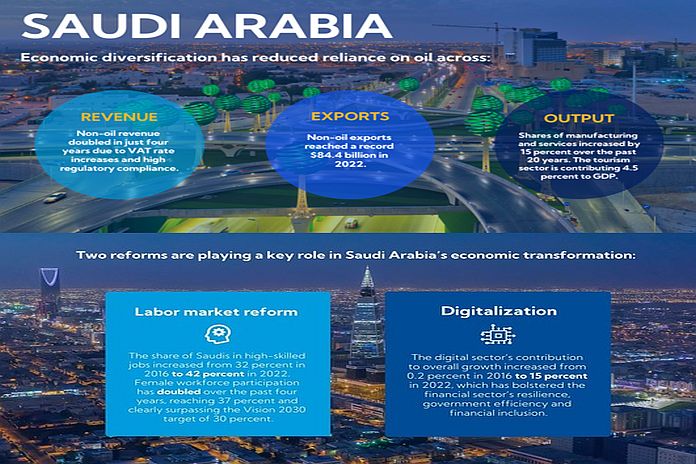
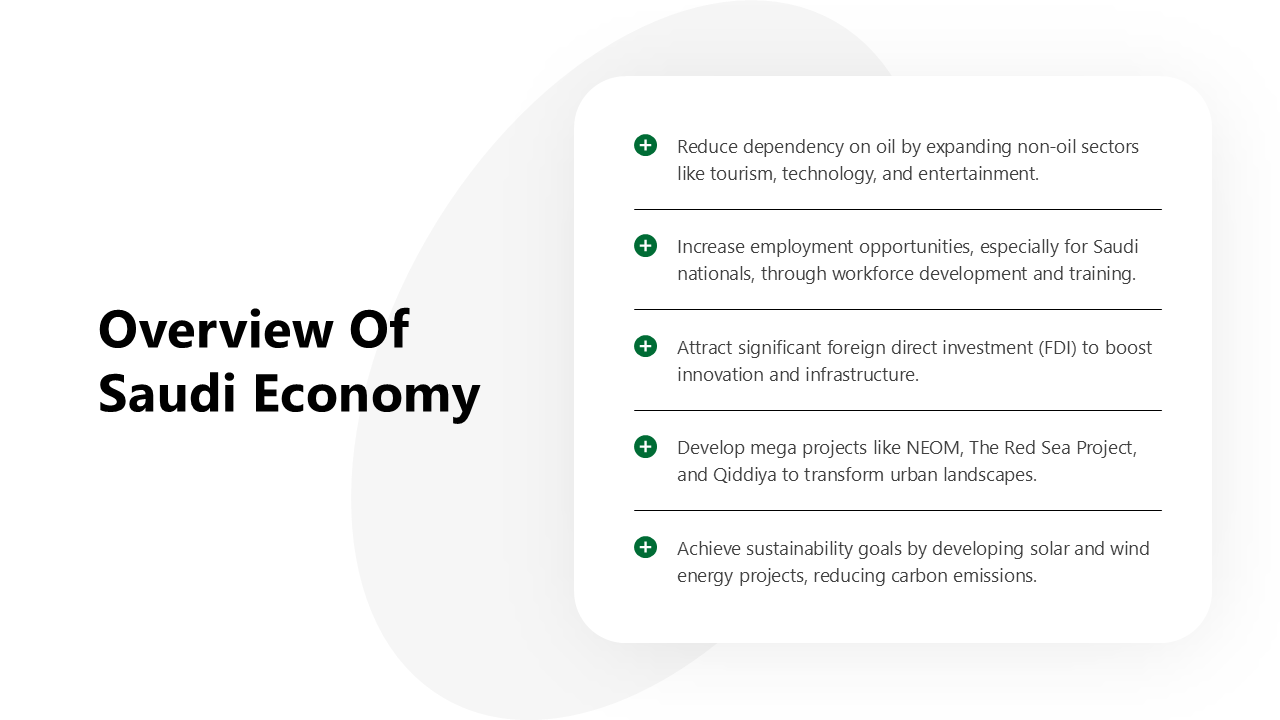
Saudi Arabia’s Vision 2030 seeks to transform the economy from oil dependence to a knowledge‑based society. SAMA plays a strategic role in this shift. The bank has launched initiatives such as the National Transformation Program’s financial sector reforms, encouraging the growth of small and medium enterprises (SMEs) and the expansion of capital markets.
Fintech and Digital Currency Initiatives
Recognizing the global trend toward digital finance, SAMA has introduced the Saudi Electronic Payment System and promoted the adoption of mobile banking. More recently, it has explored a central bank digital currency (CBDC) framework, aiming to streamline payments and increase financial inclusion. While a full rollout is pending, the groundwork showcases SAMA’s commitment to modernizing the monetary landscape.
Supporting the Capital Market
The Tadawul stock exchange, the kingdom’s primary securities market, operates under SAMA’s regulatory umbrella. By enforcing disclosure requirements and protecting investor rights, SAMA enhances market credibility. This, in turn, attracts foreign investment and diversifies funding sources for Saudi companies beyond oil‑derived revenues.
Resilience During Global Shocks
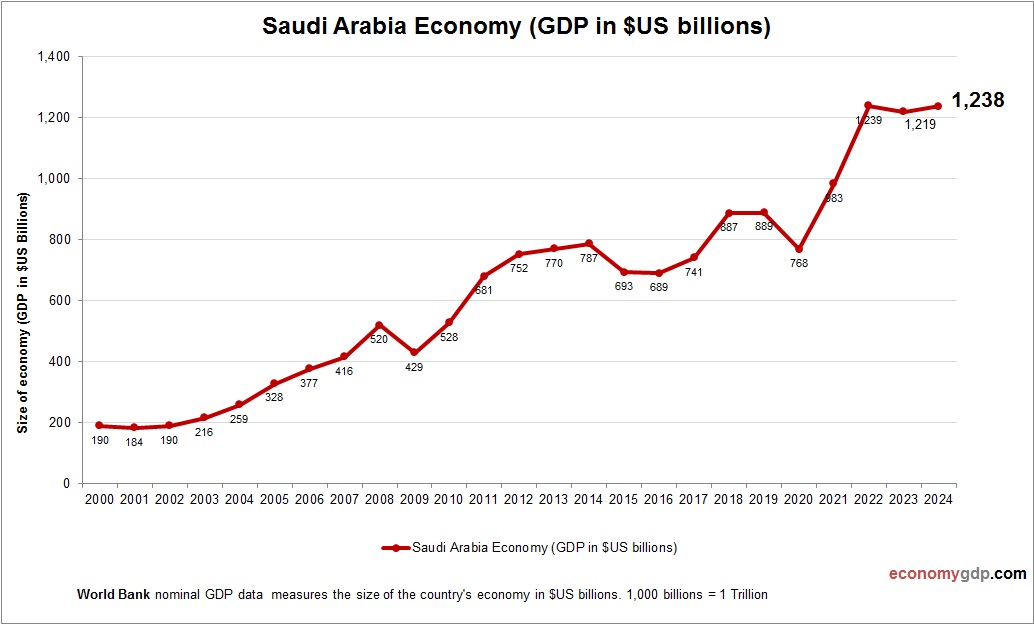
When oil prices dropped sharply in 2014, SAMA’s proactive measures—such as adjusting the discount rate and injecting liquidity—helped cushion the banking sector. During the COVID‑19 pandemic, the bank introduced temporary lending facilities and reduced reserve requirements to keep credit flowing to businesses and households.
Future Challenges and Opportunities
As the global financial environment evolves, SAMA faces several tasks:
- Maintaining the riyal’s peg without compromising fiscal flexibility.
- Expanding financial inclusion, especially in rural areas.
- Integrating ESG (environmental, social, governance) considerations into banking supervision.
- Balancing the push for digital currencies with cyber‑security safeguards.
Addressing these will require continuous innovation while upholding the principles of prudence and transparency that have defined SAMA’s legacy.
Frequently Asked Questions
- What is the main role of SAMA? SAMA sets monetary policy, regulates banks, issues the riyal, and ensures financial stability.
- How does SAMA support Saudi Vision 2030? By fostering financial sector reforms, encouraging fintech, and strengthening the capital market to diversify the economy.
- Can SAMA influence inflation? Yes—through interest‑rate adjustments and liquidity management to control money supply and price levels.