How the Muscular System Powers Movement and Function
What the Muscular System Actually Does
When you pick up a coffee mug, sprint for the bus, or simply blink, you’re witnessing the muscular system in action. Its primary job is to translate electrical signals into mechanical force, allowing everything from subtle facial expressions to explosive jumps. In short, muscular system movement and function are the unseen engines that keep our bodies alive and adaptable.
Types of Muscle Tissue and Their Distinct Roles
Skeletal Muscle: The Engine of Voluntary Motion
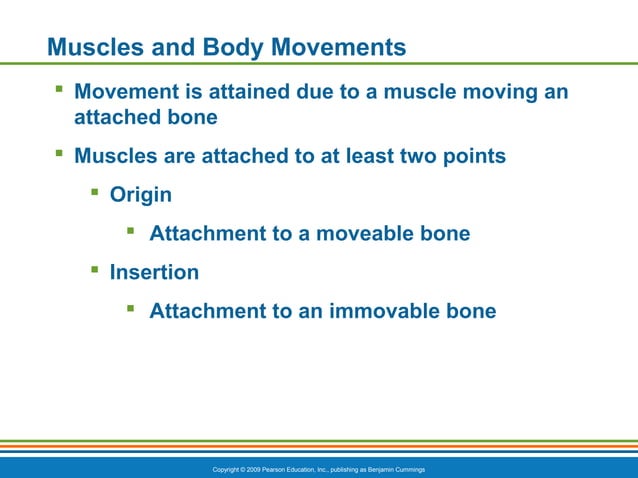
Skeletal muscles are the striated fibers attached to bones by tendons. Because they’re under conscious control, they handle everything you decide to do—lifting, walking, dancing. Their bundled fibers are organized into fascicles, each capable of generating precise forces thanks to a sophisticated arrangement of contractile proteins.
Cardiac Muscle: The Heart’s Unseen Pump
Cardiac muscle looks similar to skeletal muscle under a microscope, yet it works without any input from your will. This involuntary tissue contracts rhythmically, propelling blood through the circulatory system. Its built‑in pacemaker cells and intercalated discs ensure that each beat is synchronized across the whole organ.
Smooth Muscle: Silent Movers in Organs
Found in walls of blood vessels, the digestive tract, and the uterus, smooth muscle is non‑striated and operates automatically. Its slow, sustained contractions regulate blood pressure, push food along the intestines, and facilitate childbirth. Though you never notice it, smooth muscle’s steady work is essential for homeostasis.
How Muscles Create Motion
At the microscopic level, movement begins with the sliding filament theory. Myosin heads latch onto actin filaments, pull them inward, and then release—much like tiny rowing oars. This cycle requires adenosine triphosphate (ATP) for energy, which is supplied by aerobic respiration or, during short bursts, anaerobic pathways. As millions of these cross‑bridge events occur simultaneously, the entire muscle shortens, producing a visible contraction.
From Contraction to Coordination: The Nervous Connection
The nervous system acts as the conductor of the muscular orchestra. Motor neurons fire action potentials that travel down axons to the neuromuscular junction, where acetylcholine is released. This neurotransmitter triggers an electrical change in the muscle fiber’s membrane, initiating the contraction cascade. Reflex arcs—simple loops that bypass the brain—allow rapid responses, such as withdrawing a hand from a hot surface.
Factors That Influence Muscle Performance
- Fiber type composition: Type I fibers are fatigue‑resistant and excel at endurance, while Type II fibers generate powerful, quick bursts of force.
- Training and conditioning: Resistance training enlarges fibers (hypertrophy), whereas aerobic exercise boosts capillary density and mitochondrial count.
- Nutrition: Adequate protein supplies the amino acids needed for repair, while carbohydrates replenish glycogen stores used during intense activity.
- Age and hormones: Testosterone, growth hormone, and insulin‑like growth factor all modulate muscle growth; levels naturally decline with age, contributing to sarcopenia.
Common Issues and How to Keep Muscles Healthy
Muscle strains, cramps, and chronic atrophy are frequent complaints, especially among sedentary individuals. Preventive strategies include regular stretching, balanced strength programs, and staying hydrated to avoid electrolyte imbalances that trigger cramping. When injury does occur, the RICE protocol—rest, ice, compression, elevation—helps reduce inflammation before a gradual return to activity.
Nutrition plays a complementary role. Consuming 1.2–2.0 g of protein per kilogram of body weight each day supports repair and growth. Micronutrients such as magnesium, potassium, and calcium are crucial for proper contraction and relaxation cycles. Finally, quality sleep allows the body to release growth‑promoting hormones and clear metabolic waste from muscle tissue.
FAQ
- What is the difference between a muscle twitch and a full contraction? A twitch is a single, brief contraction of a muscle fiber in response to a single stimulus, whereas a full contraction involves coordinated activation of many fibers, producing noticeable movement.
- Can you increase the number of muscle fibers through training? Human muscle fibers are largely fixed in number; training can enlarge existing fibers (hypertrophy) but does not create new ones, though satellite cells can aid repair and modest fiber addition.
- Why do some people experience muscle cramps more often? Frequent cramping is often linked to dehydration, low electrolyte levels, or over‑use of a muscle without adequate conditioning.
- Is it safe to train the same muscle group daily? Generally, muscles need 48–72 hours of recovery to rebuild strength. Training a muscle group every day can lead to over‑training and increase injury risk.