How to Bake Portuguese Egg Tarts: A Simple Step‑by‑Step Guide
Why Portuguese Egg Tarts Are Worth the Effort
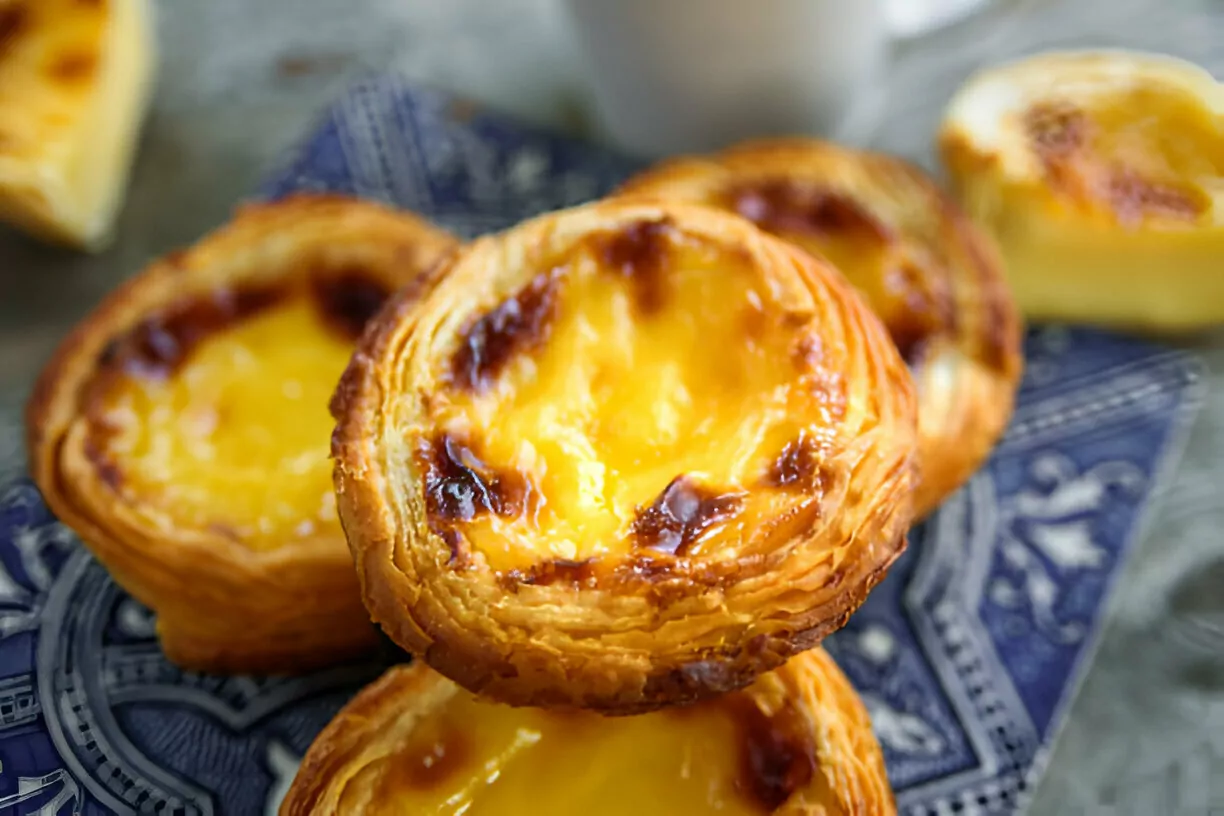
Portuguese egg tarts, known locally as pastéis de nata, have a crisp, buttery pastry that gives way to a silky, caramel‑kissed custard. Their contrast of textures makes them addictive, and the flavor profile—subtle vanilla, a hint of lemon, and that signature caramelized top—feels both familiar and exotic. Because the ingredients are straightforward, anyone willing to follow a clear method can bake delicious Portuguese egg tarts at home.
Choosing the Right Ingredients
Before you start, gather high‑quality basics. The pastry’s flakiness depends on cold butter and a well‑handled dough, while the custard shines when you use fresh dairy.
- All‑purpose flour – 250 g (about 2 cups)
- Unsalted butter – 150 g, chilled and cubed
- Ice water – 80 ml, added gradually
- Whole milk – 200 ml
- Heavy cream – 100 ml
- Granulated sugar – 150 g, plus extra for sprinkling
- Egg yolks – 4 large
- Vanilla bean or pure vanilla extract – 1 tsp
- Lemon zest – from one small lemon
- Ground cinnamon – a pinch, optional for serving
Using butter with at least 80 % fat helps create layers that puff up during baking. If you prefer a slightly lighter pastry, you can substitute half the butter with a neutral oil, but expect a softer crust.
Step‑by‑Step Guide to Bake Portuguese Egg Tarts
1. Make the puff pastry
Combine the flour with a pinch of salt, then cut the cold butter into the flour until the mixture resembles coarse crumbs. Add the ice water a tablespoon at a time, mixing just until the dough comes together. Avoid over‑kneading; you want small butter chunks still visible.
Flatten the dough into a rectangle, wrap it in plastic, and chill for at least 30 minutes. This rest period lets the gluten relax and the butter firm up, both crucial for a flaky result.
2. Roll and fold
On a lightly floured surface, roll the dough into a thin sheet—about 3 mm thick. Fold it into thirds (like a business letter), rotate 90°, and roll again. Repeat the fold‑roll process two more times, chilling the dough for 15 minutes between each turn. The repeated layering creates the airy lift you’ll see after baking.
3. Prepare the custard
In a saucepan, whisk together milk, cream, and half the sugar. Warm the mixture over medium heat until it just begins to steam; do not let it boil. Meanwhile, whisk the egg yolks, remaining sugar, vanilla, and lemon zest in a separate bowl.
Temper the yolks by slowly pouring a ladle of the hot milk mixture into the bowl, whisking constantly. Once combined, return the entire custard to the saucepan and cook on low, stirring gently until it thickens enough to coat the back of a spoon (about 5‑7 minutes). Remove from heat and strain through a fine sieve to eliminate any curdles.
4. Assemble the tarts
Preheat your oven to 250 °C (482 °F). Grease a 12‑cup muffin tin with a thin layer of butter or non‑stick spray. Roll the chilled pastry into a thin sheet again, then cut circles slightly larger than the tin’s wells.
Press each pastry circle into a cup, ensuring the edges cling to the sides. The pastry should be thin enough that you can see the bottom through the custard once baked.
Fill each pastry shell with the custard, leaving a tiny margin at the top. Sprinkle a pinch of extra sugar over each—this will caramelize and give the characteristic speckled glaze.
5. Bake to perfection
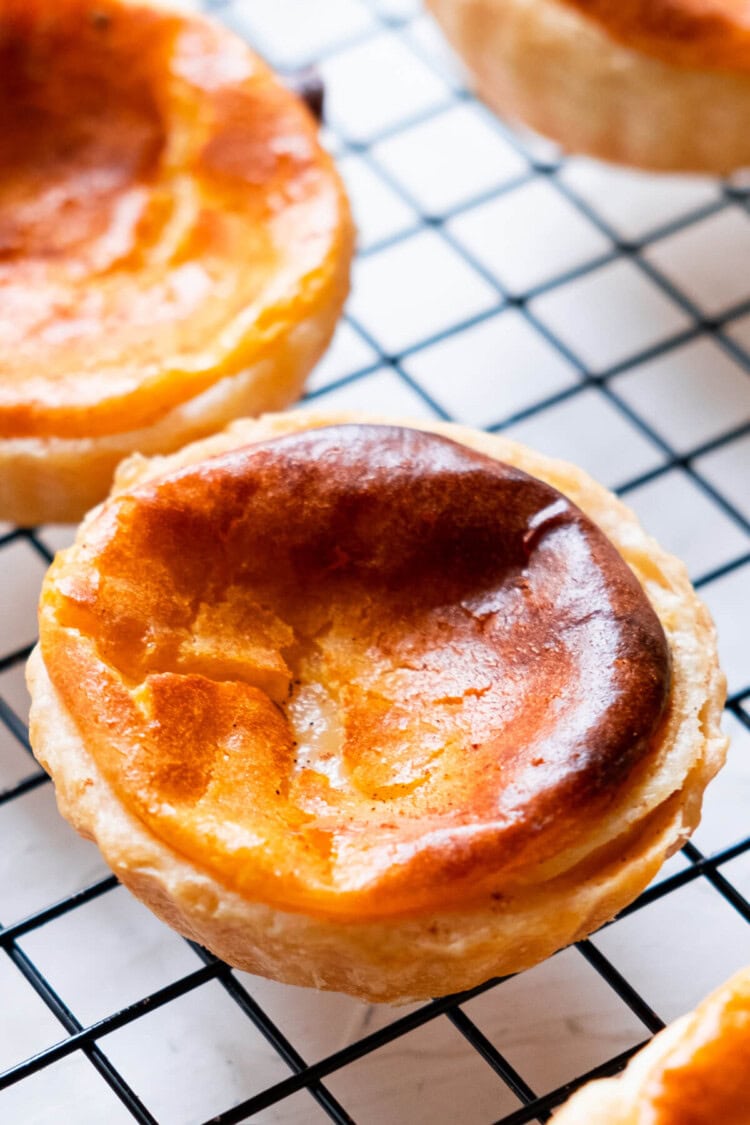
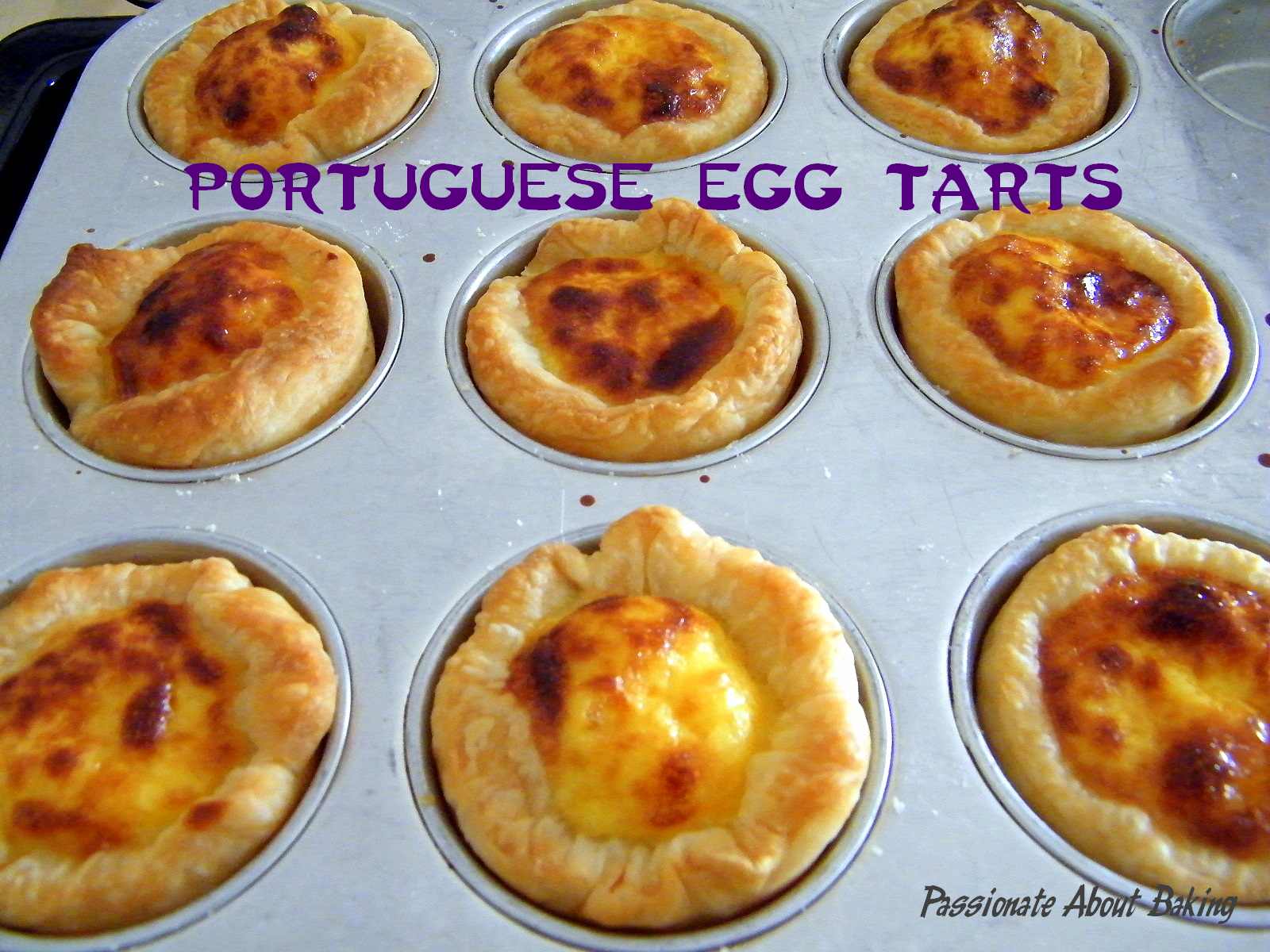
Slide the tin onto the middle rack and bake for 12‑15 minutes, or until the tops blister and turn deep golden brown. Keep a close eye on them; the caramelized surface can go from perfect to burnt in seconds.
When done, remove the tarts and let them rest for a minute before gently tapping the tin to release them. Serve warm, dusted with a little cinnamon if you like.
Tips for Consistently Great Results
- Work quickly when handling the dough; warm hands can melt butter prematurely.
- If the custard appears too runny, give it a few extra minutes on low heat—just don’t let it scramble.
- High oven temperature is key; a cooler bake yields a pale, soggy top instead of the signature caramel spots.
- For a glossy finish, brush the tops with a light glaze of melted sugar before serving.
Common Mistakes to Avoid
Many first‑time bakers over‑mix the pastry, which eliminates the butter pockets that create flakiness. Others under‑bake the custard, leaving a raw center. Finally, neglecting the final sugar sprinkle results in a dull top rather than the expected caramelized crackle.
Frequently Asked Questions
Can I use ready‑made puff pastry instead of making my own?
Yes, a high‑quality store‑bought puff pastry works fine, but the texture may be slightly less airy than a homemade version. If you choose this shortcut, still chill the pastry before cutting and filling.
How long do baked Portuguese egg tarts stay fresh?
At room temperature, they’re best enjoyed within 24 hours. You can refrigerate them for up to three days, but the pastry may lose some crispness; reheating briefly in a hot oven restores the crunch.
Is it necessary to use both milk and cream for the custard?
Combining milk and cream gives the custard a richer mouthfeel while keeping it light enough to set properly. Using only milk yields a thinner filling; using only cream can make it overly dense.
Can I add flavors like cinnamon or orange zest?
Absolutely. A pinch of ground cinnamon on top after baking is traditional in some regions. Orange zest can replace lemon for a brighter note, just keep the amount modest so it doesn’t overpower the custard.


:quality(30):format(webp):focal(0.5x0.5:0.5x0.5)/pekanbaru/foto/bank/originals/Inilah-jawaban-tebak-tebakan-sesuai-yang-kdang-bisa-membuat-kita-tertawa-dan-menangis.jpg)