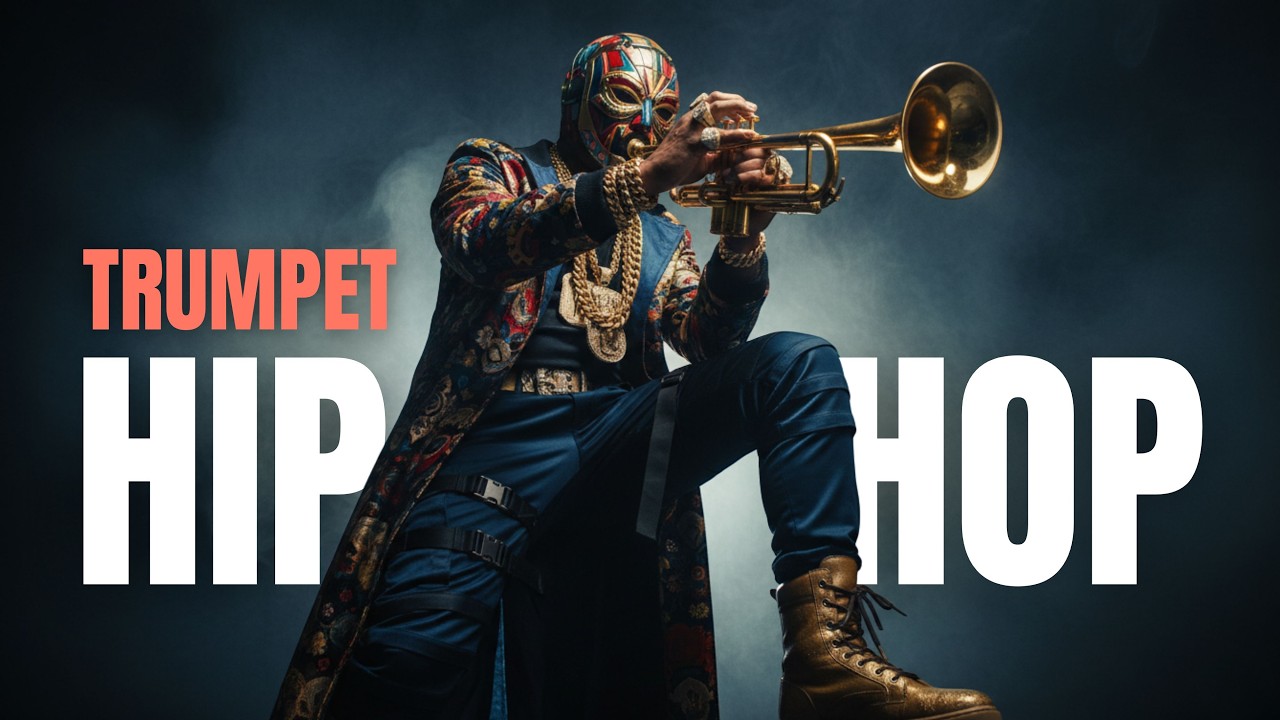
How to Build the Ultimate Mexican Trumpet Hip‑Hop Beat
Blending the bright, punchy timbre of a Mexican trumpet with the gritty groove of hip‑hop creates a sound that’s instantly recognizable yet fresh. Whether you’re a producer looking for a signature vibe or an MC wanting a backdrop that pops, the key is balancing cultural nuance with modern rhythm. Below is a step‑by‑step guide that walks you through the essential ingredients, from sourcing authentic brass samples to shaping the final mix.
Understanding the Musical Roots
Mexican trumpet styles—think mariachi, banda, and norteño—rely on melodic flourishes, rapid runs, and a warm, resonant tone. Hip‑hop, on the other hand, thrives on steady kick‑snare patterns, sub‑bass depth, and syncopated hi‑hats. When you respect both traditions, the beat feels purposeful rather than forced.
- Melodic phrasing: Mexican trumpets often use call‑and‑response motifs. Mimic this by layering a short “call” on top of a rhythmic “response” that repeats every two bars.
- Rhythmic foundation: A classic boom‑bap or trap drum pattern provides the backbone. Keep the tempo between 85–100 BPM for a laid‑back feel, or push to 120–140 BPM if you prefer a club‑ready energy.
Choosing the Right Trumpet Sample or Recording
If you have a live player, great—record multiple takes to capture different dynamics. Otherwise, look for high‑resolution sample libraries that include:
- Articulation layers (staccato, legato, mute)
- Dynamic velocity curves (soft to hard)
- Traditional ornamentation such as trinos and grace notes
When importing the sample, set the root note to match the key of your chord progression. A common choice for Mexican music is D minor, but feel free to experiment; the trumpet’s bright overtones often shine in minor modes.
Crafting the Drum Groove
Start with a simple kick‑snare loop that hits on beats one and three, then add a crisp snare on two and four. Layer a hi‑hat pattern that alternates between straight eighths and shuffled sixteenths—this creates a subtle swing reminiscent of Mexican folk percussion.
To give the drums a Mexican flavor, sprinkle in percussive elements like a tambora or a low‑bongo roll every eight bars. These accents reinforce the cultural context without overwhelming the hip‑hop core.
Writing the Trumpet Melody
Begin with a short, memorable motif—four to eight notes is enough. Use the natural minor scale, but throw in a raised seventh (the harmonic minor) for that dramatic Mexican flair. Once the motif is solid, repeat it with slight variations: invert the intervals, add a quick trill, or shift the rhythm to sync with the snare hits.
Remember to leave space for the vocals or rap verses. A good rule of thumb is to let the trumpet breathe for two bars before the next lyrical line drops.
Arranging the Beat
A typical arrangement might look like this:
- Intro (8 bars): Filtered trumpet melody with ambient reverb, gradually introducing the kick.
- Verse (16 bars): Full drum loop, bass line, and a minimalist trumpet phrase that plays off the vocal cadence.
- Pre‑chorus (8 bars): Add a secondary trumpet line, perhaps an octave higher, and increase hi‑hat intensity.
- Chorus (8 bars): Unleash the main trumpet hook, double the snare, and let the bass hit harder.
- Bridge (4–8 bars): Strip back to just drums and a solo trumpet improvisation.
- Outro (8 bars): Fade the drums, let the trumpet echo with delay.
Structuring the track this way ensures each element gets its moment, keeping listeners engaged from start to finish.
Mixing Tips for a Polished Finish
Balancing a bright brass instrument with low‑end hip‑hop elements can be tricky. Here are a few practical steps:
- EQ: Cut a few low frequencies (below 120 Hz) from the trumpet to avoid muddiness, and gently boost around 3–5 kHz for presence.
- Compression: Apply a moderate ratio (2:1) to the trumpet to tame peaks, then side‑chain it to the kick so the low end stays clean.
- Reverb & Delay: Use a short plate reverb for depth, and add a subtle slapback delay that repeats every beat—this gives the brass a sense of space without washing out the rap vocals.
- Stereo Imaging: Pan the main trumpet slightly left, and duplicate a thin, delayed version panned right. This widens the mix while preserving focus.
Finally, reference your track against professional songs that blend brass and hip‑hop, such as “Uptown Funk” (though not Mexican, it illustrates brass in pop) or recent Latin trap hits. Adjust levels until the trumpet feels like a lead voice rather than a background texture.
Common Pitfalls and How to Avoid Them
Beginners often over‑process the trumpet, adding too much distortion or excessive reverb. The result is a sound that competes with, rather than complements, the drums. Keep effects subtle; the authenticity of the Mexican trumpet tone is its strongest selling point.
Another mistake is ignoring rhythmic syncopation. If the trumpet plays straight quarter notes while the drums swing, the groove will feel disjointed. Align the trumpet’s rhythmic accents with the hi‑hat or snare for a cohesive feel.
FAQ
Do I need to know Spanish to use Mexican trumpet elements?
No. Musical phrasing is universal; understanding basic Mexican rhythm patterns helps, but the trumpet’s timbre speaks for itself.
Can I replace the trumpet with a synth brass?
Yes, as long as the synth patch emulates the bright attack and natural overtones of a real trumpet. Layering a subtle acoustic sample underneath can add realism.
What BPM works best for a Mexican‑infused hip‑hop beat?
Typically 85–100 BPM for a relaxed vibe, or 120–140 BPM if you aim for an energetic club track. Choose the tempo that matches the lyrical flow you envision.
Is side‑chain compression essential?
It’s not mandatory, but side‑chaining the trumpet to the kick helps maintain a clean low‑end and prevents the brass from masking the bass.