How to Buy a Car in Indonesia: Step‑by‑Step Beginner’s Guide
Thinking about buying a car in Indonesia can feel like stepping into a bustling market you’ve never visited before. The mix of local dealerships, import regulations, and a wide range of vehicle options makes the process both exciting and a little daunting. This guide walks you through the essential steps, from setting a realistic budget to handling paperwork, so you can drive away with confidence.
Know the Landscape Before You Start
Indonesia’s automotive scene is dominated by a handful of manufacturers, with Toyota, Daihatsu, and Honda holding the largest market share. At the same time, a growing number of electric‑vehicle models are beginning to appear in major cities like Jakarta and Surabaya. Understanding which brands are most prevalent helps you narrow down choices and spot reliable local service networks.
Set a Realistic Budget and Explore Financing
First, decide how much you’re comfortable spending. Remember to factor in not only the sticker price but also insurance, annual tax, and routine maintenance. Many Indonesian banks and credit unions partner with dealerships to offer low‑interest auto loans, often requiring a down payment of 20‑30 % of the vehicle’s price. If you have a stable income, a loan term of 3‑5 years usually balances monthly affordability with total interest paid.
New vs. Used: Which Fits Your Needs?
New cars provide the latest safety features and a full manufacturer warranty, but they also carry a higher price tag and steeper depreciation in the first few years. Used cars, especially those a few years old, can offer excellent value—provided you verify their history. In Indonesia, reputable used‑car platforms such as OLX and Mobil123 list vehicles with detailed service records, making it easier to spot a well‑maintained ride.
Legal Requirements and Paperwork
Before you sign anything, make sure you understand the mandatory documents:
- STNK (Vehicle Registration Certificate) – proves the car is legally registered.
- BPKB (Vehicle Ownership Certificate) – confirms you own the vehicle.
- Tax and insurance receipts – required for both new and used purchases.
All documents must be in your name, and the transfer process typically takes a few days at the local Samsat office. If you’re buying from a dealer, they often handle the paperwork for a modest fee.
Inspect, Test‑Drive, and Verify
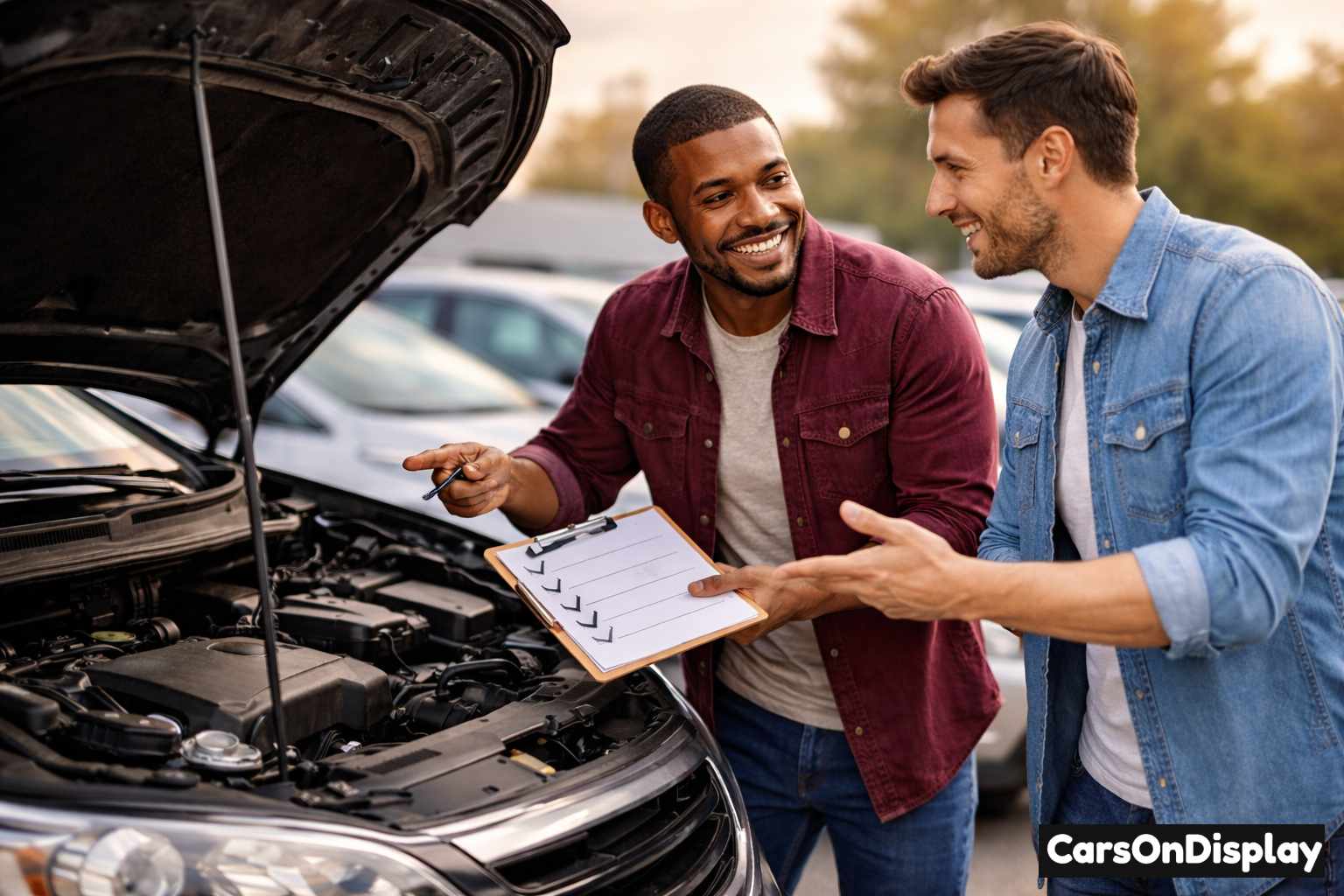
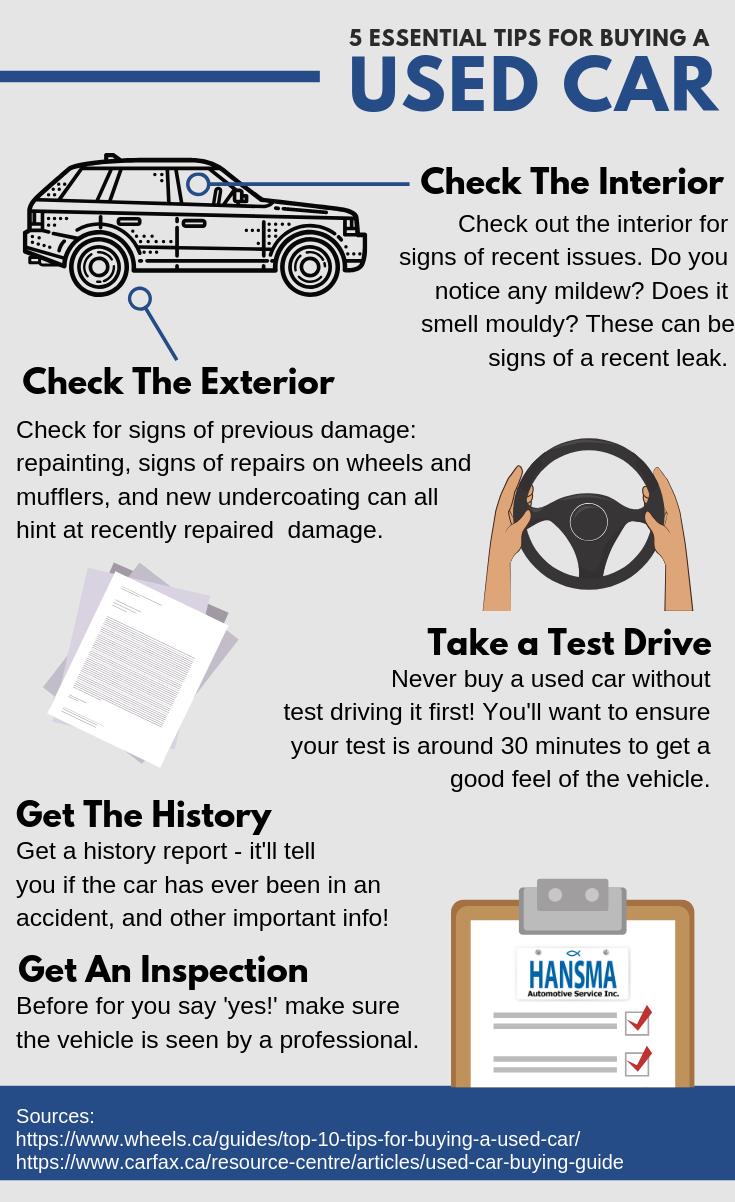
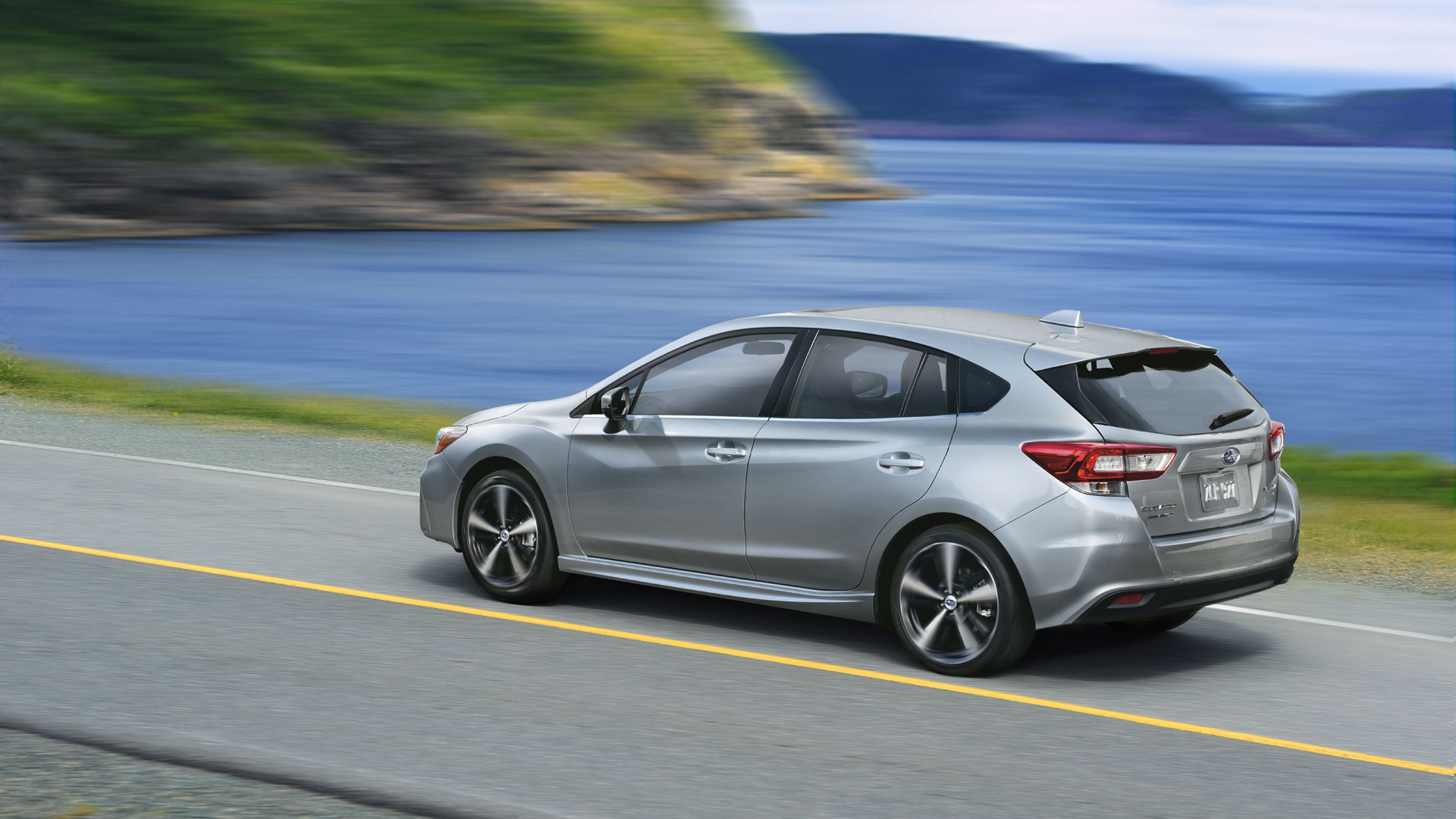
Whether you’re eyeing a brand‑new sedan or a pre‑owned hatchback, a thorough inspection is non‑negotiable. Check the body for rust or mismatched paint, and ensure all lights, brakes, and electronics work properly. For used cars, ask for a recent service booklet and consider a professional mechanic’s opinion—especially if the mileage exceeds 80,000 km.
Negotiation Tips Tailored to Indonesia
Dealers in Indonesia often quote a price that leaves room for negotiation. A good rule of thumb is to start 5‑10 % below the advertised amount, especially if you’ve done your homework on comparable models. Be prepared to walk away; many sellers will sweeten the deal with free accessories or a discounted insurance package if they sense genuine interest.
After the Sale: Registration, Insurance, and Maintenance
Once the contract is signed, the next steps are registering the vehicle and securing insurance. Compulsory third‑party liability insurance (Jasa Raharja) is mandatory, but you’ll likely want comprehensive coverage for peace of mind. Schedule your first service at an authorized dealer to keep the warranty intact, and keep a log of all maintenance—this not only preserves resale value but also helps you stay on top of any recall notices.
Common Pitfalls to Avoid
Beginners often overlook a few key details that can lead to headaches later:
- Skipping the verification of the VIN (Vehicle Identification Number) against official records.
- Ignoring the total cost of ownership, which includes fuel efficiency and spare‑part availability.
- Signing contracts without fully understanding financing terms, especially hidden fees.
Taking a moment to double‑check these items can save both money and stress down the road.
Quick FAQ
Do I need a local driver’s license to buy a car?
Yes, a valid Indonesian driving license (SIM) is required for registration and insurance. Foreign residents can use an international license temporarily but must obtain a local SIM within six months.
Can I import a car from abroad?
Importing is possible but involves higher taxes and stricter emissions standards. Most beginners find it simpler to purchase from a local dealer, where after‑sales support is readily available.
What’s the typical resale value after three years?
Generally, a car retains about 60‑70 % of its original price after three years, though this varies by brand, model, and condition.
Is it worth buying an electric vehicle now?
Electric cars are gaining traction, especially in Jakarta where charging infrastructure is expanding. If you drive mainly in the city and can charge at home or work, an EV can offer lower running costs despite a higher upfront price.