How to Change Your iPhone’s Language in Just a Few Steps
Changing the language on your iPhone can feel daunting, but the process is actually quite straightforward. Whether you’ve just moved abroad, bought a second‑hand device, or simply want to explore a new language, knowing how to change the language on your iPhone saves you time and frustration. Below is a friendly walk‑through that takes you from the Settings app to a fully localized interface, plus a few tips for multilingual power users.
Why Switch Languages?
There are several practical reasons to flip the language setting. A new language can make the device more accessible for family members, help you practice a foreign tongue, or align the UI with the language of an app you use daily. In some cases, regional settings (like date format or keyboard layout) automatically adjust once the language changes, giving you a more cohesive experience.
Where to Find the Language Settings
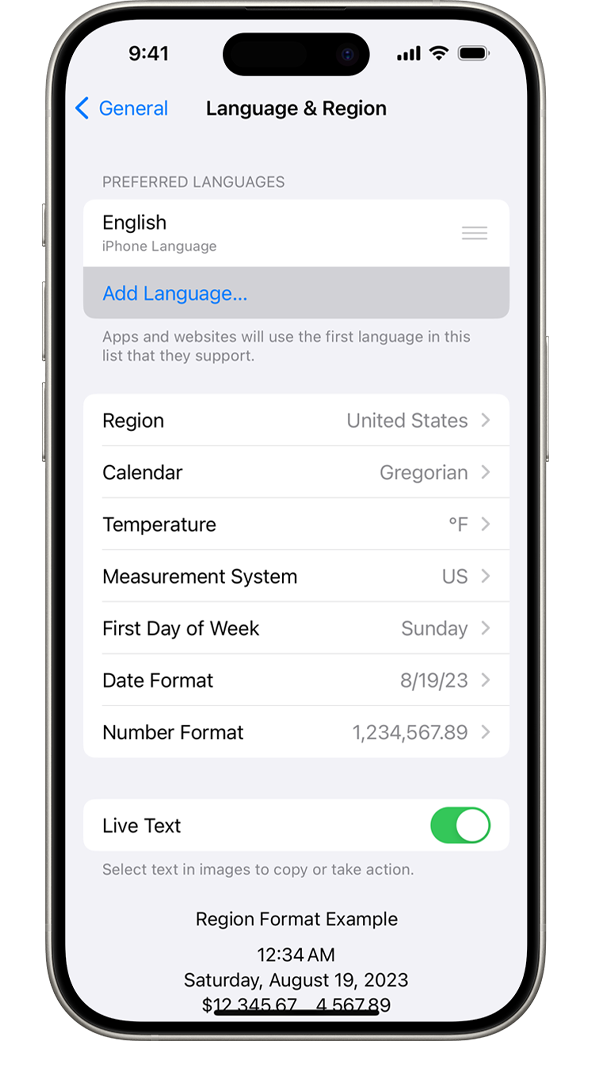
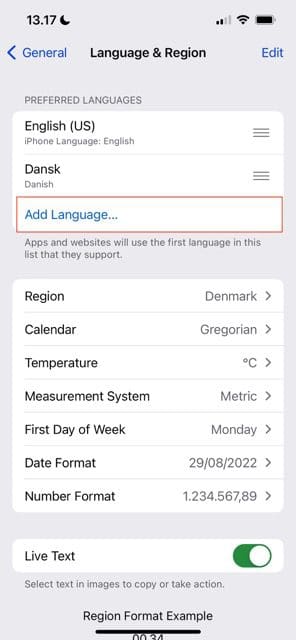
The language option lives in the Settings app, but its exact path can vary slightly between iOS versions. Generally, you’ll navigate to:
- Settings → General → Language & Region
If you’re running iOS 16 or later, the heading reads “Language & Region.” Earlier releases may label it simply “Language.” Either way, you’ll see a list of languages that the device currently supports.
Step‑by‑Step Walkthrough
Follow these numbered steps for a smooth transition:
- Open Settings. Tap the gray‑gear icon on your home screen.
- Tap General. It’s usually the third entry down.
- Select Language & Region. Look for the globe icon.
- Tap iPhone Language. This brings up the full language list.
- Choose your desired language. Scroll or use the search bar at the top.
- Confirm your choice. A pop‑up will ask if you want to change the language now.
- Wait for the restart. The iPhone briefly flashes a black screen while it reloads the interface.
After the brief pause, everything from system menus to native app text will appear in the language you selected. If you also want the keyboard to match, return to the same “Language & Region” screen and add a new keyboard under “Keyboards.”
Adjusting Region and Calendar Settings
Language and region are linked but not identical. While you’re in the “Language & Region” pane, consider tweaking the following:
- Region – Sets the default format for dates, times, currencies, and measurement units.
- Calendar – Switches between Gregorian, Buddhist, Islamic, or other calendars.
- Temperature Unit – Choose Celsius or Fahrenheit, useful when traveling.
These options ensure that the iPhone feels truly native to the locale you’re targeting.
Troubleshooting Common Issues
Most users never encounter problems, but here are a few hiccups you might run into:
Language Doesn’t Appear in the List
Apple periodically retires languages that lack sufficient support. If the language you need isn’t listed, check whether your iOS version is up to date. Updating to the latest iOS often adds new language packs.
App Text Stays in the Old Language
Third‑party apps sometimes cache language data. A quick force‑quit (swipe up from the app switcher) followed by a relaunch usually resolves the issue. If not, look for an in‑app language setting.
Keyboard Doesn’t Switch Automatically
The system only changes the default keyboard if you add one for the new language. Go to Settings → General → Keyboard → Keyboards → Add New Keyboard, then select the matching language.
Tips for Multilingual Users
If you frequently hop between languages, iOS offers a few shortcuts:
- Quick Language Switch – In “Language & Region,” enable “Preferred Language Order.” Then, tap the globe icon on the lock screen to toggle between your top two languages.
- Speak Selection – Turn on “Speak Selection” under Settings → Accessibility → Spoken Content. It reads highlighted text in the active language, handy for language learners.
- Smart Pinyin and Handwriting – For Chinese users, adding both Pinyin and Handwriting keyboards lets you type with whichever method feels fastest.
What Happens to Your Data?
Changing the system language does not erase your apps, photos, or contacts. All personal data remains untouched; only the UI text is refreshed. However, some apps may prompt you to re‑enter login credentials if they rely on language‑specific keychains.
When to Reset Your iPhone
In rare cases—like after a failed language change that leaves the UI garbled—a full reset might be necessary. Before you wipe anything, back up to iCloud or a computer. Then go to Settings → General → Transfer or Reset iPhone → Erase All Content and Settings. After the fresh start, repeat the steps above.
Quick Recap
1️⃣ Open Settings → General → Language & Region.
2️⃣ Tap iPhone Language and select a new language.
3️⃣ Confirm, wait for the restart, and adjust keyboards or region as needed.
Frequently Asked Questions
Can I set a different language for individual apps?
Yes. iOS 13 and later let you change an app’s language separately. Go to Settings → [App Name] → Language, then pick your preference.
Will changing the language affect Siri’s voice?
When you switch the system language, Siri automatically adopts the matching voice and accent, provided that voice is available for your region.
Do I need an internet connection to change the language?
No. All language packs are stored locally, so the switch works offline. An internet connection is only required for downloading new language files on older iOS versions.
How can I revert to the original language quickly?
If you kept the original language as your second option in “Preferred Language Order,” you can tap the globe icon on the lock screen to flip back, or repeat the steps and select the original language again.