How to Choose the Best Exhaust Upgrade for a 2007 Subaru Impreza WRX
If you’ve been cruising in a 2007 Subaru Impreza WRX and the stock exhaust sounds more “meh” than “menacing,” you’re not alone. Enthusiasts often turn to an exhaust upgrade to sharpen the car’s tone, trim a few pounds of weight, and coax a modest power bump. This guide walks you through the most common options, what to expect in performance, and how to install the system without turning your garage into a workshop nightmare.
Why Consider an Exhaust Upgrade?
Beyond the obvious auditory appeal, a well‑chosen exhaust can improve flow, reduce backpressure, and free up a bit of horsepower that the factory system throttles. In the WRX’s turbocharged engine, even a 5‑10 hp gain can translate to a more responsive throttle and a smoother spool. Additionally, many aftermarket systems shed a few pounds compared to the OEM cast‑iron components, which can slightly enhance handling dynamics.
Understanding the Main Types
Most upgrades fall into three broad categories. Knowing the difference helps you avoid spending money on a part that doesn’t meet your goals.
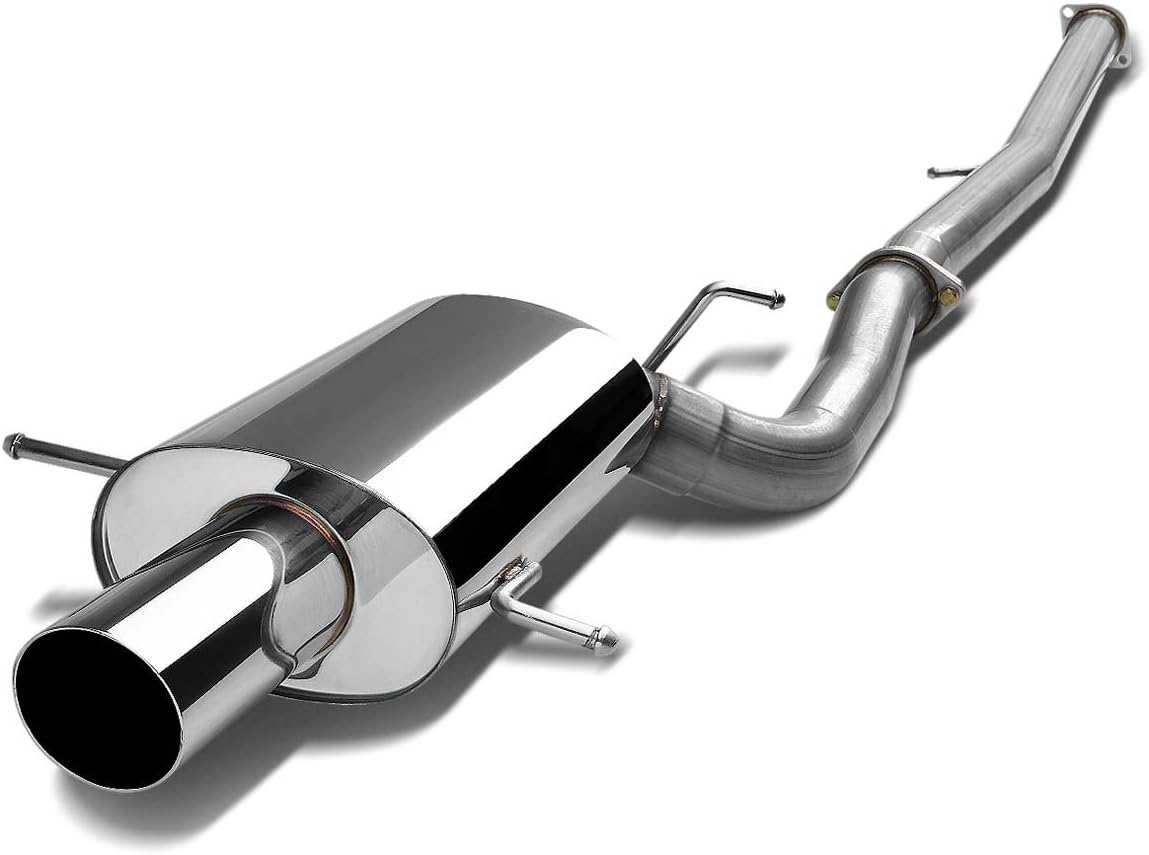
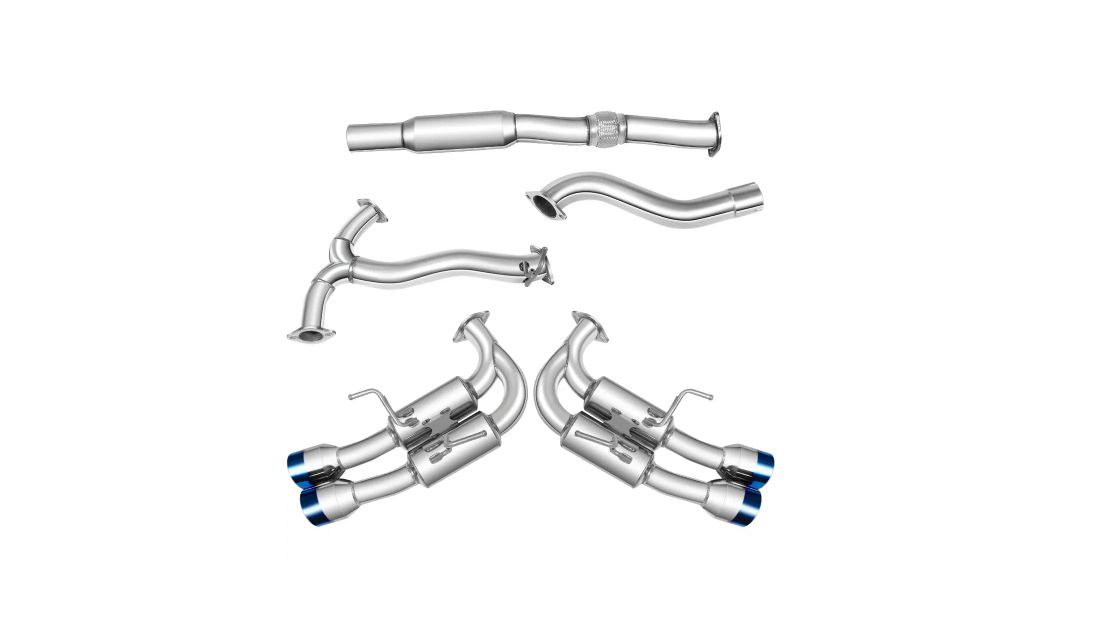
- Cat‑back systems: Replace everything from the catalytic converter to the tailpipe. They preserve emissions compliance (in most regions) while offering a noticeable sound change.
- Downpipe swaps: Remove the factory downpipe and install a larger‑bore version, often with a high‑flow catalytic converter or a “cat‑less” option for track‑only use.
- Muffler‑only kits: The cheapest entry point, swapping just the muffler for a louder, freer‑flowing design.
Materials Matter
Stainless steel is the industry standard for durability and corrosion resistance. Some premium brands offer titanium or inconel sections, which shave a few more pounds and resist heat better, but they come with a hefty price tag. For a daily driver, 304 or 409 stainless steel provides a solid balance of strength and cost.
Sound Profile: From Subtle to Aggressive
Sound is subjective, but most WRX owners fall into three camps:
- Quiet street‑legal: Small‑bore mufflers with resonators keep the note polite enough for city driving.
- Mid‑range growl: A 2.5‑inch cat‑back with a dual‑wall muffler adds a throaty rumble without screaming.
- Track‑ready roar: Large‑diameter pipes, straight‑through mufflers, and a cat‑less downpipe produce a soundtrack that turns heads at the strip.
Try listening to YouTube demos of each configuration before you buy; the audible difference can be surprising.
Performance Gains: What’s Realistic?
Expect modest numbers. A quality cat‑back typically yields 2‑5 hp, while a high‑flow downpipe can add 5‑10 hp and a slight torque increase, especially at higher RPMs. The gains are most noticeable during quick throttle lifts, where reduced exhaust restriction lets the turbo spin up faster. Remember, the WRX’s ECU may need a tune to fully exploit a freer‑flowing system, especially if you go cat‑less.
Installation Basics
Most WRX owners can tackle a cat‑back swap with basic hand tools. Here’s a quick rundown:
- Warm the engine briefly to loosen bolts, then let it cool.
- Remove the stock exhaust from the mid‑pipe back, keeping the O‑rings intact for the new fit.
- Slide the new sections into place, align the clamps, and torque the hardware to manufacturer specs (usually 30‑40 Nm).
- Check for leaks by revving the engine and listening for hissing; a quick spray of soapy water can reveal hidden spots.
If you’re swapping the downpipe, you’ll need to disconnect the turbo’s wastegate pipe and possibly the O₂ sensor. Many enthusiasts pair this step with a simple ECU flash or a piggy‑back controller to avoid a check‑engine light.
Cost Considerations
Budget will dictate how far you go. Expect these price ranges:
- Muffler‑only kits: $150‑$300.
- Cat‑back systems: $300‑$800, depending on brand and material.
- Downpipe (high‑flow cat): $250‑$500.
- Full cat‑less track setup: $500‑$1,200 plus a tune.
Don’t forget labor if you’re not DIY‑inclined; a professional install can add $100‑$250.
Maintenance Tips
After the upgrade, keep an eye on the joints. Stainless steel expands and contracts with heat, so periodic retightening after the first 500 miles helps prevent rattles. Also, watch the catalytic converter temperature if you’ve installed a high‑flow unit; excessive heat can shorten its lifespan.
Frequently Asked Questions
Will an exhaust upgrade affect my emissions test?
In most states, a cat‑back swap remains legal because the factory catalytic converter stays in place. A cat‑less downpipe, however, typically fails a standard emissions inspection and should be used only on the track or in regions where “off‑road” vehicles are exempt.
Do I need to tune the ECU after installing a downpipe?
While the car will run fine on stock maps, a tune unlocks the full potential of the reduced backpressure. A modest ECU flash can add 3‑5 hp and improve throttle response without compromising reliability.
Is a larger exhaust louder at low RPMs?
Not necessarily. Sound level depends more on muffler design than pipe diameter. A well‑engineered muffler can stay relatively quiet at idle and roar when you open the throttle.
Can I mix and match components from different brands?
Generally, yes, as long as the pipe diameters and flange patterns match. Many owners pair a stainless steel cat‑back from one maker with a titanium downpipe from another for a custom blend of performance and weight savings.